
Square End Mill
Total found: 203
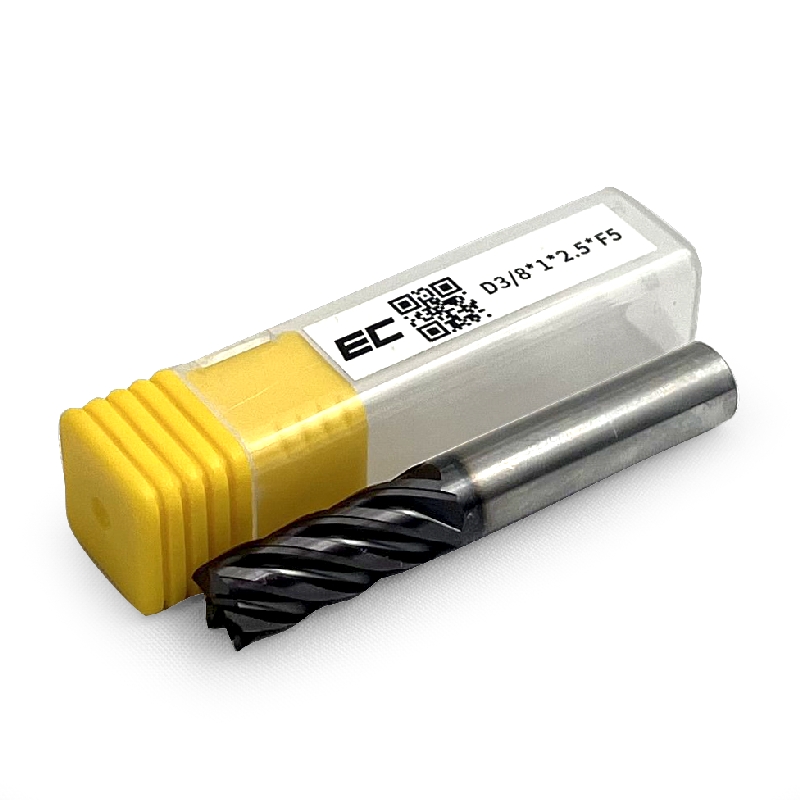

3/8 Carbide end mill, 5 flute, TiAlN, 0.375 shank x 1.0 LOC, helix angle 38
A01-5095Out of stock
CA$35.62
excl. taxes
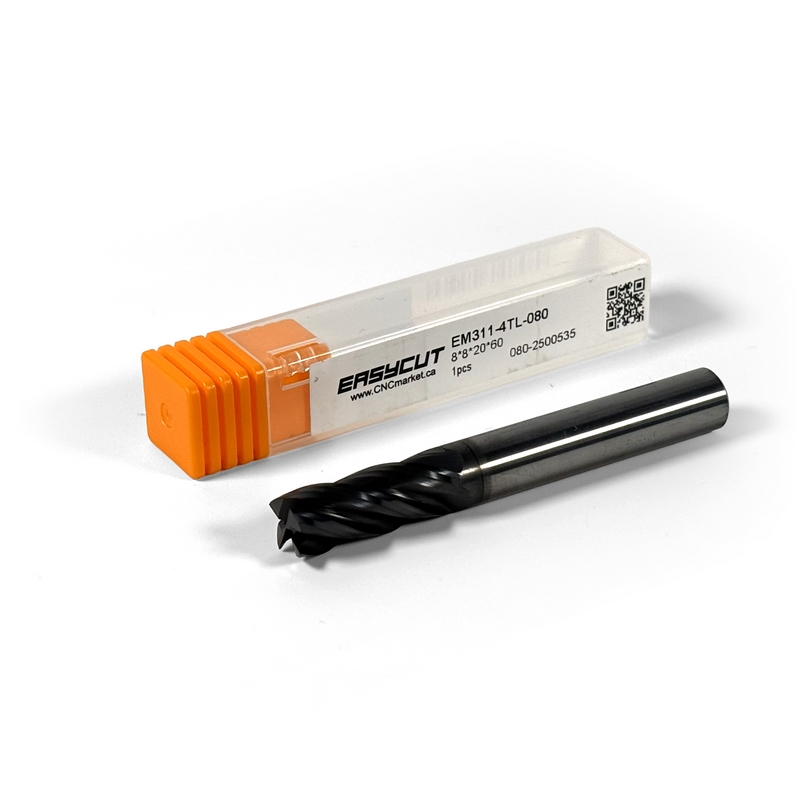

8 mm Carbide End Mill, 4 Flutes, Flat, Standard length, For P, M, K materials, AlCrN coated, LOC 20 mm
80147221Made to order
CA$40.24
excl. taxes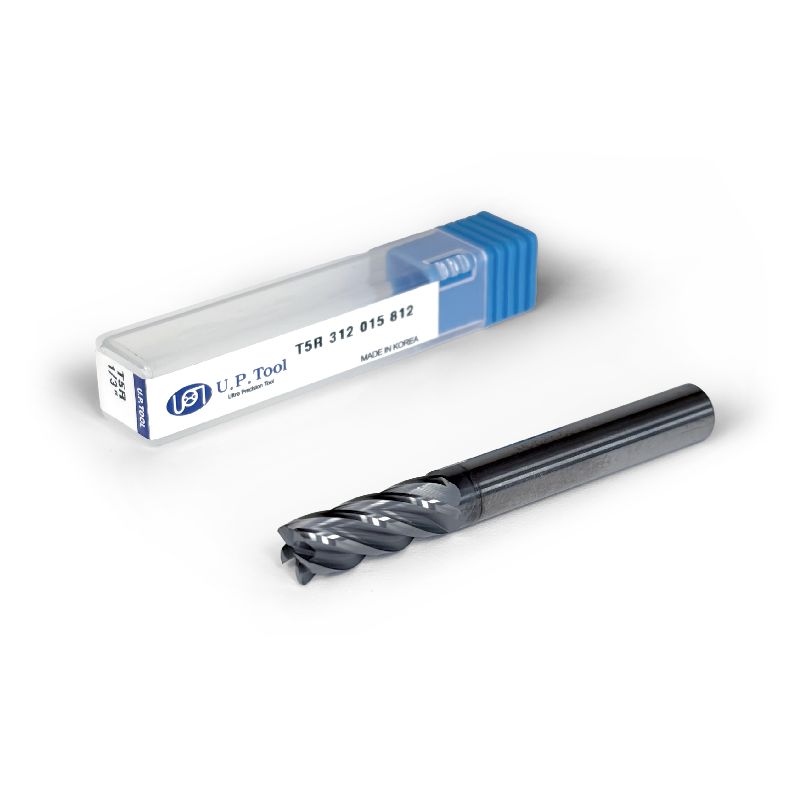

5/16" Carbide End Mill, 5 flutes, Bull Nose - R0.015", 0.8125" LOC, AlCrN Coated
T5R-312-015-812Made to order
CA$40.41
excl. taxes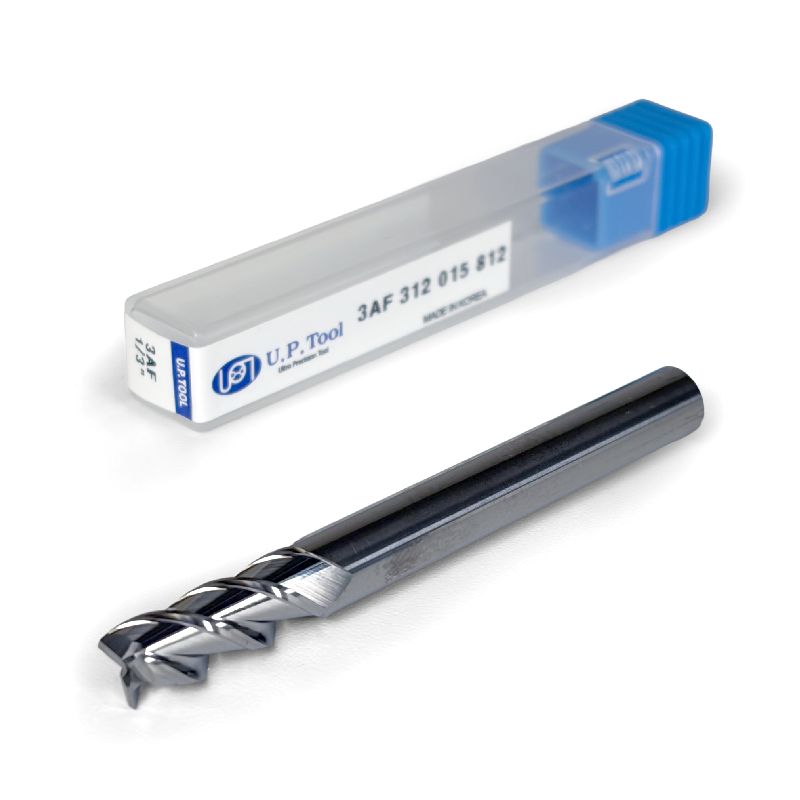

5/16" Carbide End Mill, 3 flutes, Bull Nose - R0.015", 0.8125" LOC, Uncoated
3AF-312-015-812Made to order
CA$42.52
excl. taxes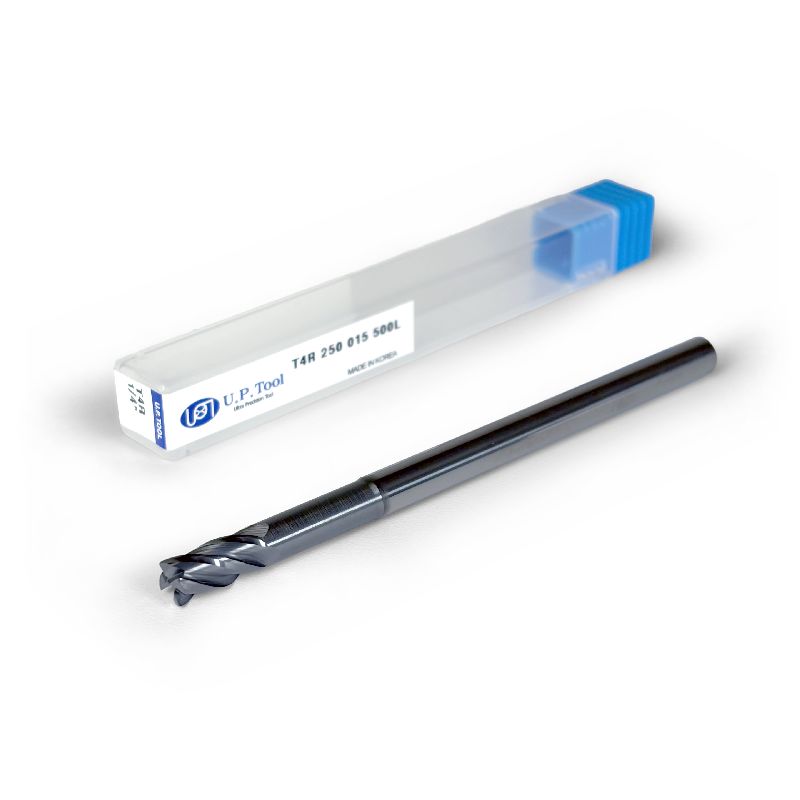

1/4" Carbide End Mill, 4 flutes, Bull Nose - R0.015", 0.5" LOC, AlCrN Coated, Extended Neck
T4R-250-015-500LMade to order
CA$46.83
excl. taxes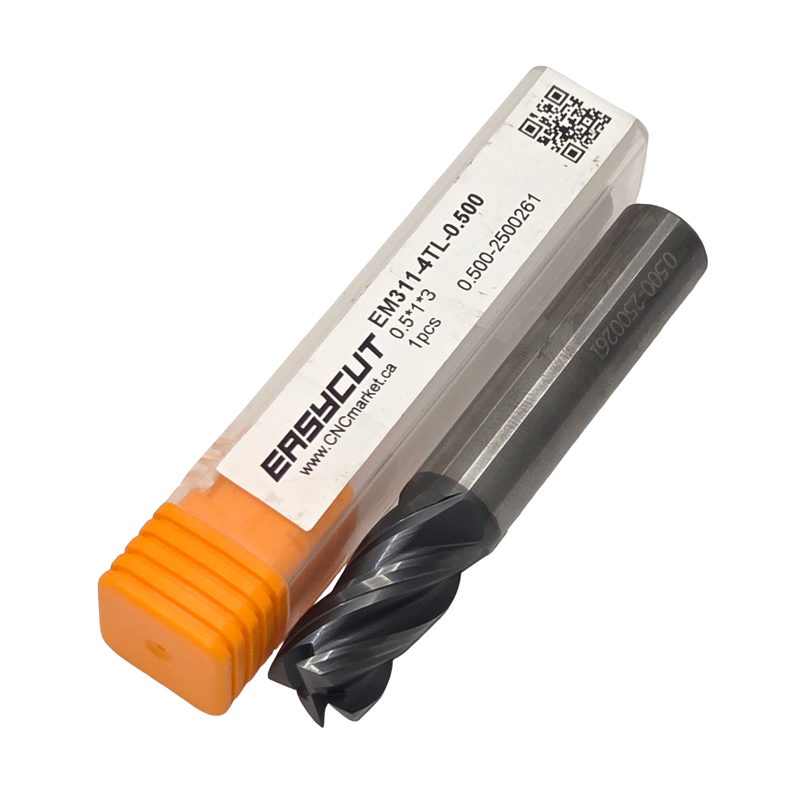

1/2" Carbide Square End Mill, 4 flutes, 1.0" LOC, AlCrN Coated
80137780Out of stock
CA$47.00
excl. taxes
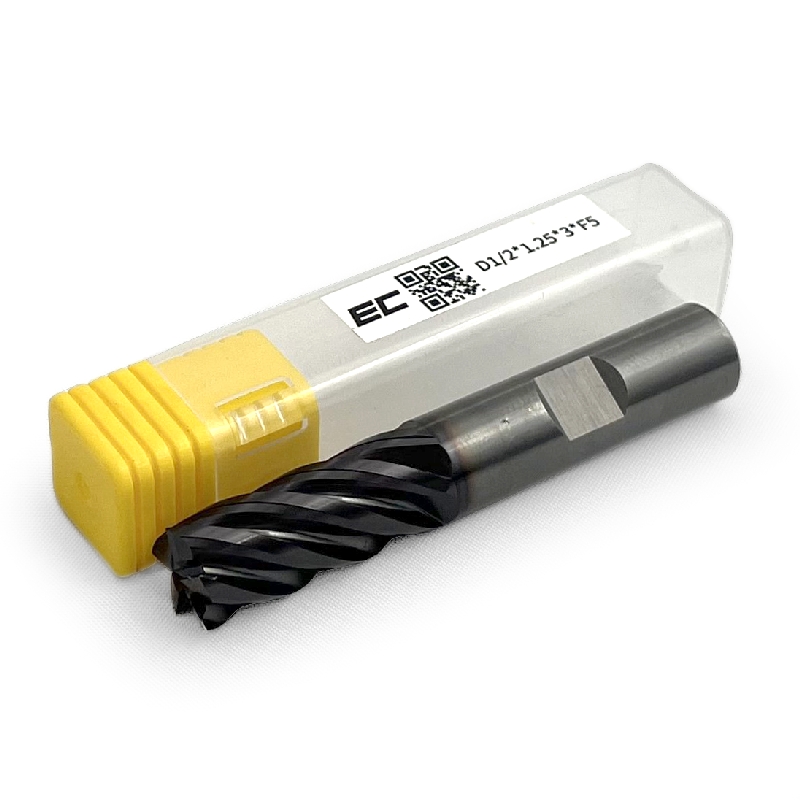

1/2 Carbide end mill, 5 flute, TiAlN, 0.5 shank x 1.25 LOC, helix angle 38, Weldon
A01-5127Out of stock
CA$54.14
excl. taxes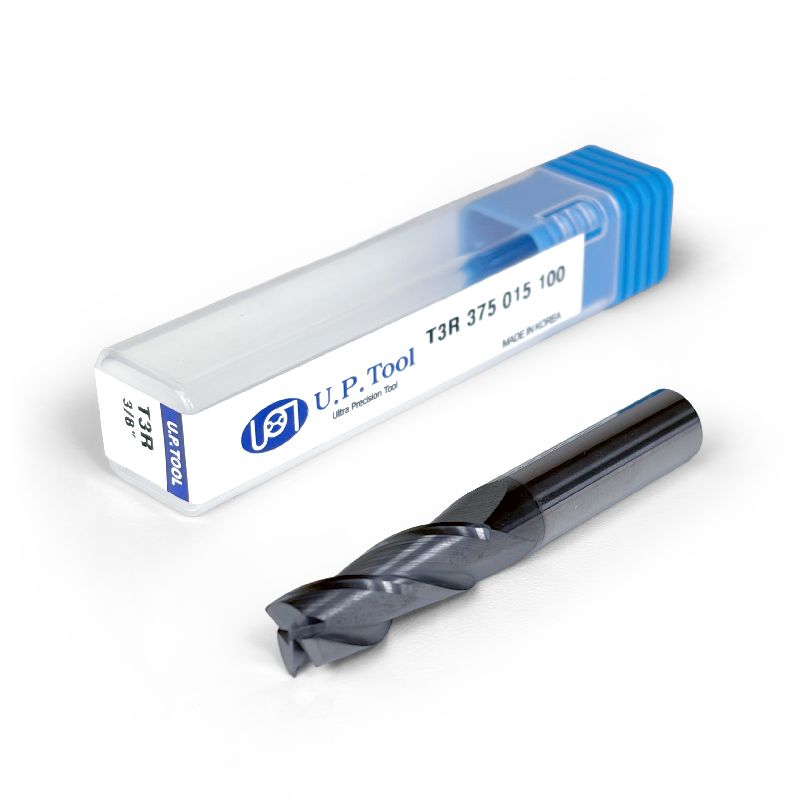

3/8" Carbide End Mill, 3 flutes, Bull Nose - R0.015", 1.0" LOC, AlCrN Coated
T3R-375-015-100Made to order
CA$55.78
excl. taxes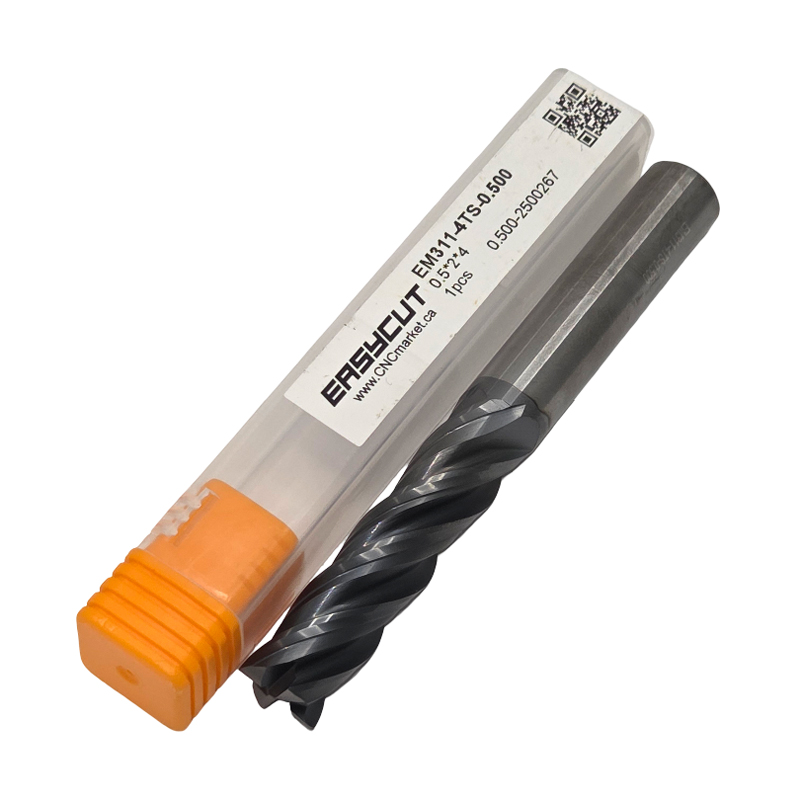

1/2" Carbide Square End Mill, 4 flutes, 2.0" LOC, AlCrN Coated
80137785Out of stock
CA$59.06
excl. taxes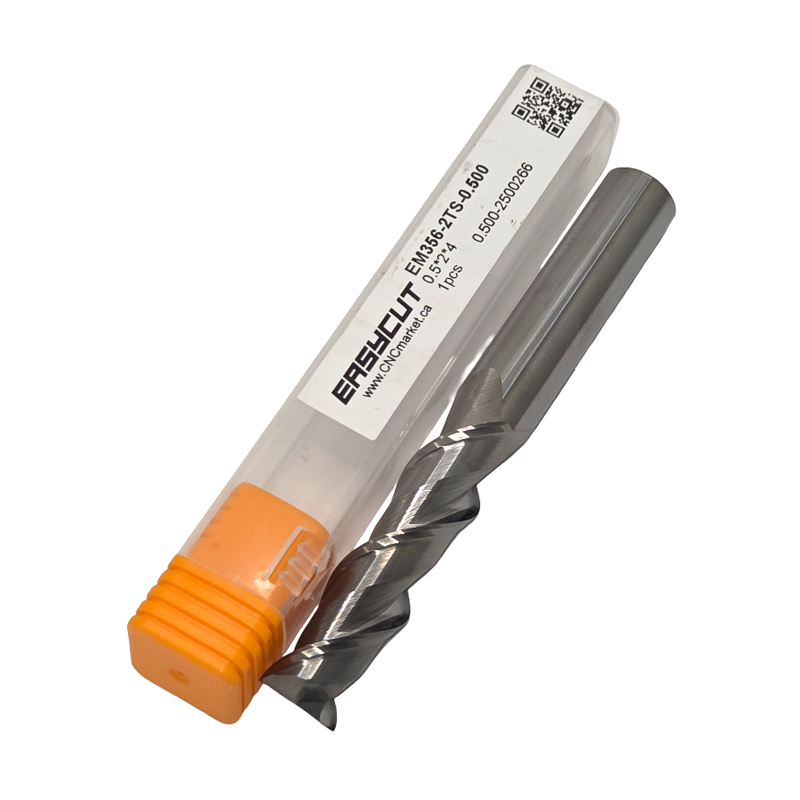

1/2 Carbide End Mill, 2 Flutes, Flat, Long, For N materials, Uncoated, LOC 2.000
80137800Made to order
CA$59.06
excl. taxes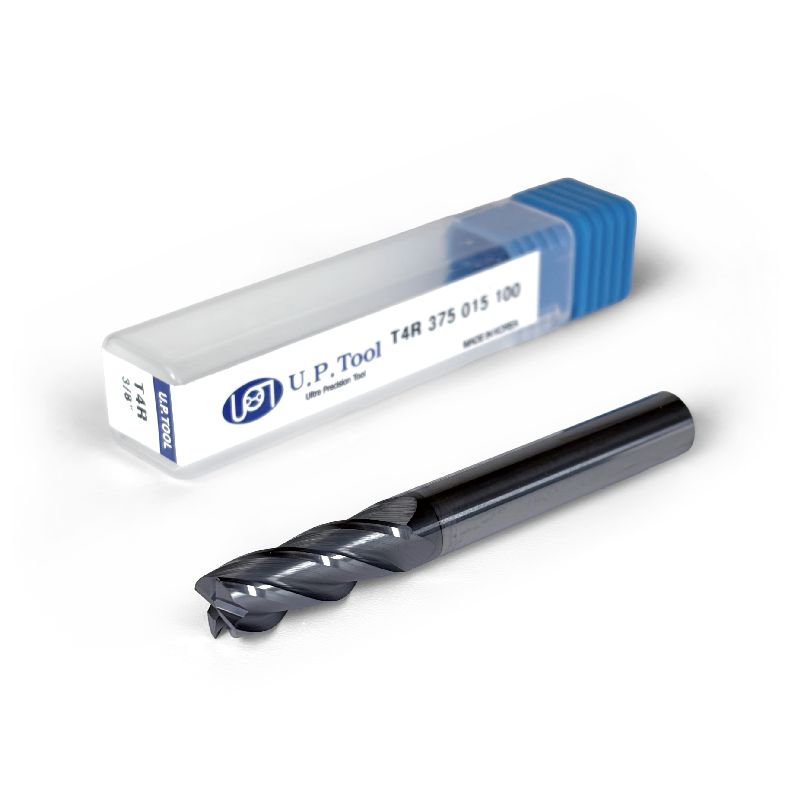

3/8" Carbide End Mill, 4 flutes, Bull Nose - R0.015", 1.0" LOC, AlCrN Coated
T4R-375-015-100Made to order
CA$64.23
excl. taxes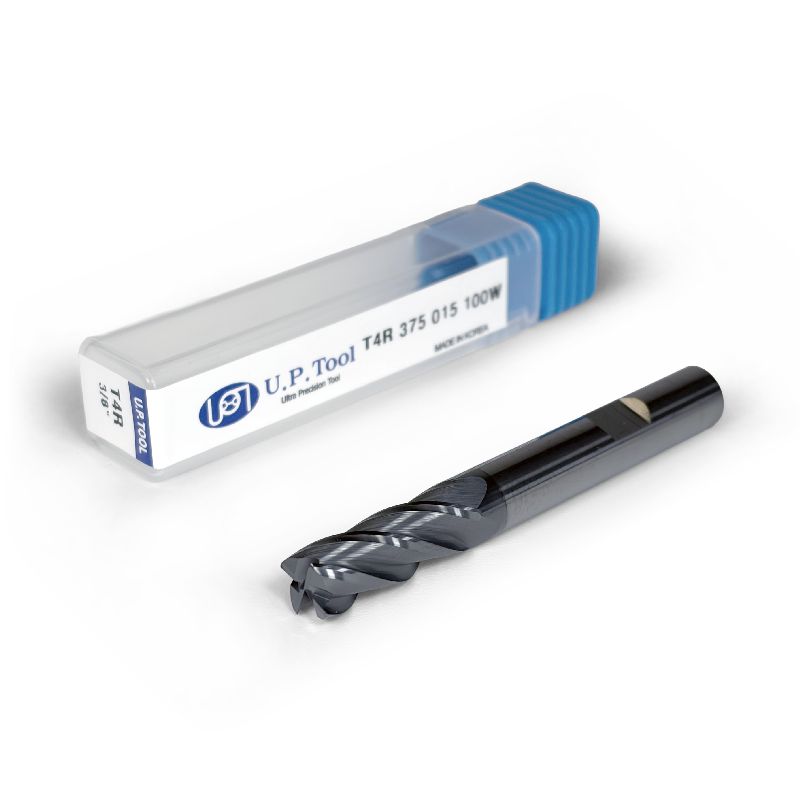

3/8" Carbide End Mill, 4 flutes, Bull Nose - R0.015", 1.0" LOC, AlCrN Coated, Weldon Shank
T4R-375-015-100WMade to order
CA$67.11
excl. taxes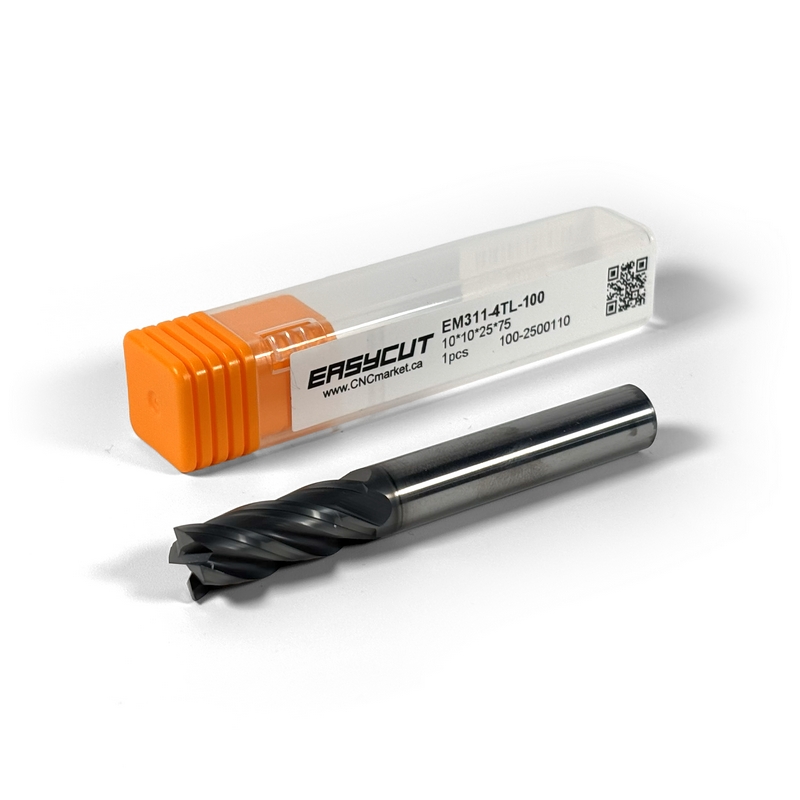

10 mm Carbide End Mill, 4 Flutes, Flat, Standard length, For P, M, K materials, AlCrN coated, LOC 25 mm
80147219Made to order
CA$71.76
excl. taxes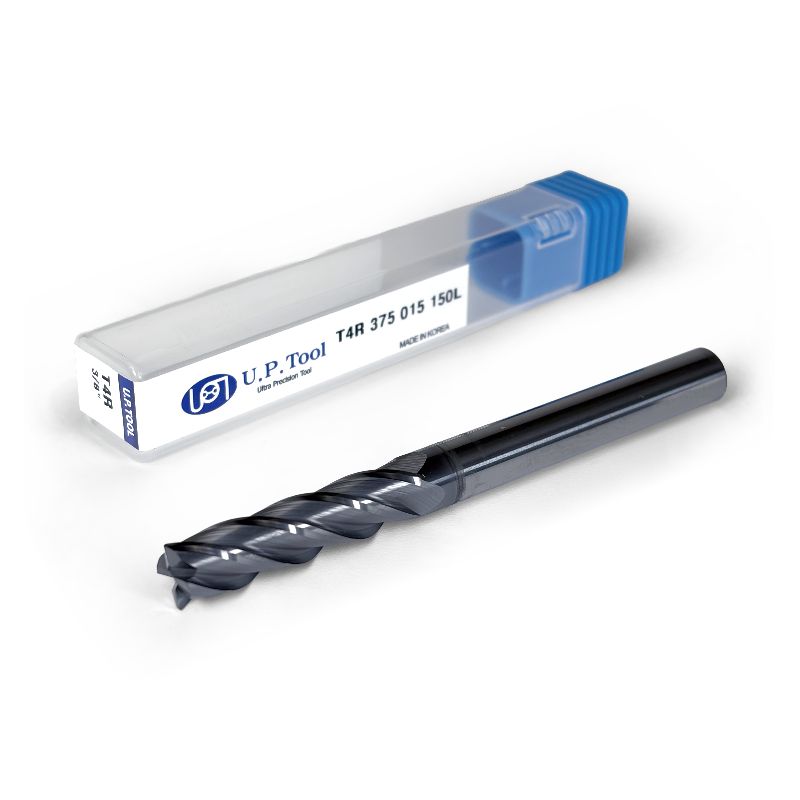

3/8" Carbide End Mill, 4 flutes, Bull Nose - R0.015", 1.5" LOC, AlCrN Coated, Extended Neck
T4R-375-015-150LMade to order
CA$80.43
excl. taxes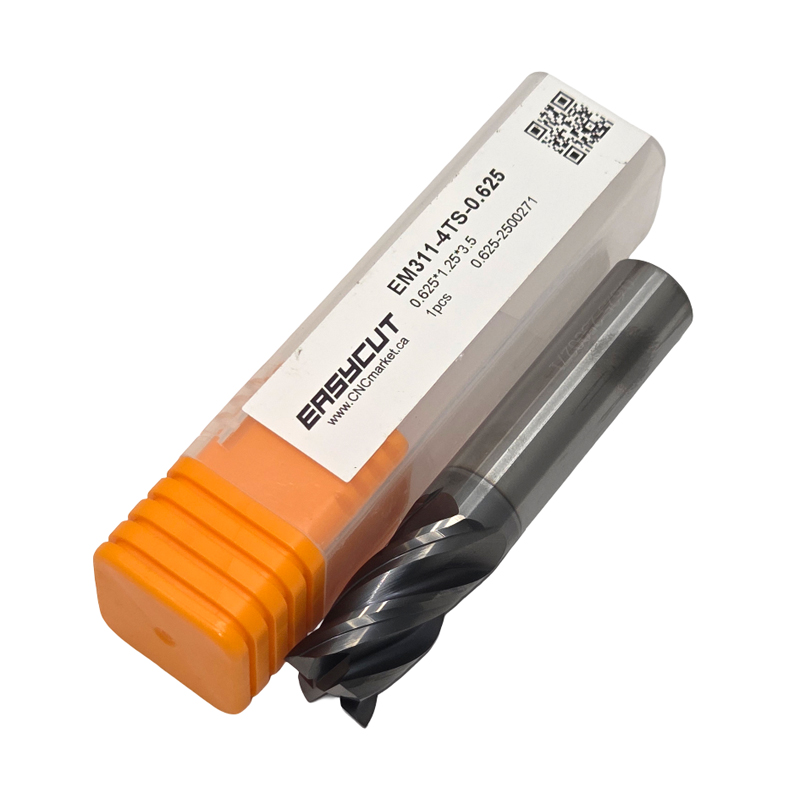

5/8" Carbide Square End Mill, 4 flutes, 1.25" LOC, AlCrN Coated
80137787Out of stock
CA$84.55
excl. taxes
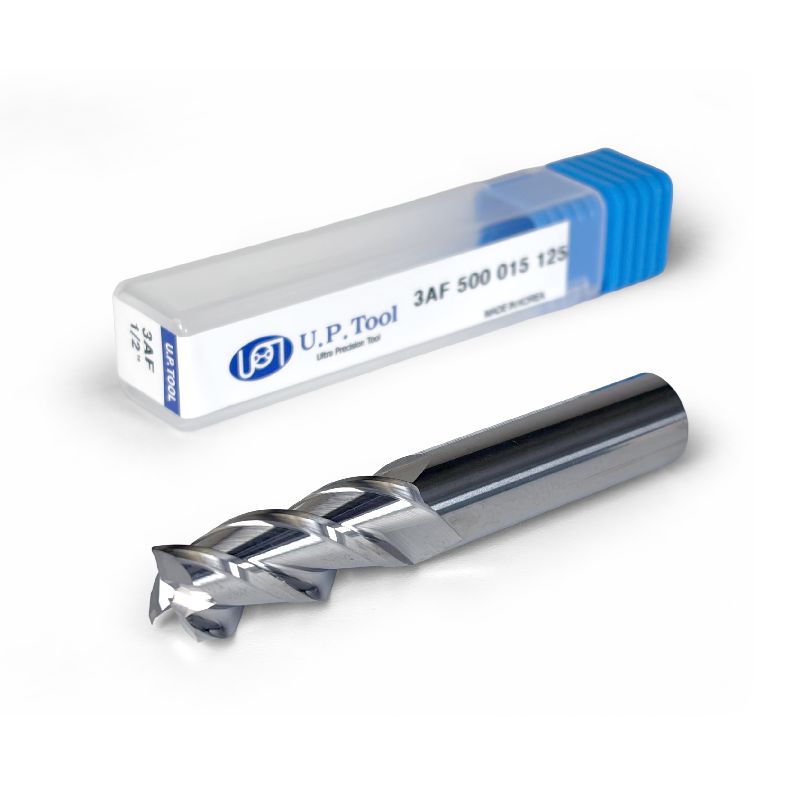

1/2" Carbide End Mill, 3 flutes, Bull Nose - R0.015", 1.25" LOC, Uncoated
3AF-500-015-125Made to order
CA$96.02
excl. taxes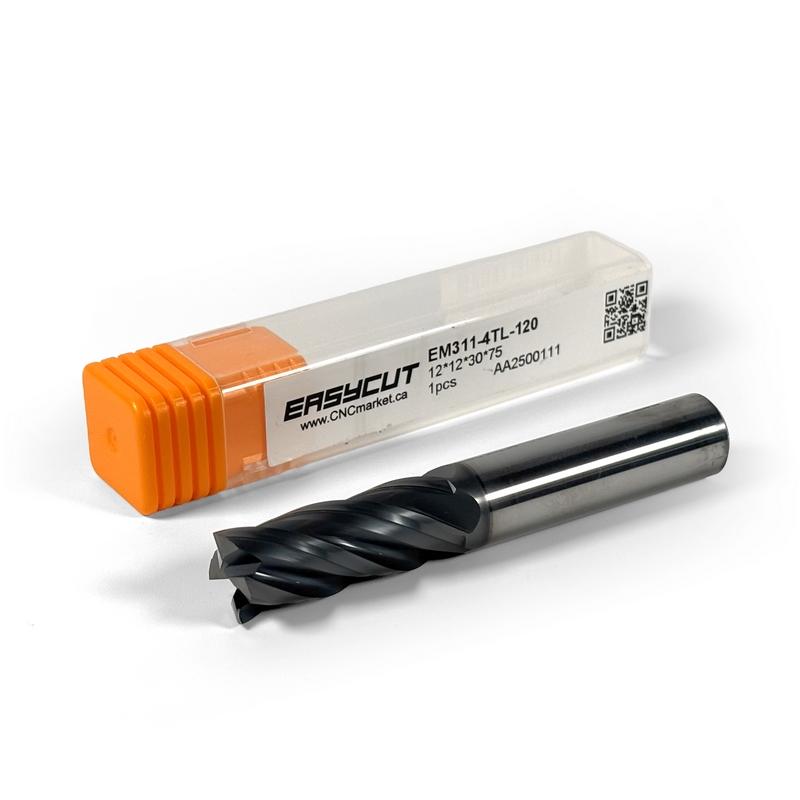

12 mm Carbide End Mill, 4 Flutes, Flat, Standard length, For P, M, K materials, AlCrN coated, LOC 30 mm
80147222Made to order
CA$100.39
excl. taxes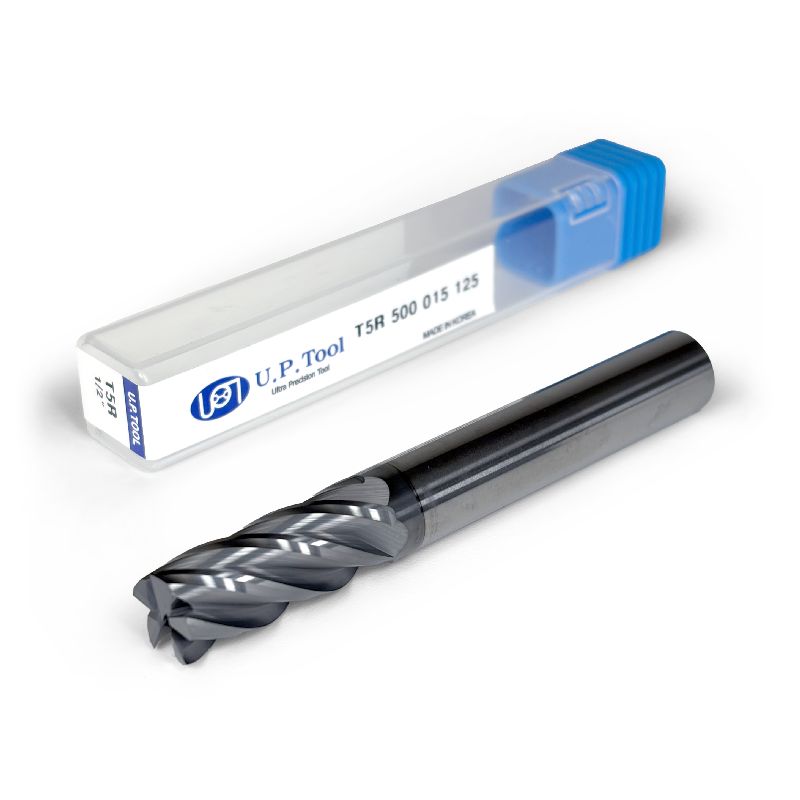

1/2" Carbide End Mill, 5 flutes, Bull Nose - R0.015", 1.25" LOC, AlCrN Coated
T5R-500-015-125Made to order
CA$123.03
excl. taxes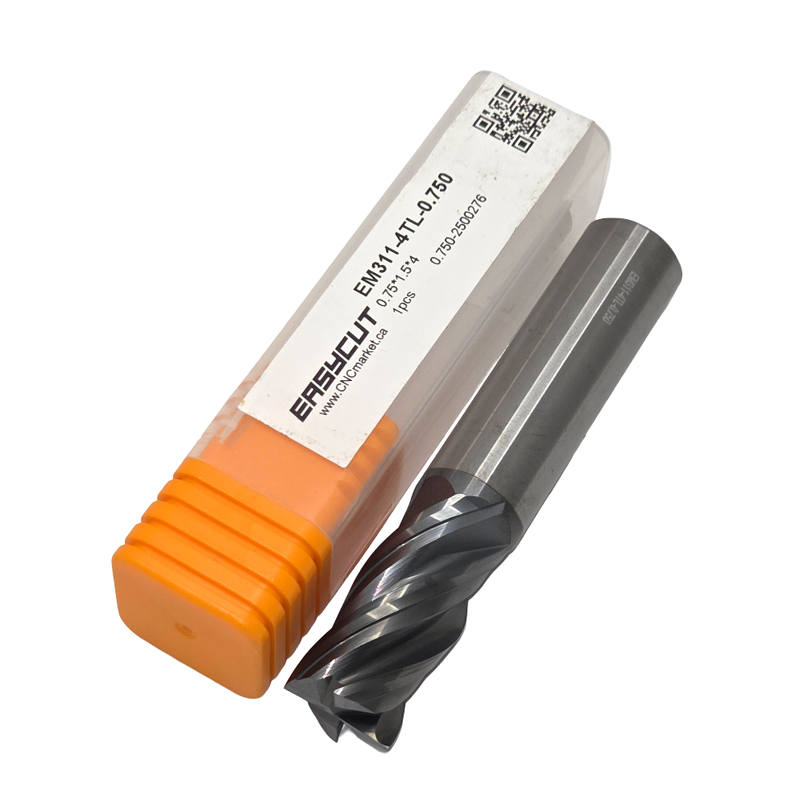

3/4" Carbide Square End Mill, 4 flutes, 1.5" LOC, AlCrN Coated
80137781Out of stock
CA$125.78
excl. taxes
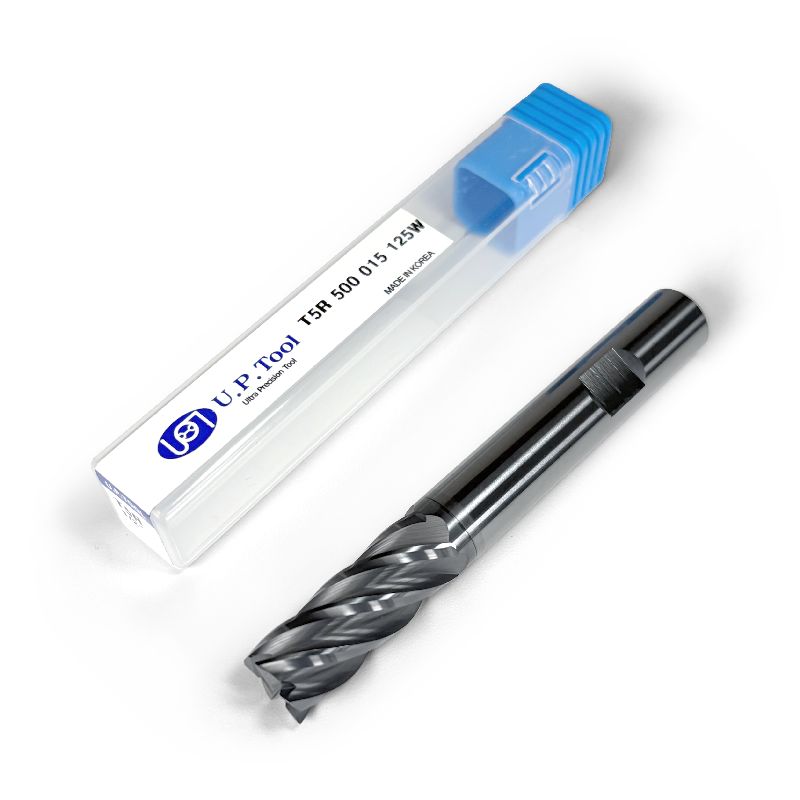

1/2" Carbide End Mill, 5 flutes, Bull Nose - R0.015", 1.25" LOC, AlCrN Coated, Weldon Shank
T5R-500-015-125WMade to order
CA$126.62
excl. taxes