Ball Nose End Mill
Total found: 65
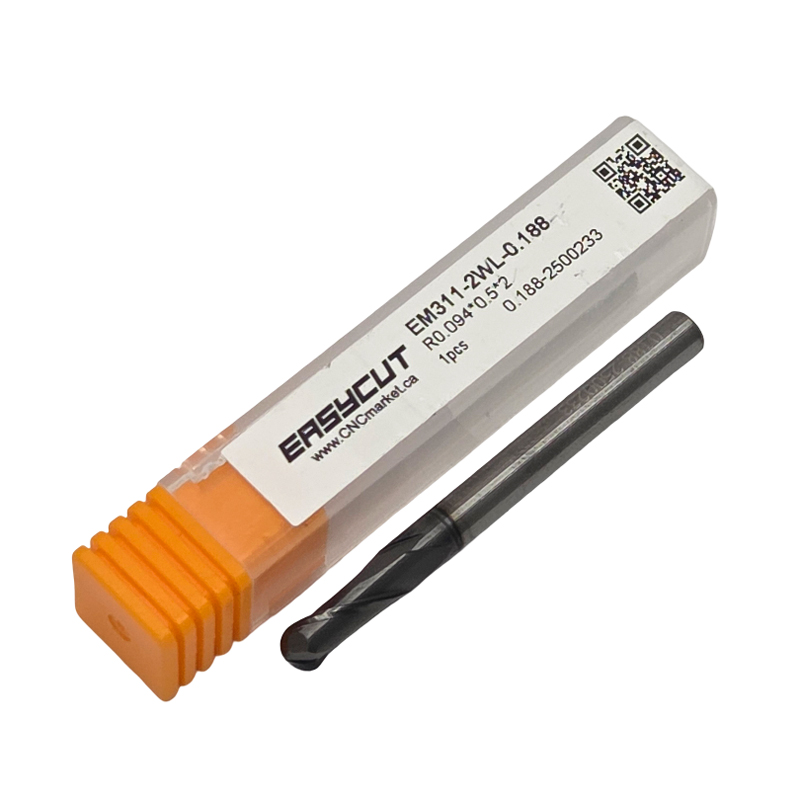

3/16" Carbide Ball Nose End Mill, 2 flutes, 0.5" LOC, AlCrN Coated
80137742Out of stock
CA$10.60
excl. taxes

1 mm Carbide End Mill, 2 Flutes, Ball Nose, Standard length, For P, M, K materials, AlCrN coated, LOC 2 mm
80151789Made to order
CA$12.01
excl. taxes

2 mm Carbide End Mill, 2 Flutes, Ball Nose, Standard length, For P, M, K materials, AlCrN coated, LOC 4 mm
80151790Made to order
CA$12.01
excl. taxes

3 mm Carbide End Mill, 2 Flutes, Ball Nose, Standard length, For P, M, K materials, AlCrN coated, LOC 6 mm
80151791Made to order
CA$12.01
excl. taxes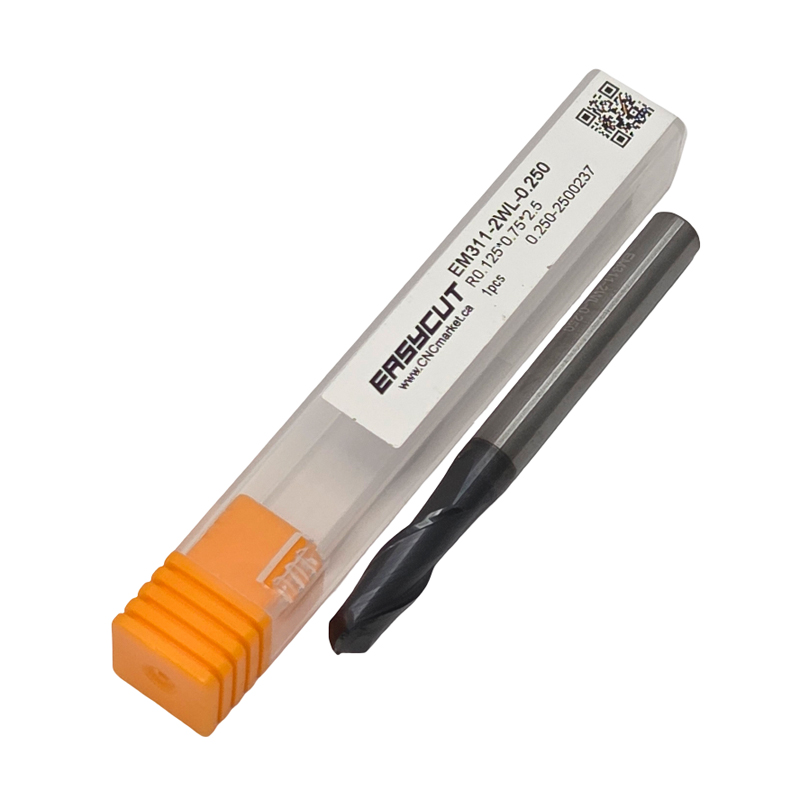

1/4" Carbide Ball Nose End Mill, 2 flutes, 0.75" LOC, AlCrN Coated
80137743Out of stock
CA$16.28
excl. taxes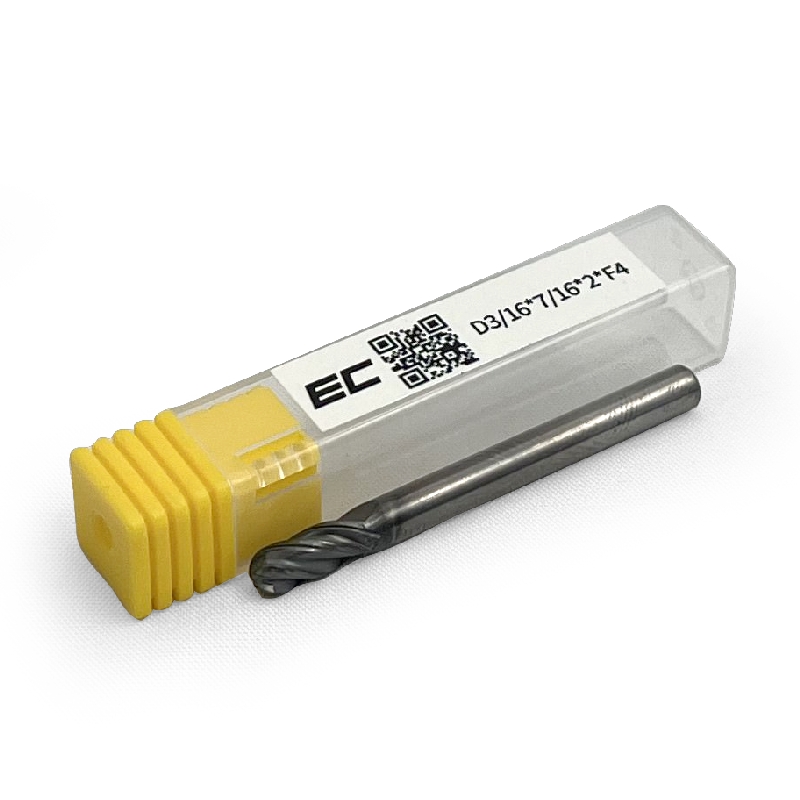

3/16 Carbide Ball End Mill, 4 flute, Hybrid AlCrN Coated, 0.1875 shank x 0.4375 LOC, Helix angle 35/37
A06-2047Out of stock
CA$17.87
excl. taxes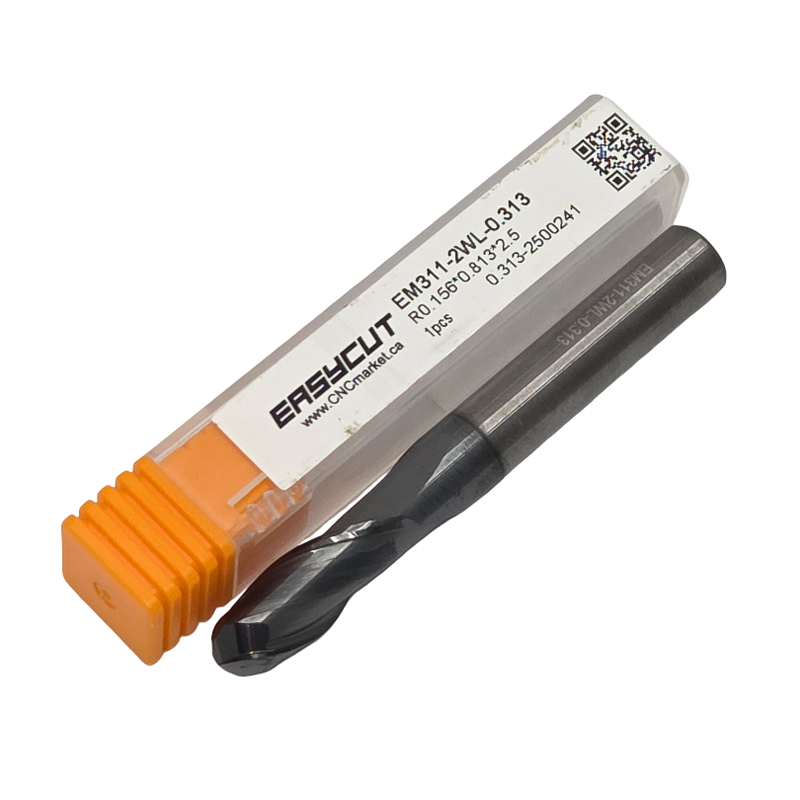

5/16" Carbide Ball Nose End Mill, 2 flutes, 0.813" LOC, AlCrN Coated
80137744Out of stock
CA$20.83
excl. taxes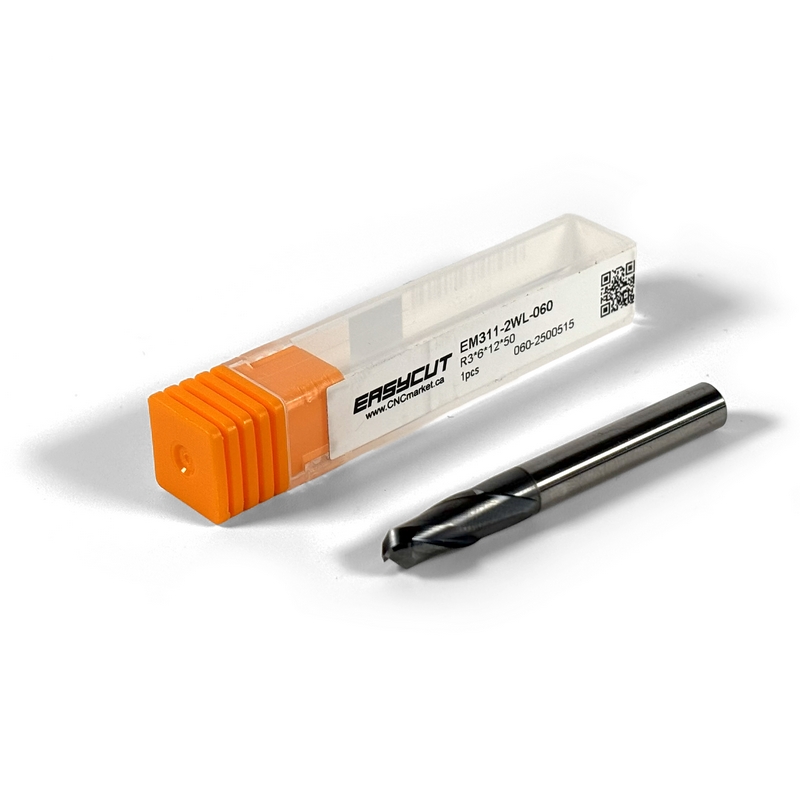

6 mm Carbide End Mill, 2 Flutes, Ball Nose, Standard length, For P, M, K materials, AlCrN coated, LOC 12 mm
80147227Made to order
CA$21.94
excl. taxes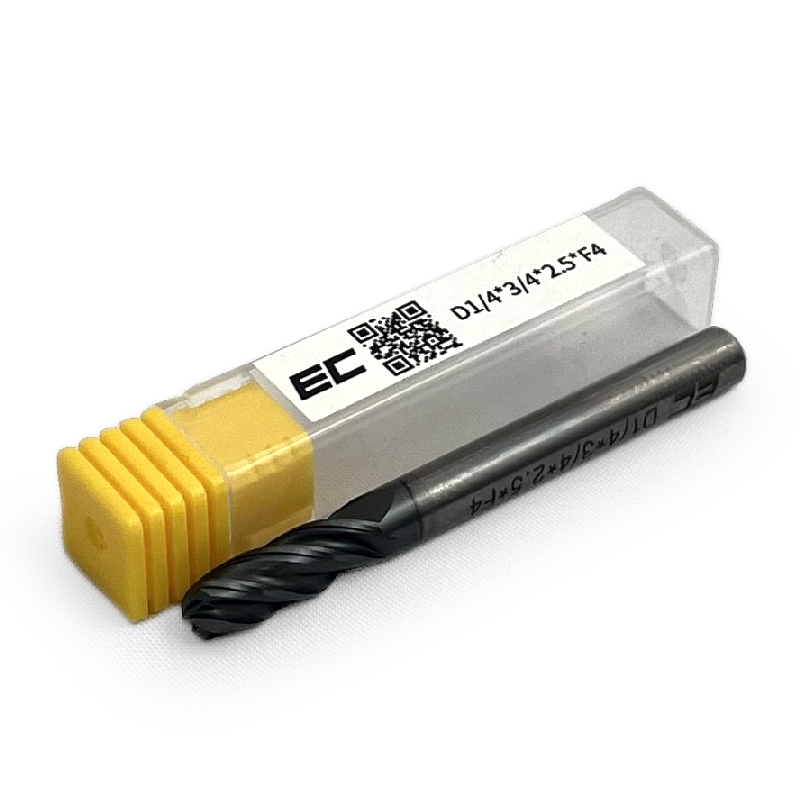

1/4 Carbide Ball End Mill, 4 flute, Hybrid AlCrN Coated, 0.25 shank x 0.75 LOC, helix angle 35/37
A06-2063Out of stock
CA$23.44
excl. taxes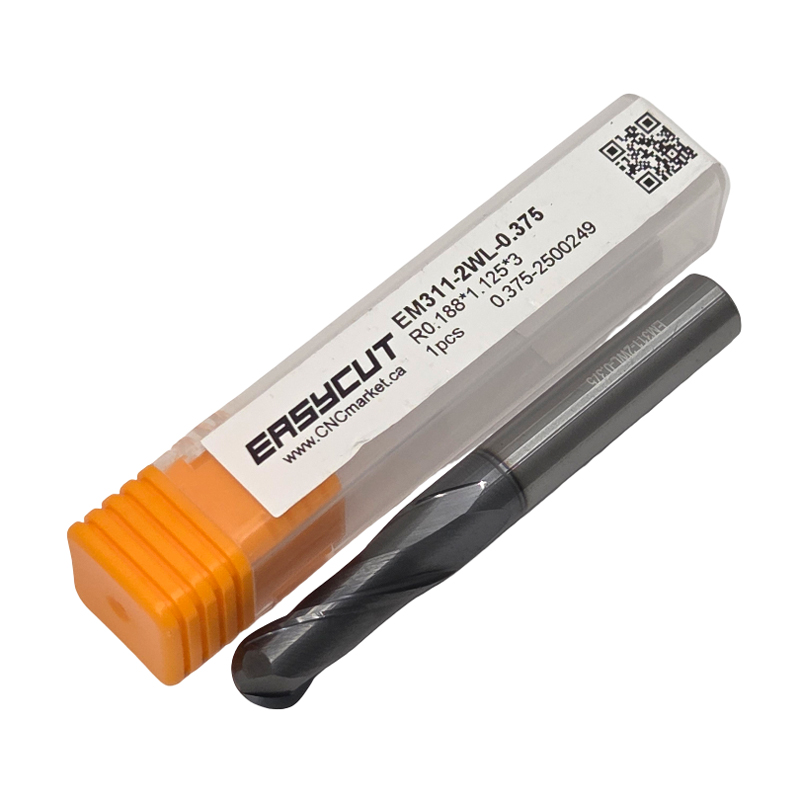

3/8" Carbide Ball Nose End Mill, 2 flutes, 1.125" LOC, AlCrN Coated
80137745Out of stock
CA$32.54
excl. taxes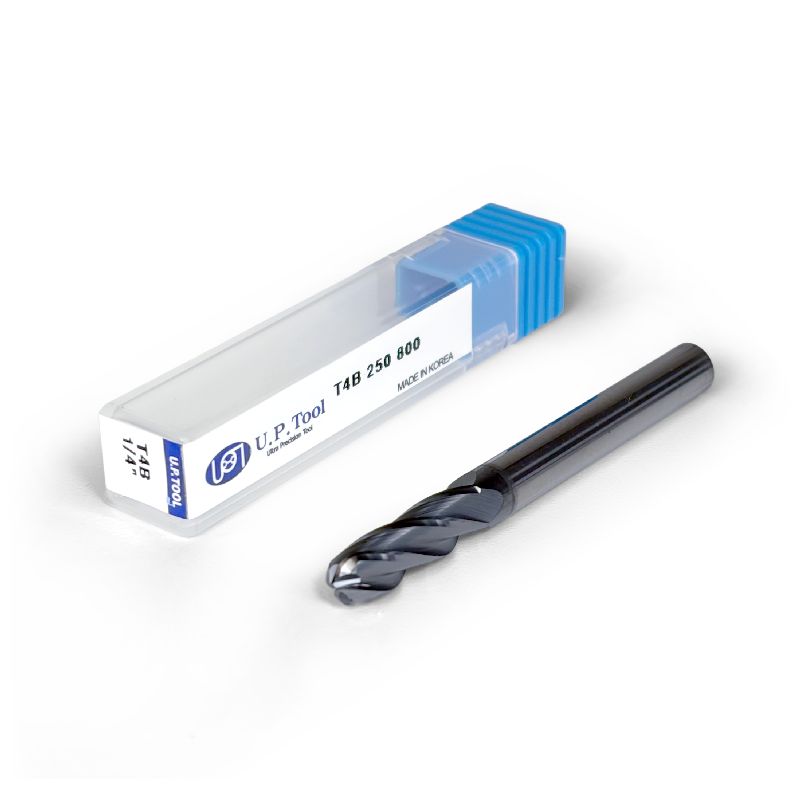

1/4" Carbide Ball Nose End Mill, 4 flutes, 0.8" LOC, AlCrN Coated
T4B-250-800Made to order
CA$32.70
excl. taxes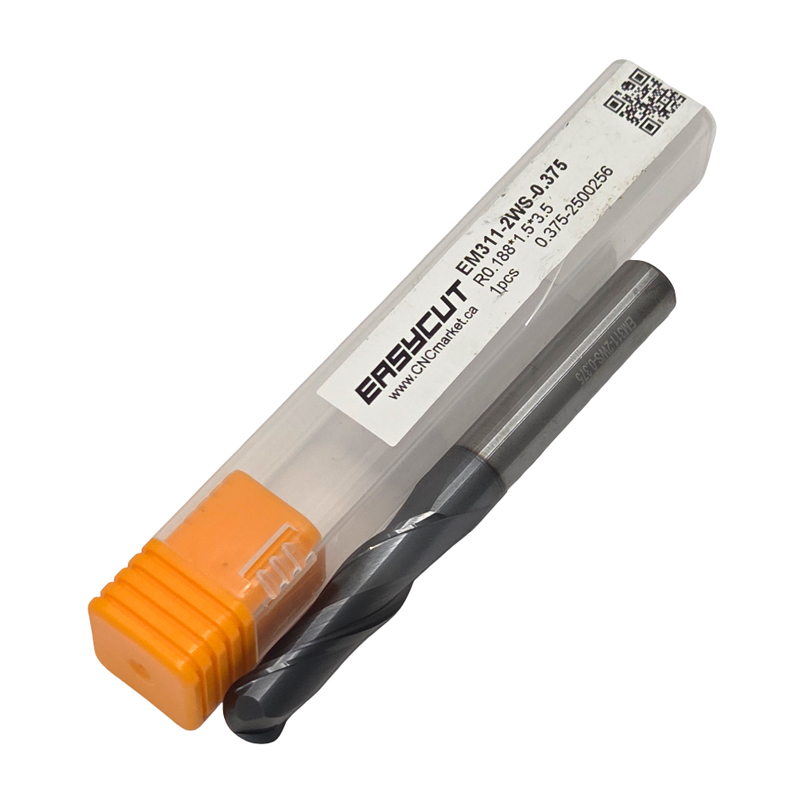

3/8" Carbide Ball Nose End Mill, 2 flutes, 1.5" LOC, AlCrN Coated
80137751Out of stock
CA$36.12
excl. taxes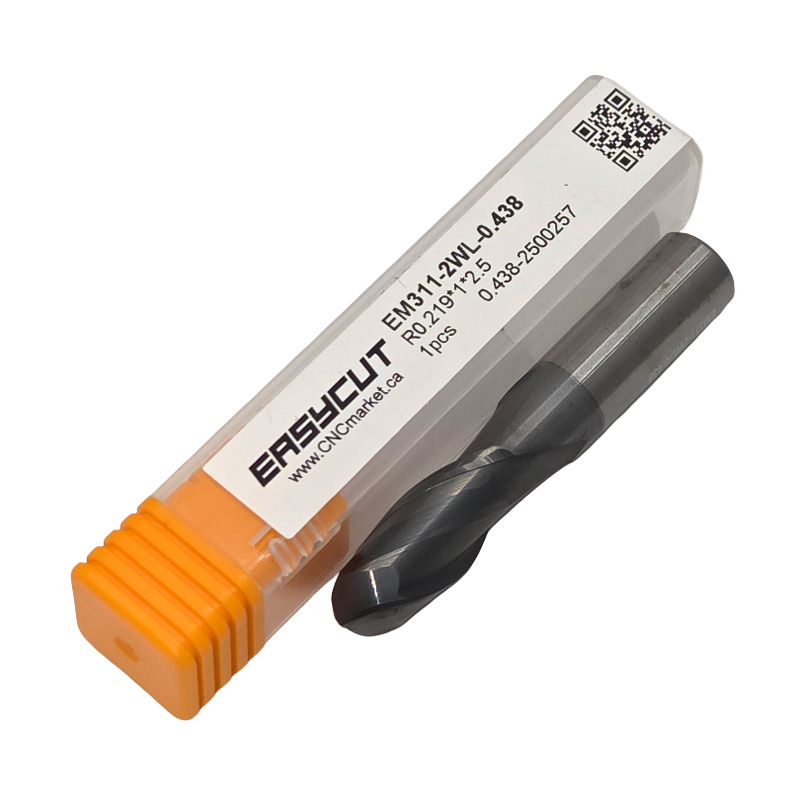

7/16" Carbide Ball Nose End Mill, 2 flutes, 1.0" LOC, AlCrN Coated
80137746Out of stock
CA$39.08
excl. taxes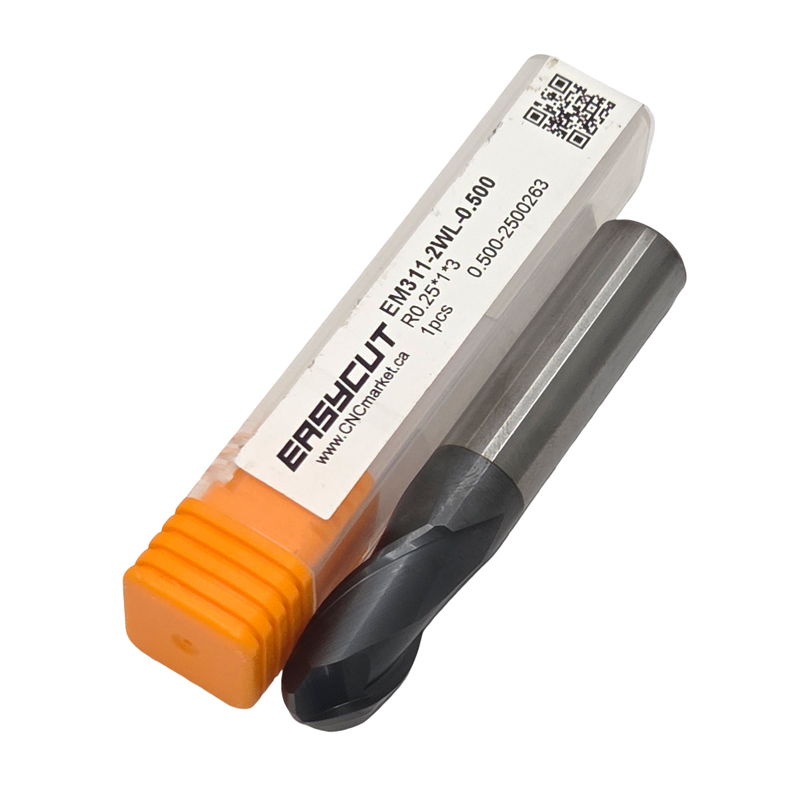

1/2" Carbide Ball Nose End Mill, 2 flutes, 1.0" LOC, AlCrN Coated
80137747Out of stock
CA$50.89
excl. taxes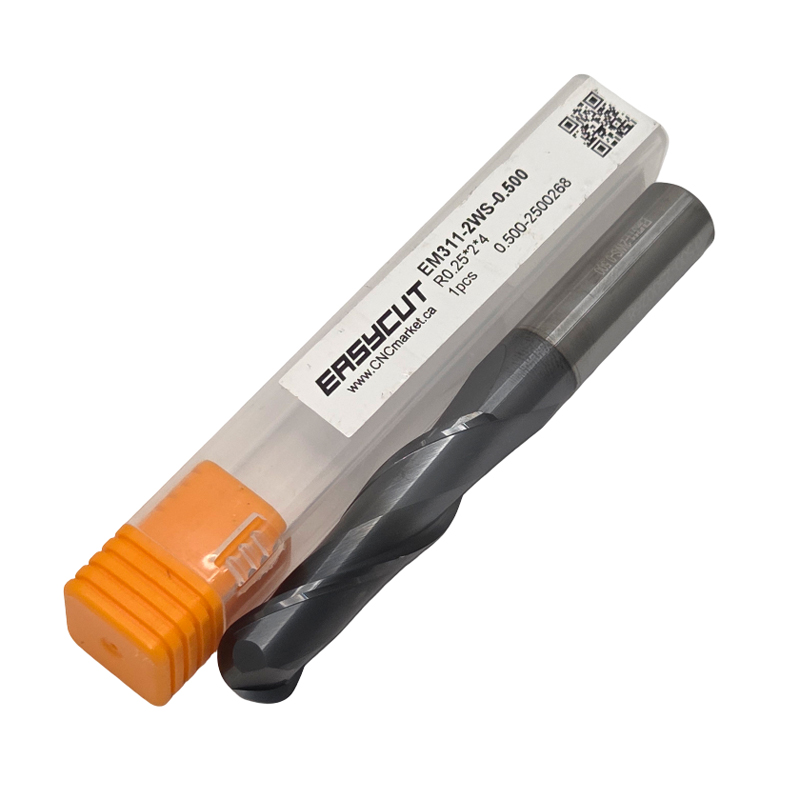

1/2" Carbide Ball Nose End Mill, 2 flutes, 2.0" LOC, AlCrN Coated
80137752Out of stock
CA$61.15
excl. taxes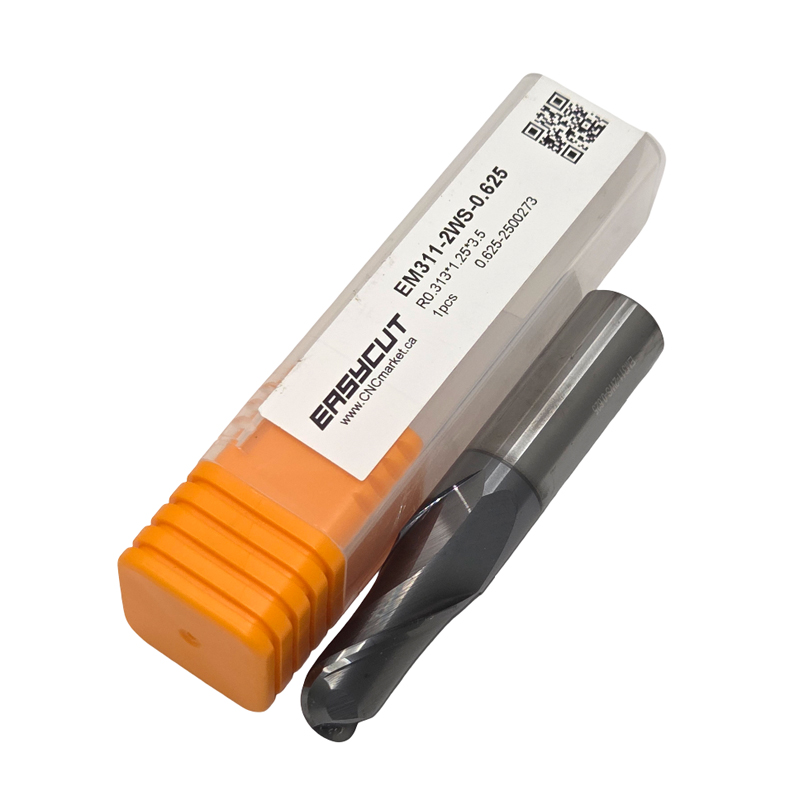

5/8" Carbide Ball Nose End Mill, 2 flutes, 1.25" LOC, AlCrN Coated
80137753Out of stock
CA$93.97
excl. taxes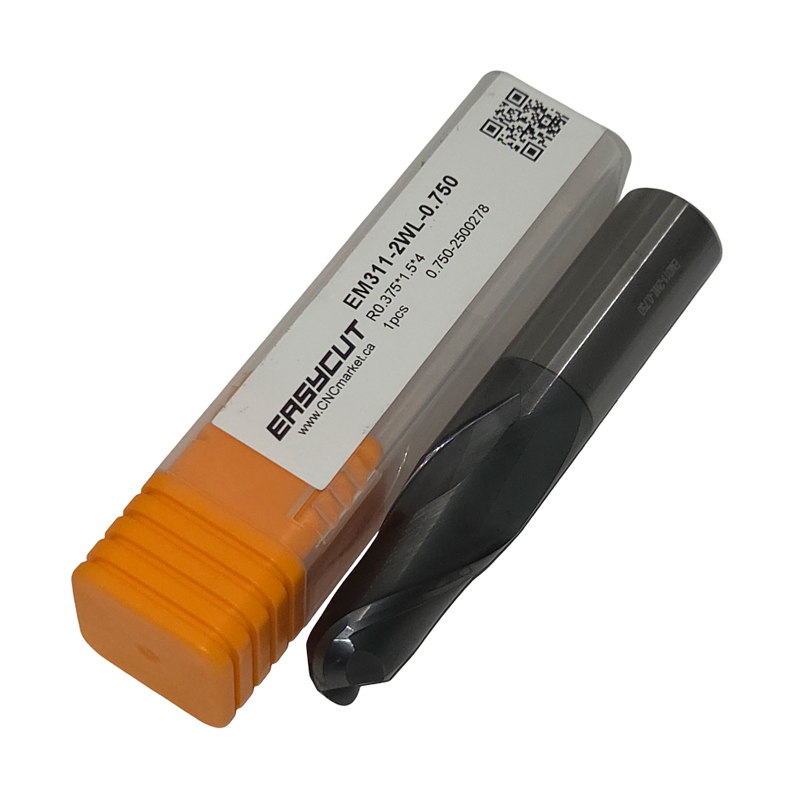

3/4" Carbide Ball Nose End Mill, 2 flutes, 1.5" LOC, AlCrN Coated
80137748Out of stock
CA$144.32
excl. taxes