
2 Flute End Mill
Total found: 104

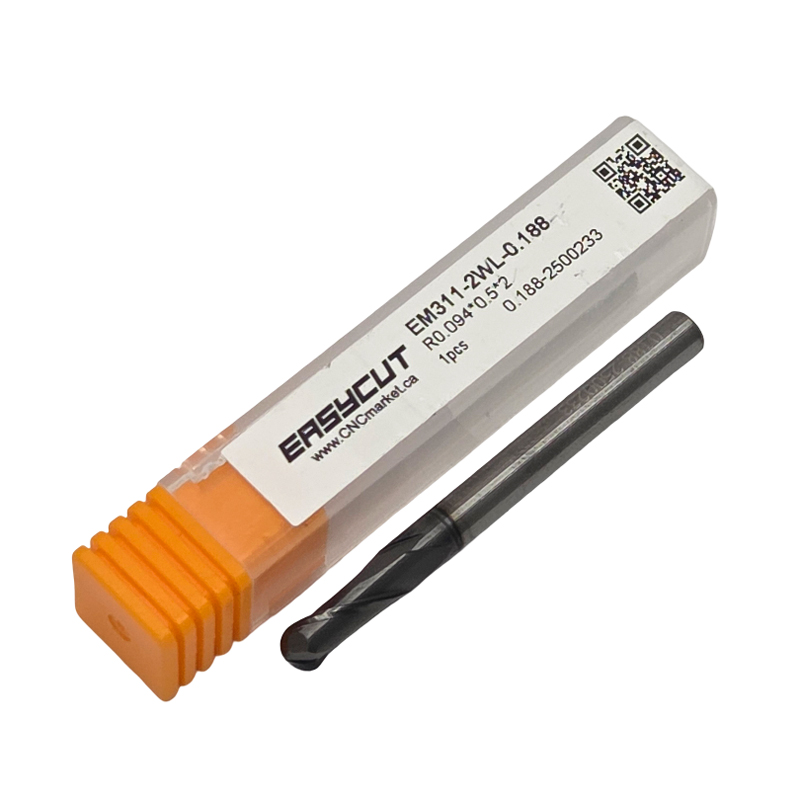

3/16" Carbide Ball Nose End Mill, 2 flutes, 0.5" LOC, AlCrN Coated
80137742Out of stock
CA$10.60
excl. taxes

1 mm Carbide End Mill, 2 Flutes, Flat, Standard length, For P, M, K materials, AlCrN coated, LOC 3 mm
80151787Made to order
CA$11.15
excl. taxes

2 mm Carbide End Mill, 2 Flutes, Flat, Standard length, For P, M, K materials, AlCrN coated, LOC 6 mm
80151788Made to order
CA$11.15
excl. taxes

1 mm Carbide End Mill, 2 Flutes, Ball Nose, Standard length, For P, M, K materials, AlCrN coated, LOC 2 mm
80151789Made to order
CA$12.01
excl. taxes

2 mm Carbide End Mill, 2 Flutes, Ball Nose, Standard length, For P, M, K materials, AlCrN coated, LOC 4 mm
80151790Made to order
CA$12.01
excl. taxes

3 mm Carbide End Mill, 2 Flutes, Ball Nose, Standard length, For P, M, K materials, AlCrN coated, LOC 6 mm
80151791Made to order
CA$12.01
excl. taxes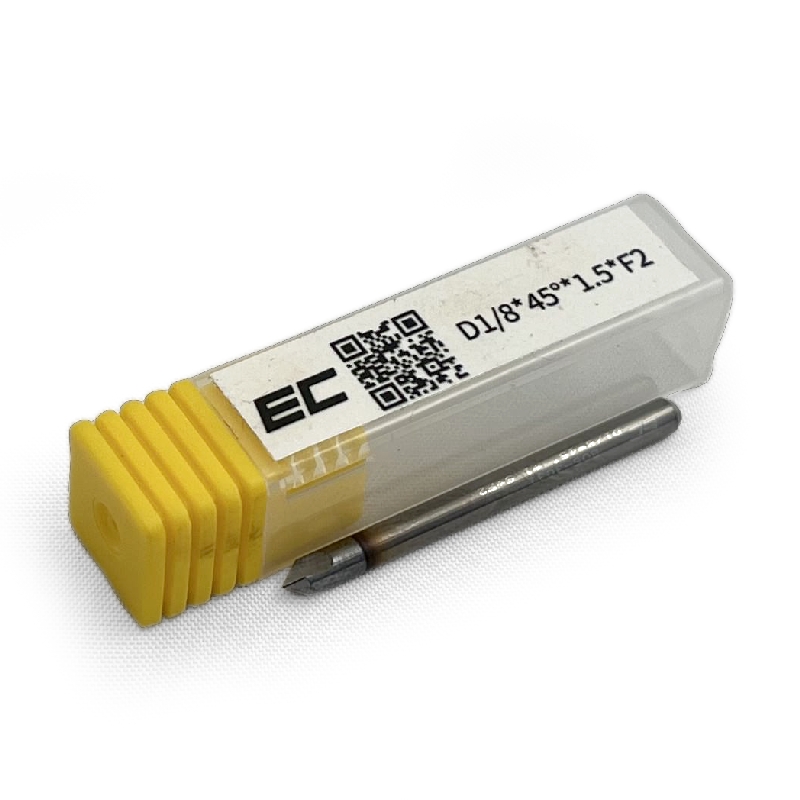

1/8 Carbide Chamfer Mill, 0.125 shank x 0.0625 LOC, 1.5 Overall Length, 2 Flute, Chamfer 45°, TiCN Coated
B05-3031Out of stock
CA$12.70
excl. taxes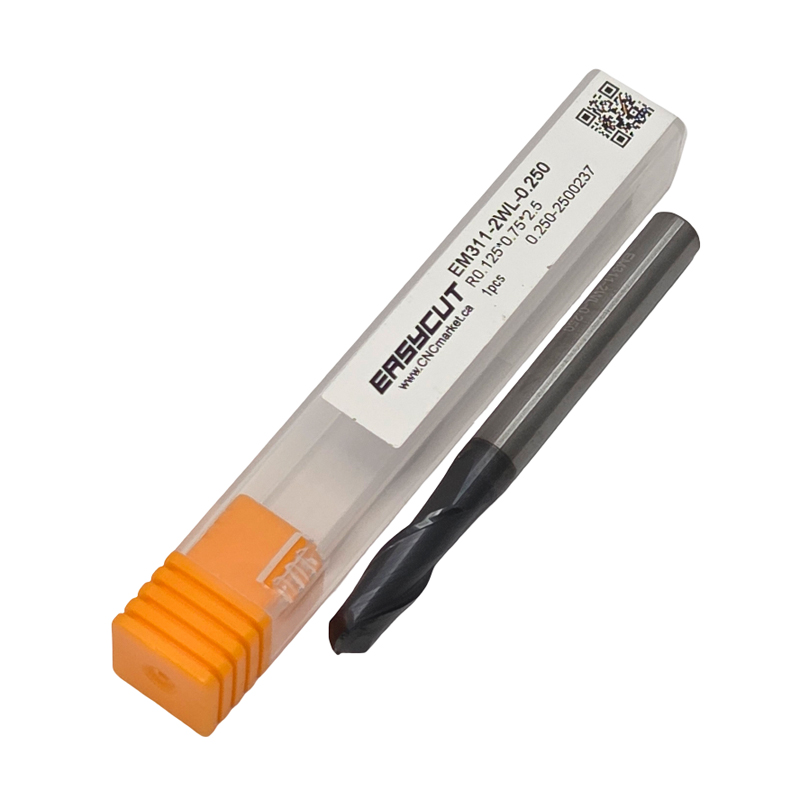

1/4" Carbide Ball Nose End Mill, 2 flutes, 0.75" LOC, AlCrN Coated
80137743Out of stock
CA$16.28
excl. taxes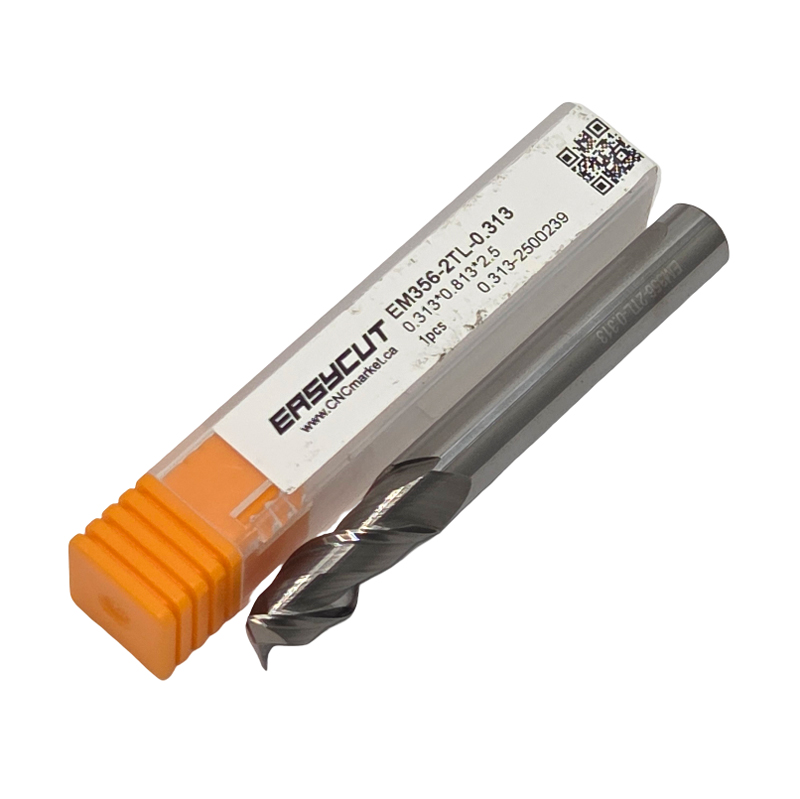

5/16" Carbide Square End Mill, 2 flutes, 0.813" LOC, Uncoated
80137791Out of stock
CA$19.23
excl. taxes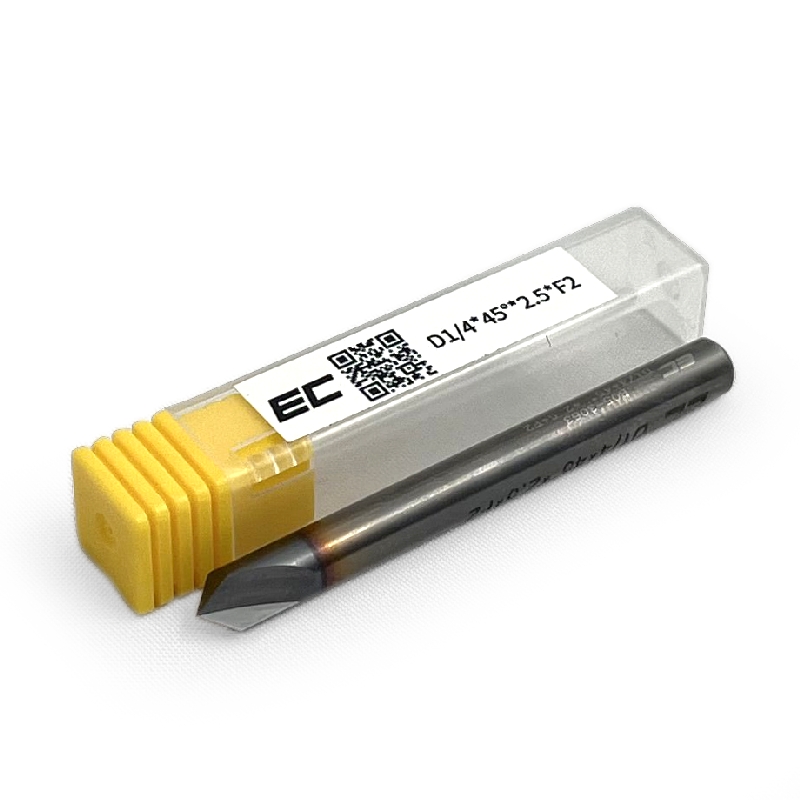

1/4 Carbide Chamfer Mill, 0.25 shank x 0.125 LOC, 2.5 Overall Length, 2 Flute, Chamfer 45°, TiCN Coated
B05-3063Out of stock
CA$19.30
excl. taxes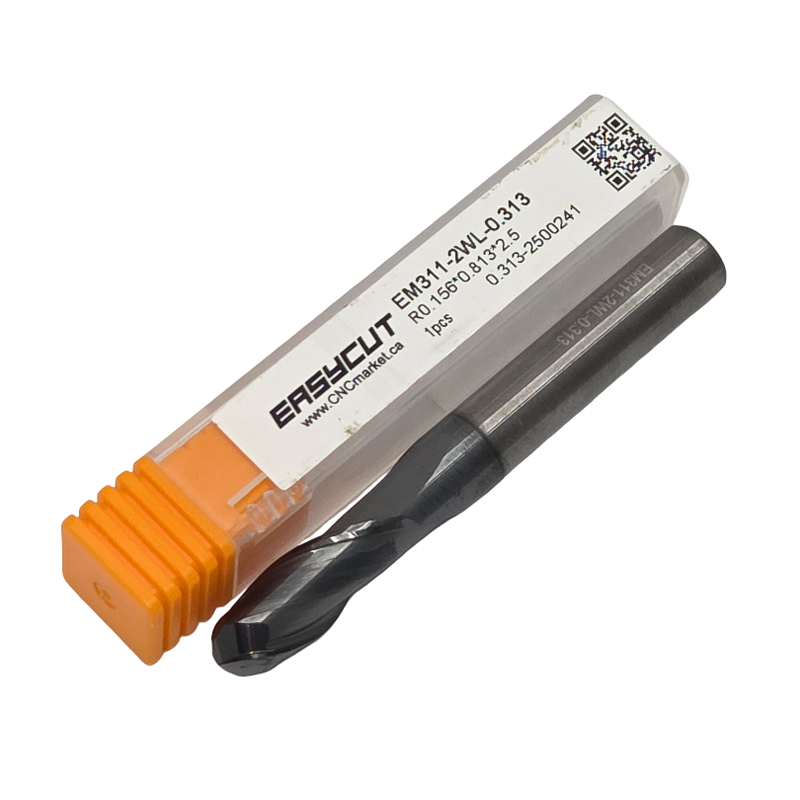

5/16" Carbide Ball Nose End Mill, 2 flutes, 0.813" LOC, AlCrN Coated
80137744Out of stock
CA$20.83
excl. taxes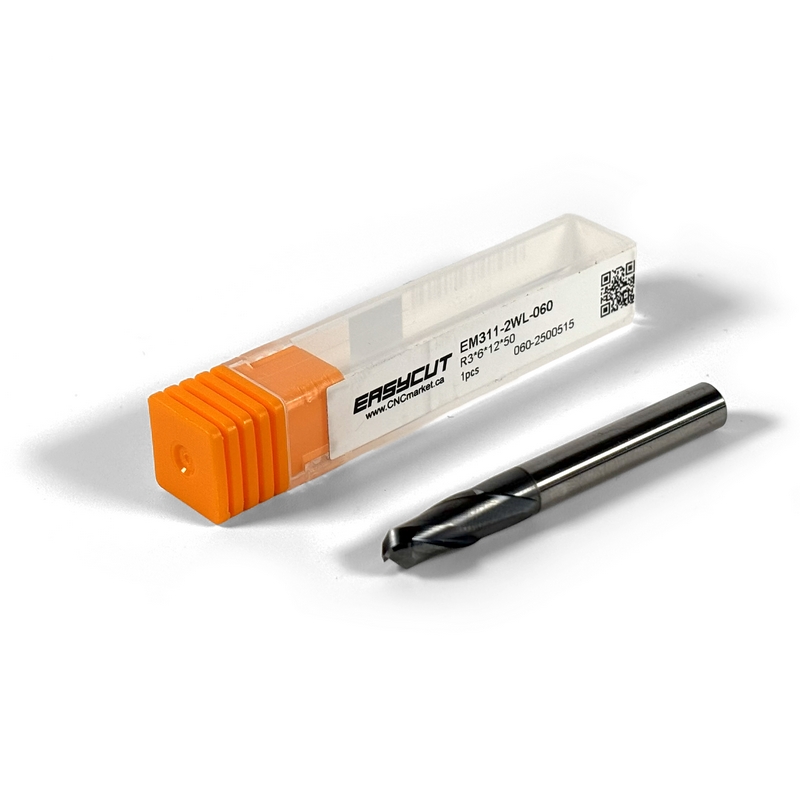

6 mm Carbide End Mill, 2 Flutes, Ball Nose, Standard length, For P, M, K materials, AlCrN coated, LOC 12 mm
80147227Made to order
CA$21.94
excl. taxes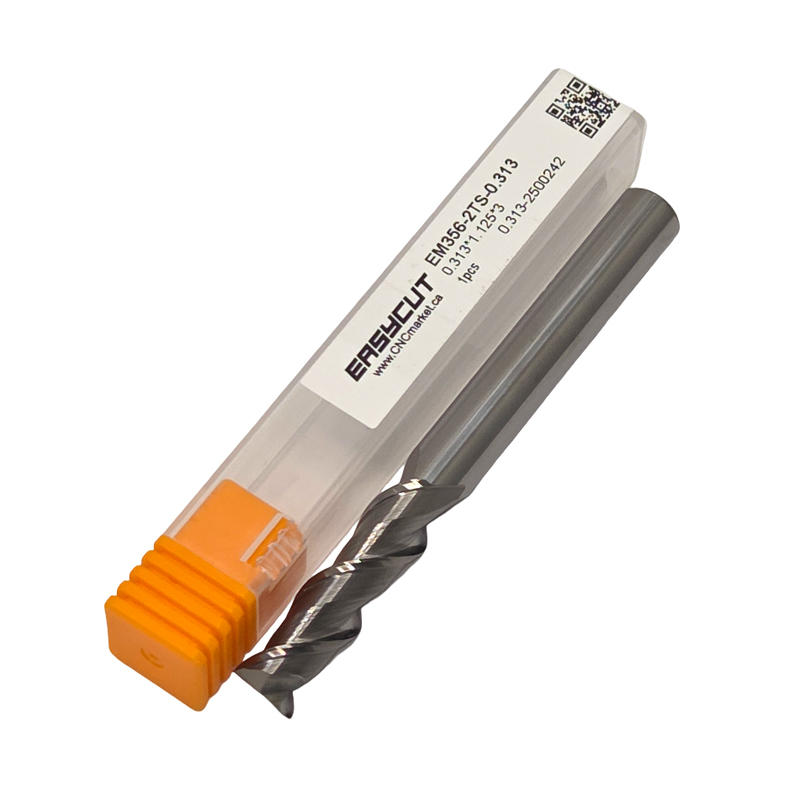

5/16" Carbide Square End Mill, 2 flutes, 1.125" LOC, Uncoated
80137798Out of stock
CA$21.95
excl. taxes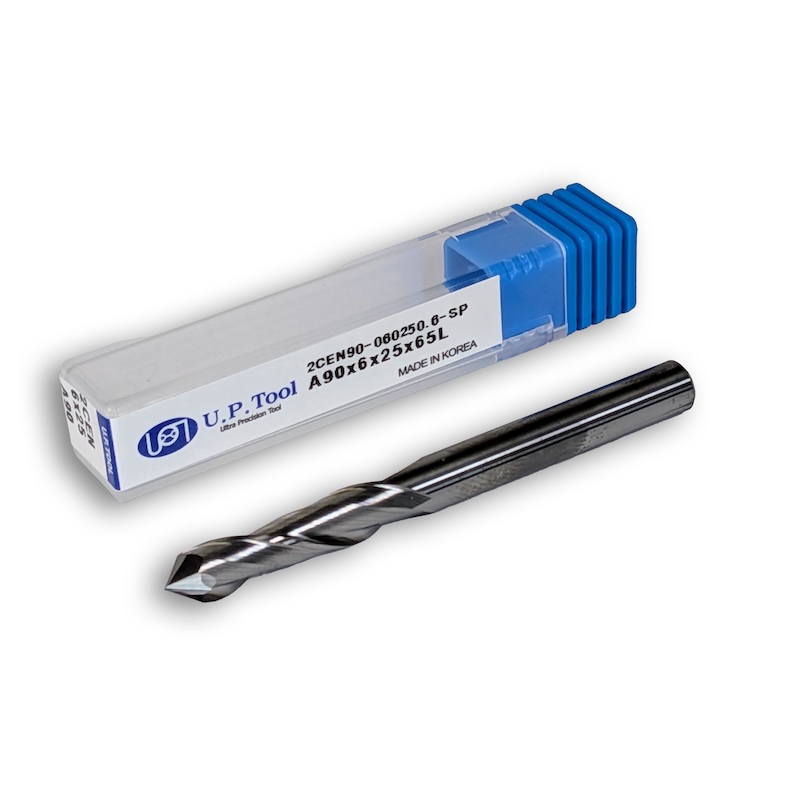

6mm Carbide Drill Mill, 2 flutes, 90°, 25mm LOC, Uncoated
2CEN90-060250-6-SPMade to order
CA$24.58
excl. taxes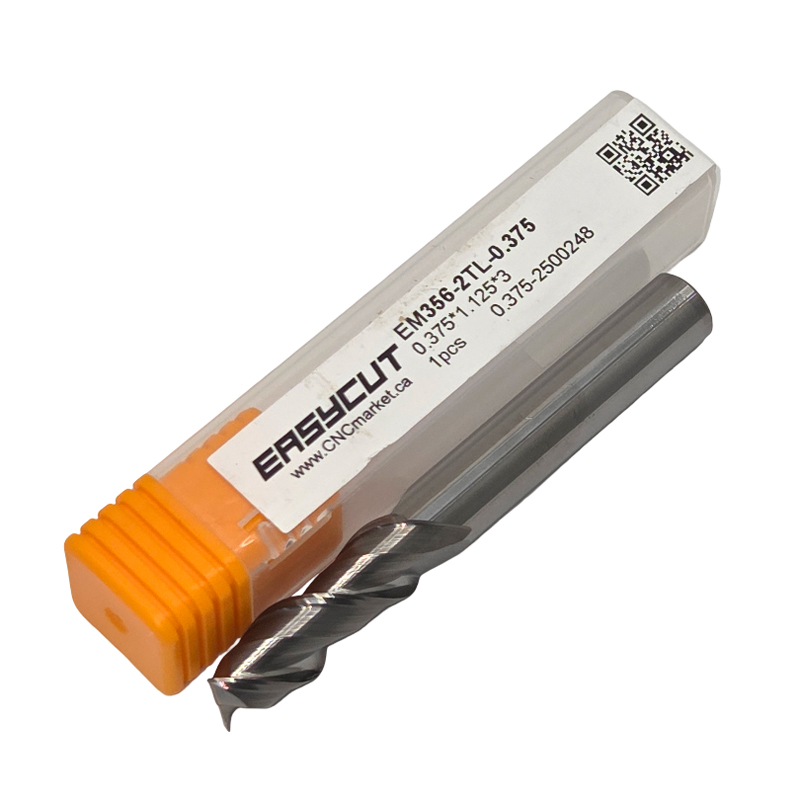

3/8" Carbide Square End Mill, 2 flutes, 1.125" LOC, Uncoated
80137792Out of stock
CA$29.55
excl. taxes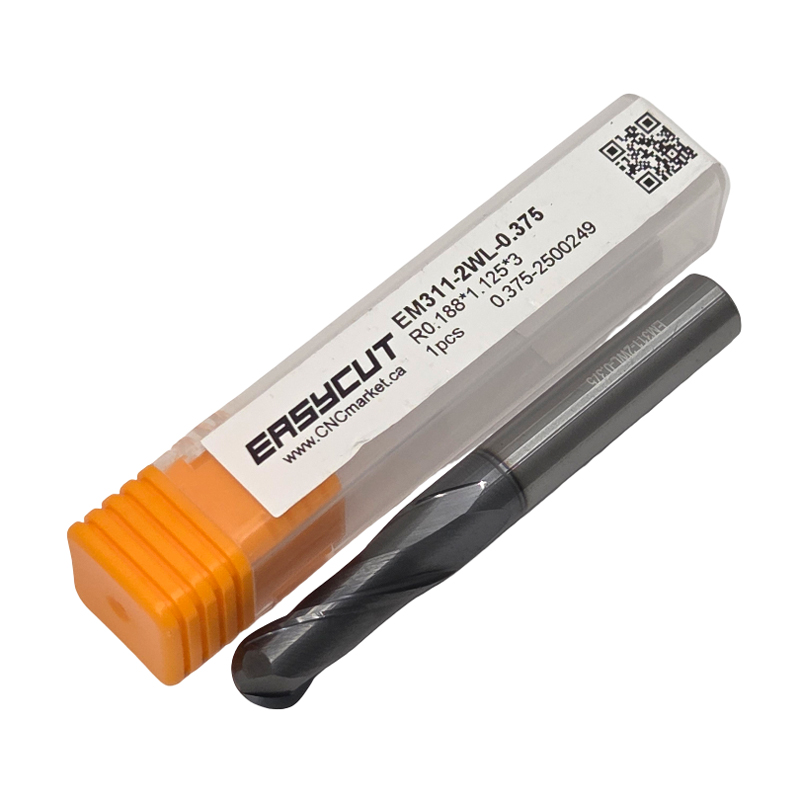

3/8" Carbide Ball Nose End Mill, 2 flutes, 1.125" LOC, AlCrN Coated
80137745Out of stock
CA$32.54
excl. taxes

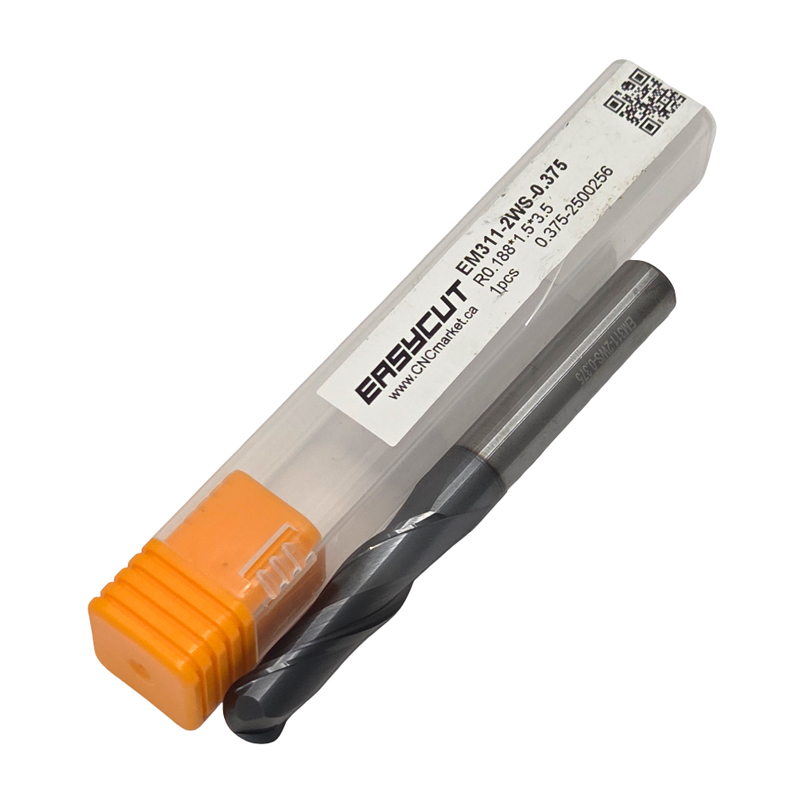

3/8" Carbide Ball Nose End Mill, 2 flutes, 1.5" LOC, AlCrN Coated
80137751Out of stock
CA$36.12
excl. taxes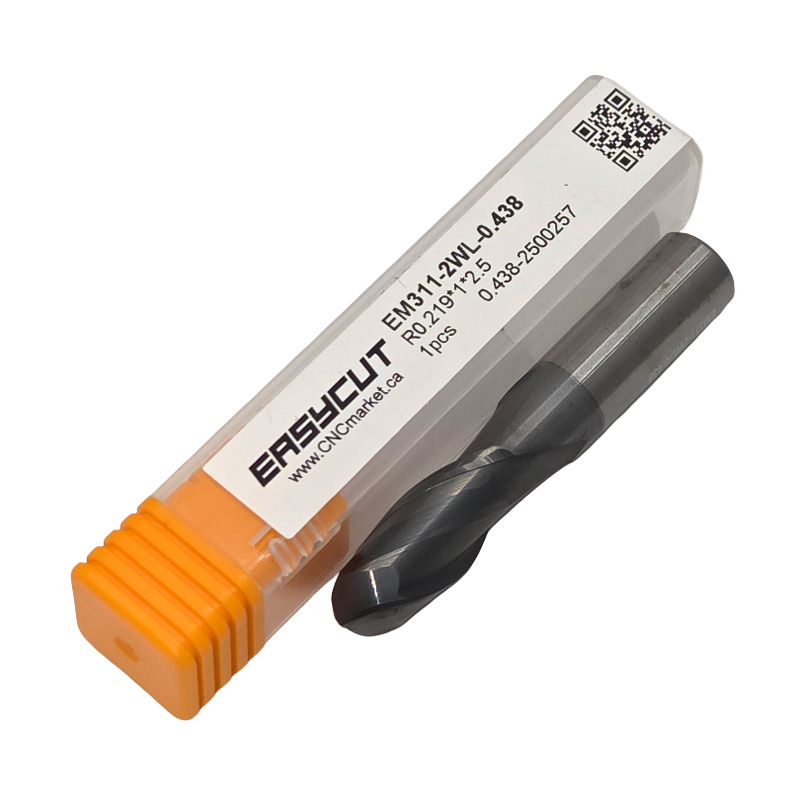

7/16" Carbide Ball Nose End Mill, 2 flutes, 1.0" LOC, AlCrN Coated
80137746Out of stock
CA$39.08
excl. taxes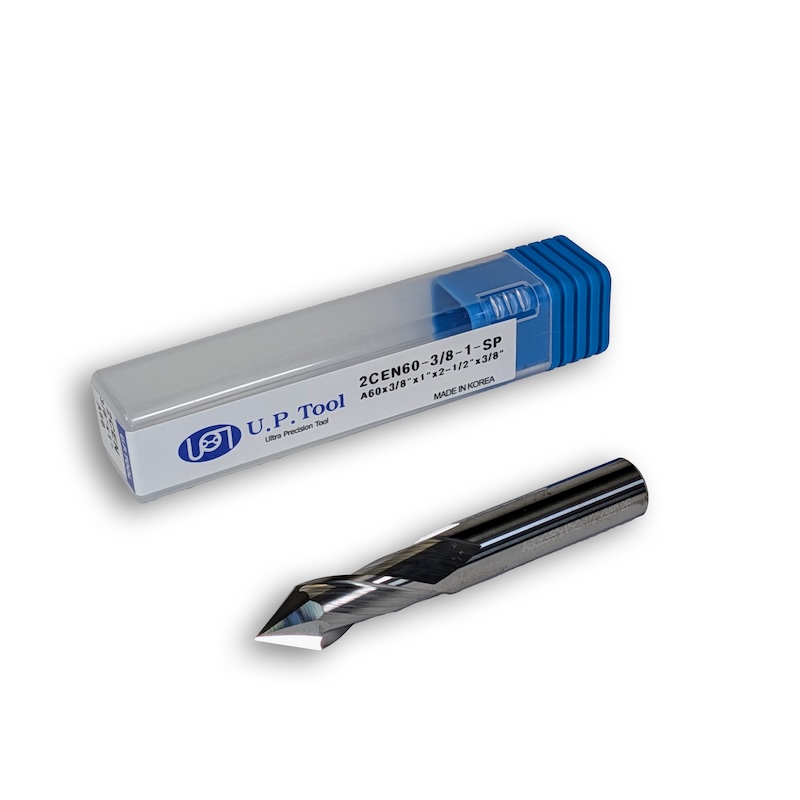

3/8" Carbide Drill Mill, 2 flutes, 60°, 1" LOC, Uncoated
2CEN60-0375-1-SPMade to order
CA$42.21
excl. taxes
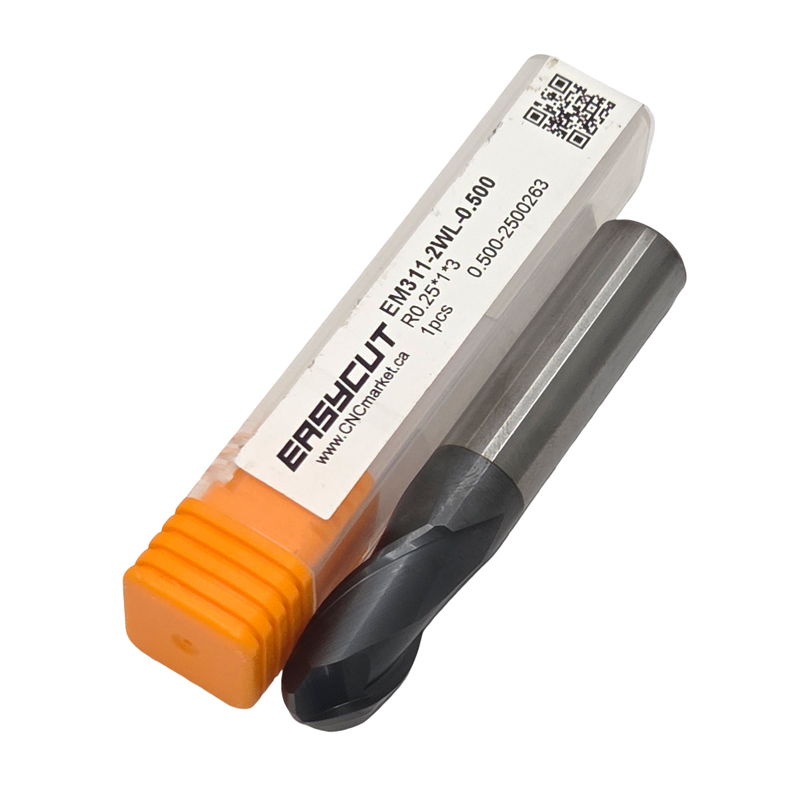

1/2" Carbide Ball Nose End Mill, 2 flutes, 1.0" LOC, AlCrN Coated
80137747Out of stock
CA$50.89
excl. taxes