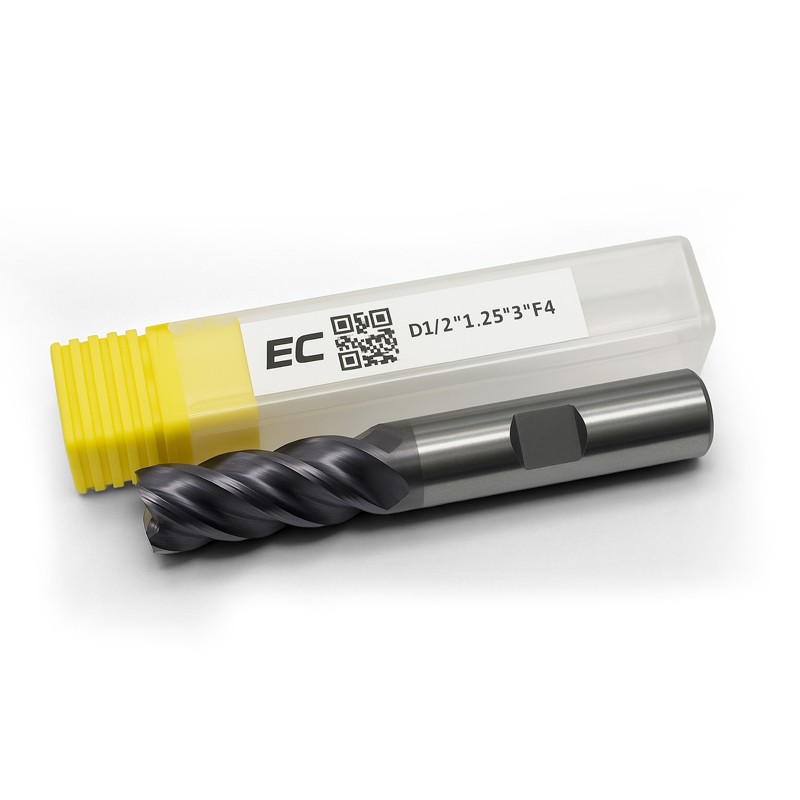
1/2 End Mill
Total found: 19
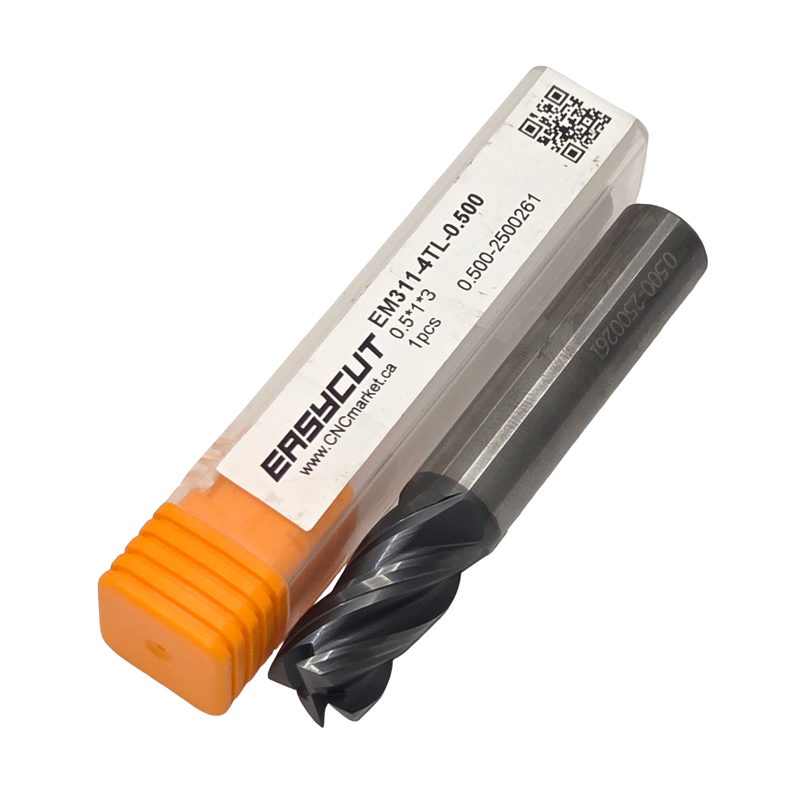

1/2" Carbide Square End Mill, 4 flutes, 1.0" LOC, AlCrN Coated
80137780Out of stock
CA$47.00
excl. taxes
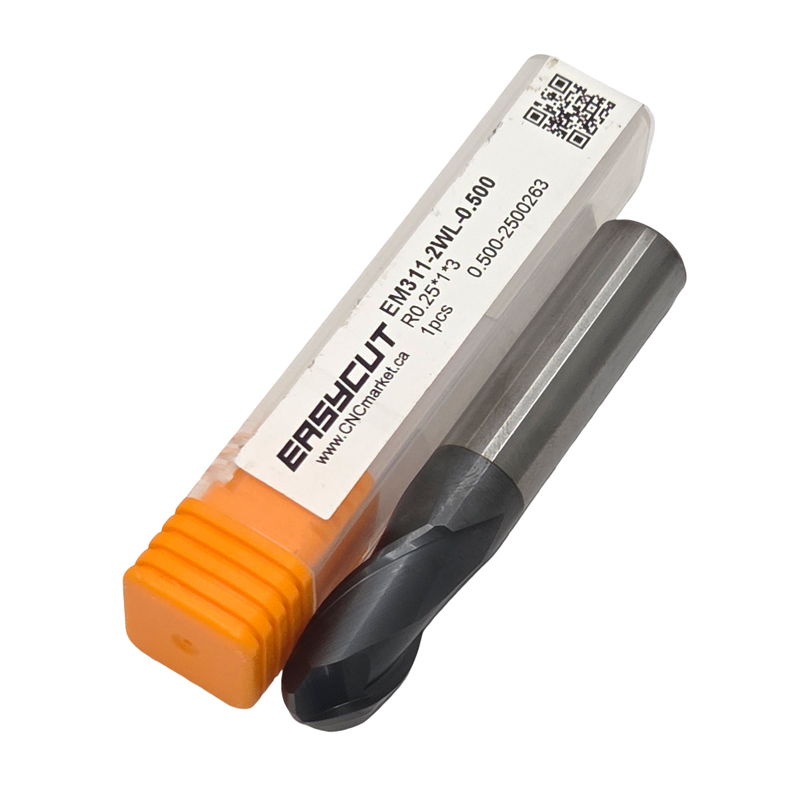

1/2" Carbide Ball Nose End Mill, 2 flutes, 1.0" LOC, AlCrN Coated
80137747Out of stock
CA$50.89
excl. taxes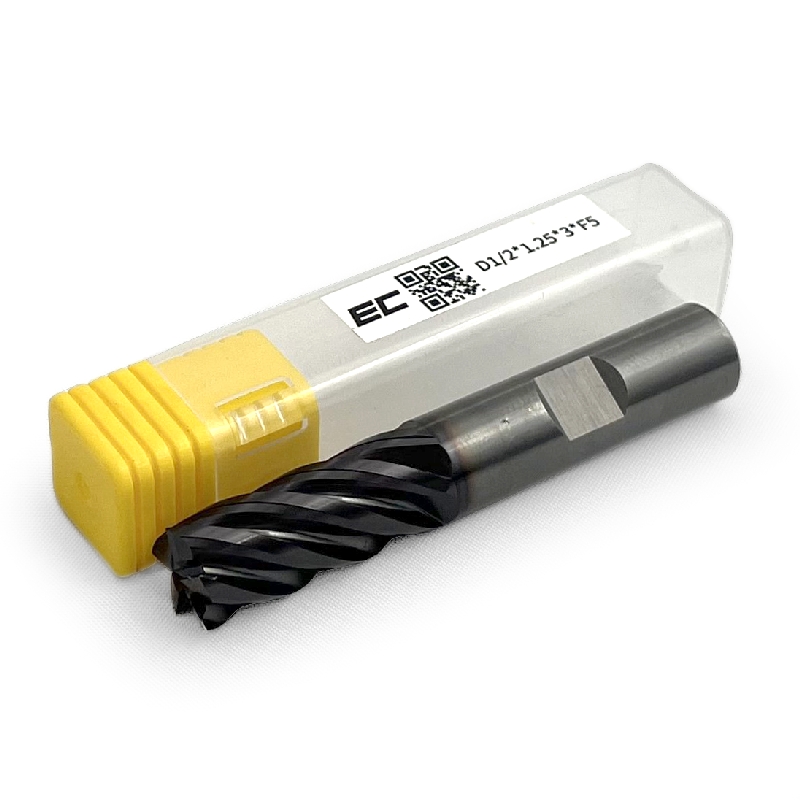

1/2 Carbide end mill, 5 flute, TiAlN, 0.5 shank x 1.25 LOC, helix angle 38, Weldon
A01-5127Out of stock
CA$54.14
excl. taxes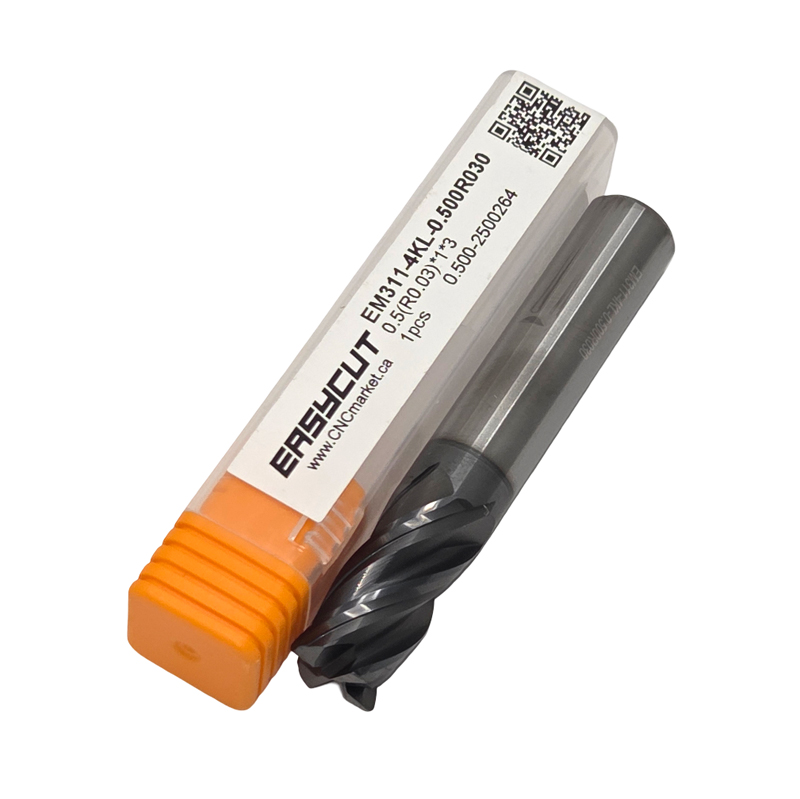

1/2" Carbide End Mill, 4 flutes, Bull Nose - R0.03", 1.0" LOC, AlCrN Coated
80137762Out of stock
CA$54.66
excl. taxes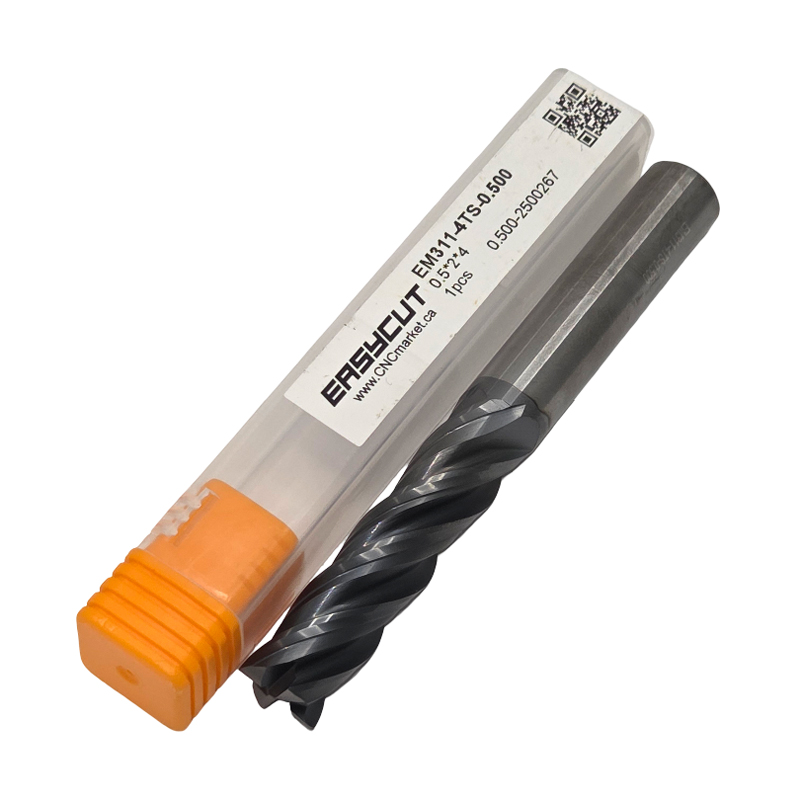

1/2" Carbide Square End Mill, 4 flutes, 2.0" LOC, AlCrN Coated
80137785Out of stock
CA$59.06
excl. taxes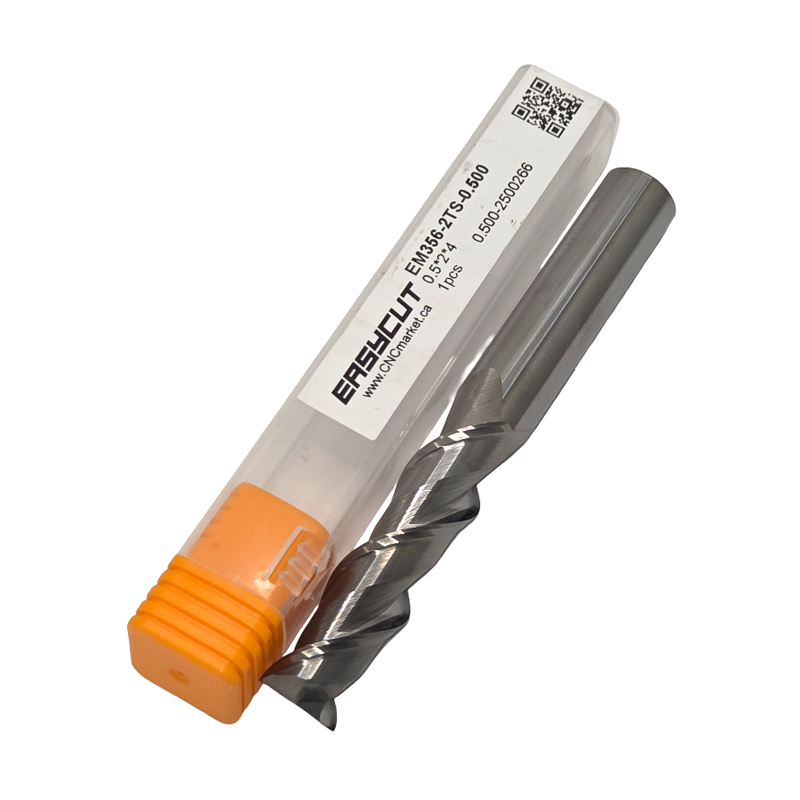

1/2 Carbide End Mill, 2 Flutes, Flat, Long, For N materials, Uncoated, LOC 2.000
80137800Made to order
CA$59.06
excl. taxes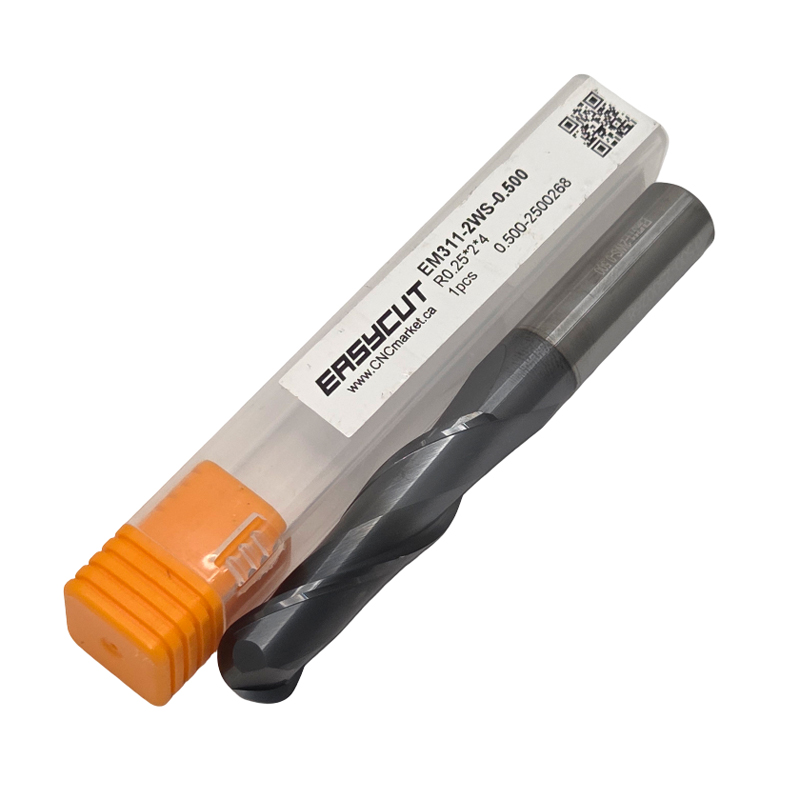

1/2" Carbide Ball Nose End Mill, 2 flutes, 2.0" LOC, AlCrN Coated
80137752Out of stock
CA$61.15
excl. taxes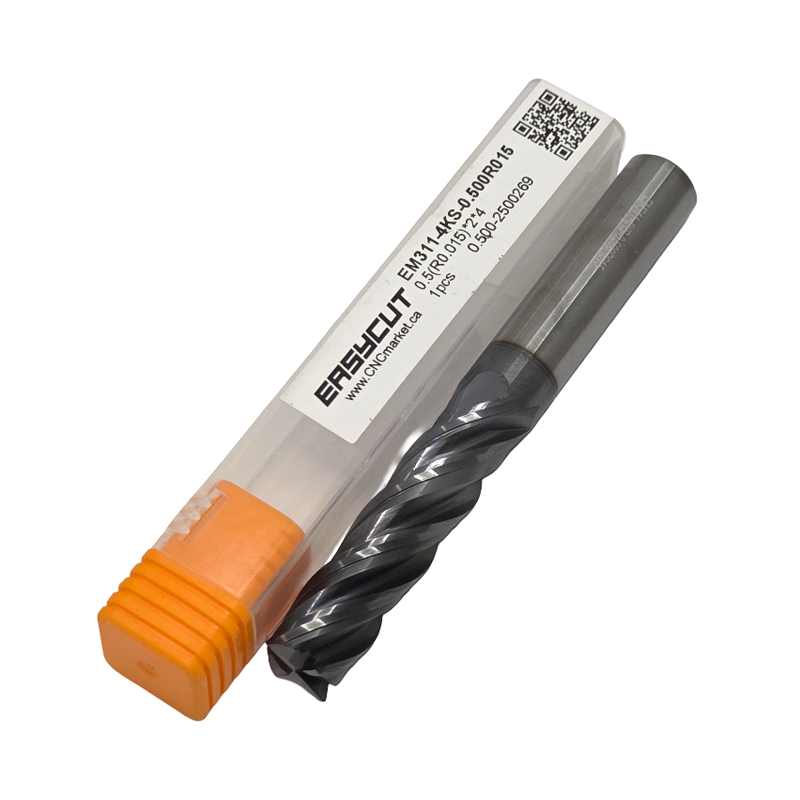

1/2" Carbide End Mill, 4 flutes, Bull Nose - R0.015", 2.0" LOC, AlCrN Coated
80137770Out of stock
CA$69.12
excl. taxes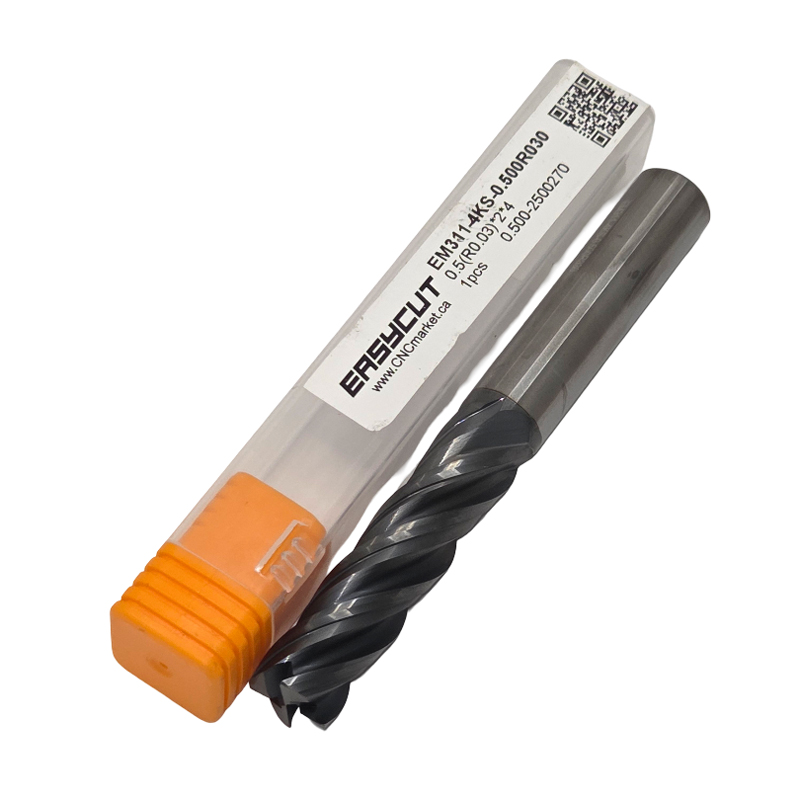

1/2" Carbide End Mill, 4 flutes, Bull Nose - R0.03", 2.0" LOC, AlCrN Coated
80137771Out of stock
CA$69.12
excl. taxes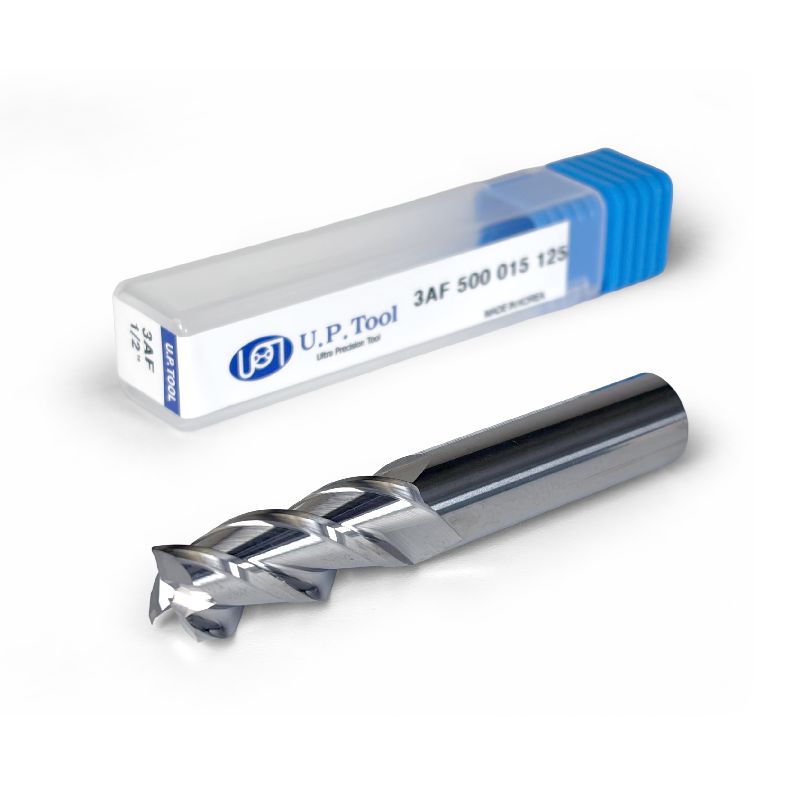

1/2" Carbide End Mill, 3 flutes, Bull Nose - R0.015", 1.25" LOC, Uncoated
3AF-500-015-125Made to order
CA$96.02
excl. taxes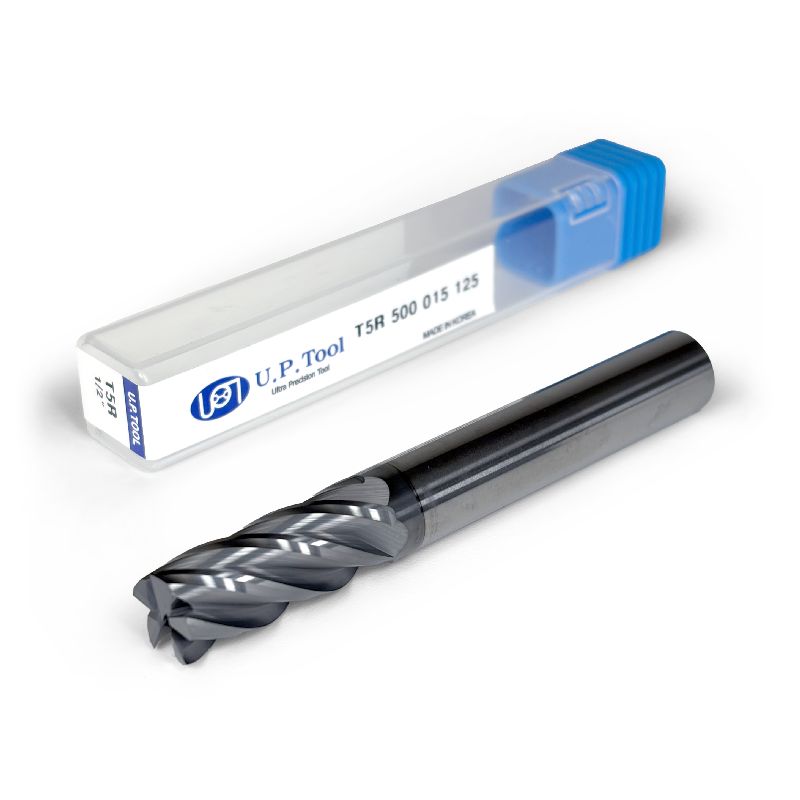

1/2" Carbide End Mill, 5 flutes, Bull Nose - R0.015", 1.25" LOC, AlCrN Coated
T5R-500-015-125Made to order
CA$123.03
excl. taxes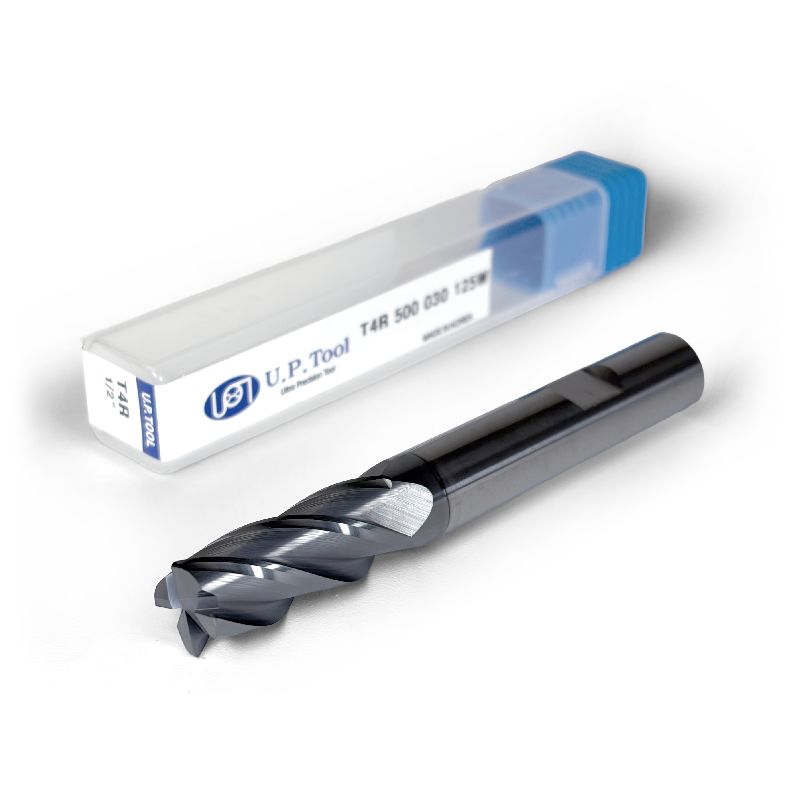

1/2" Carbide End Mill, 4 flutes, Bull Nose - R0.03", 1.25" LOC, AlCrN Coated, Weldon Shank
T4R-500-030-125WMade to order
CA$123.74
excl. taxes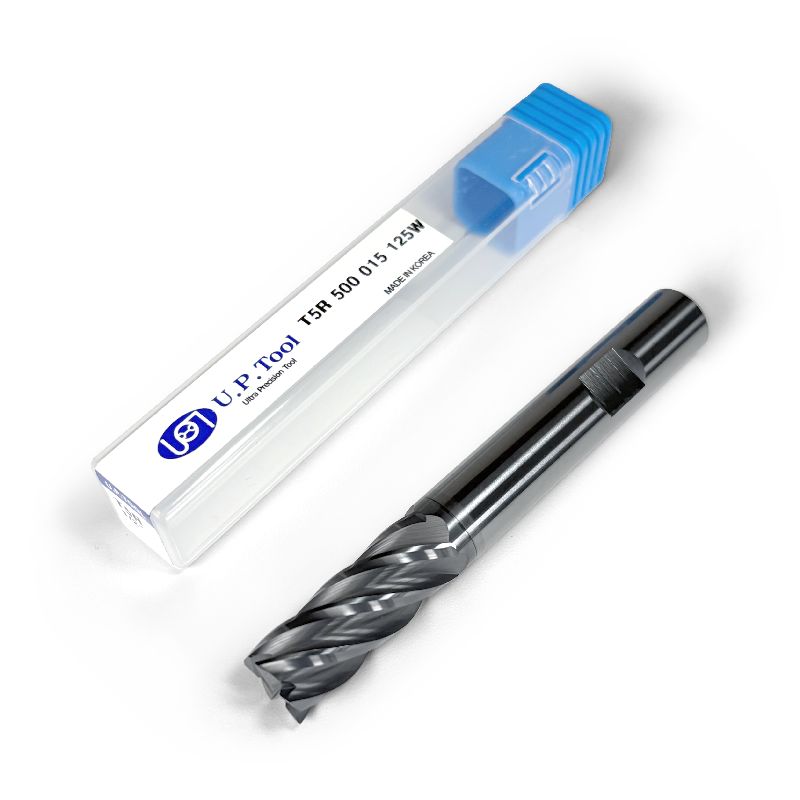

1/2" Carbide End Mill, 5 flutes, Bull Nose - R0.015", 1.25" LOC, AlCrN Coated, Weldon Shank
T5R-500-015-125WMade to order
CA$126.62
excl. taxes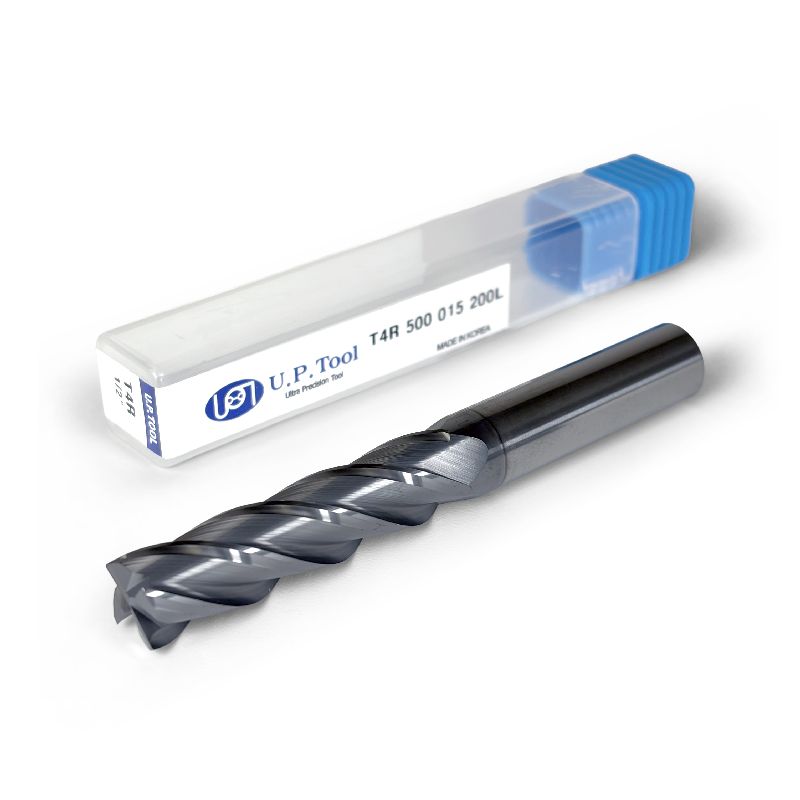

1/2" Carbide End Mill, 4 flutes, Bull Nose - R0.015", 2.0" LOC, AlCrN Coated, Extended Neck
T4R-500-015-200LMade to order
CA$127.38
excl. taxes