
Live Tooling
Total found: 20

CNC Teuton Hoodie „My DNA is written in G-Code“, schwarz
DTB60OKER32AMade to order
CA$5,153.52
excl. taxes
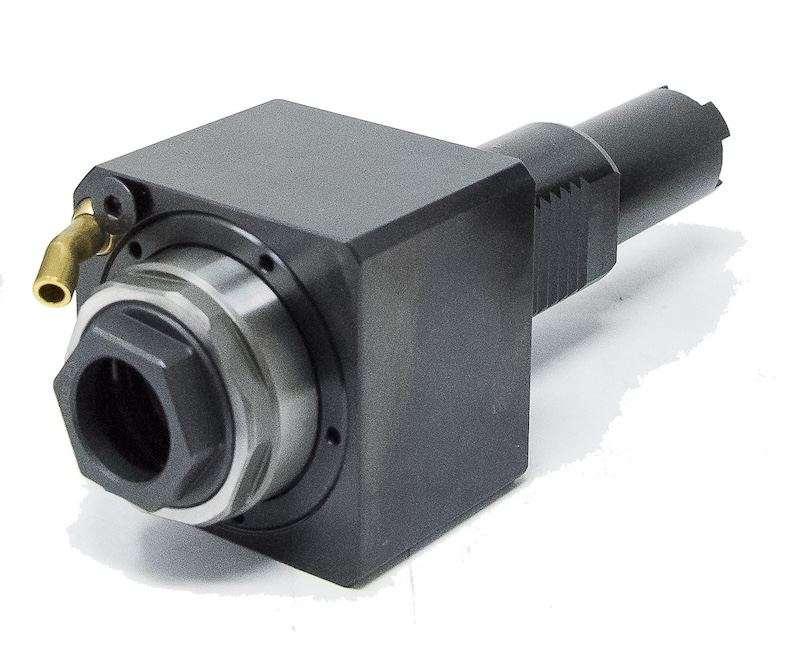

Straight (0°) live driven tool for VDI40 turret with 104.85mm HAAS coupling, ER32, RPM=6000
DTI40HXER32SMade to order
CA$1,449.59
excl. taxes
BMT55 ER32 Angle (90°) Live Tool, H=85, Ext. Coolant, RPM=6000
LTB55ER32AMade to order
CA$1,469.99
excl. taxes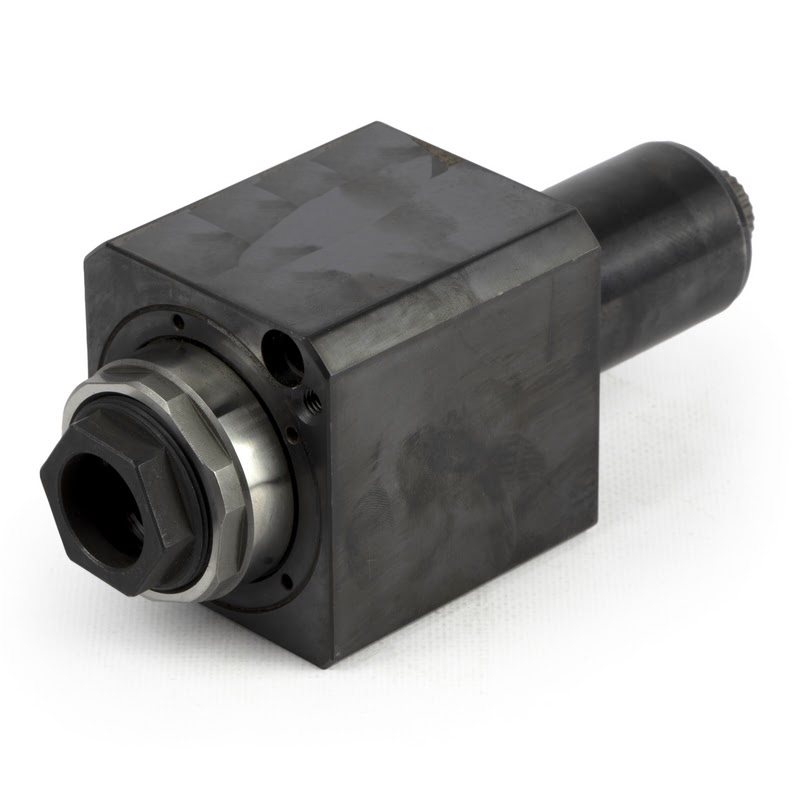

Straight (0°) live driven tool for VDI40 turret with DIN5480 coupling, ER32, RPM=6000
DTI4054ER32SMade to order
CA$1,759.00
excl. taxes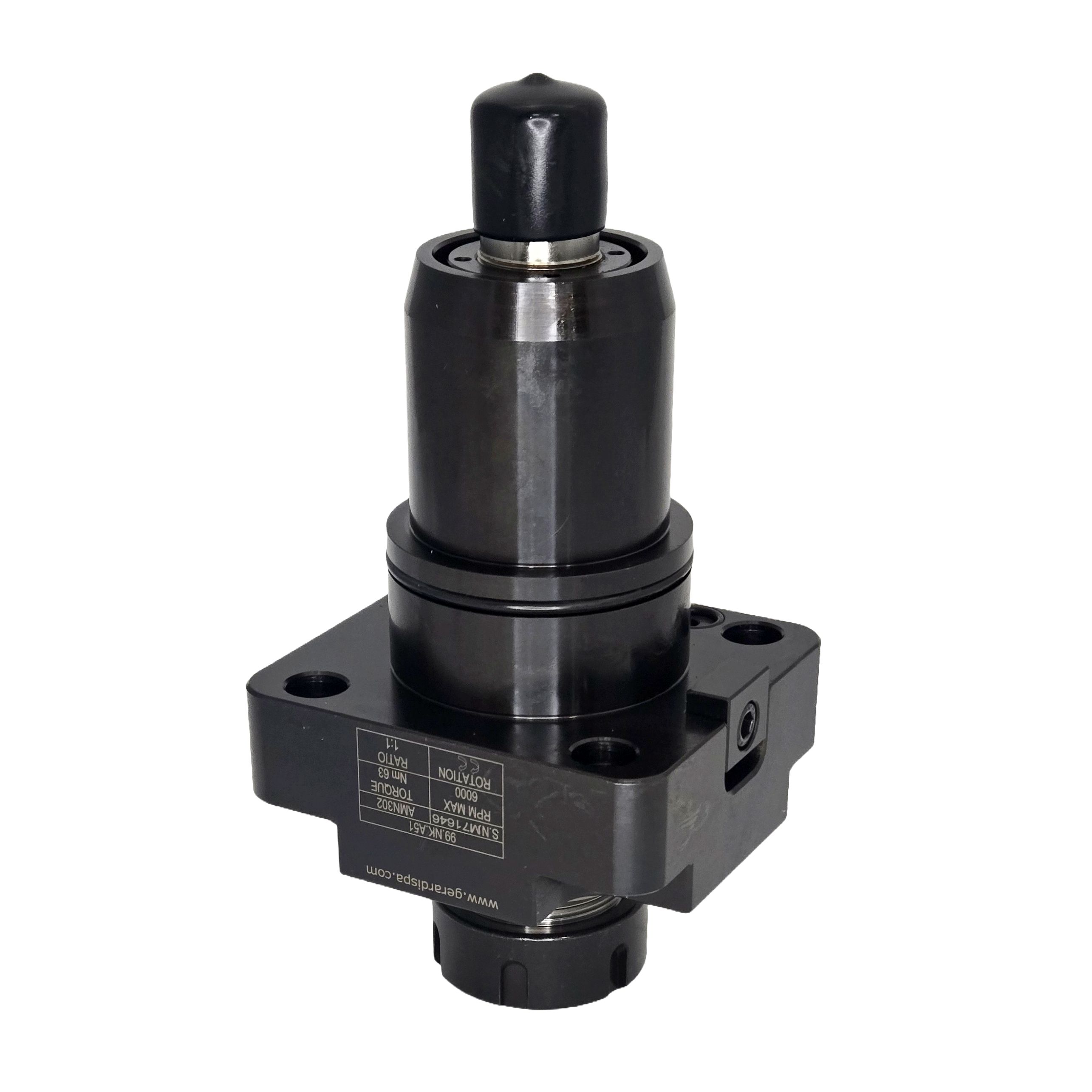

Straight (0°) live driven tool for BMT65 Nakamura turrets, ER32, RPM=6000
DTB65NTER32SMade to order
CA$1,773.66
excl. taxes
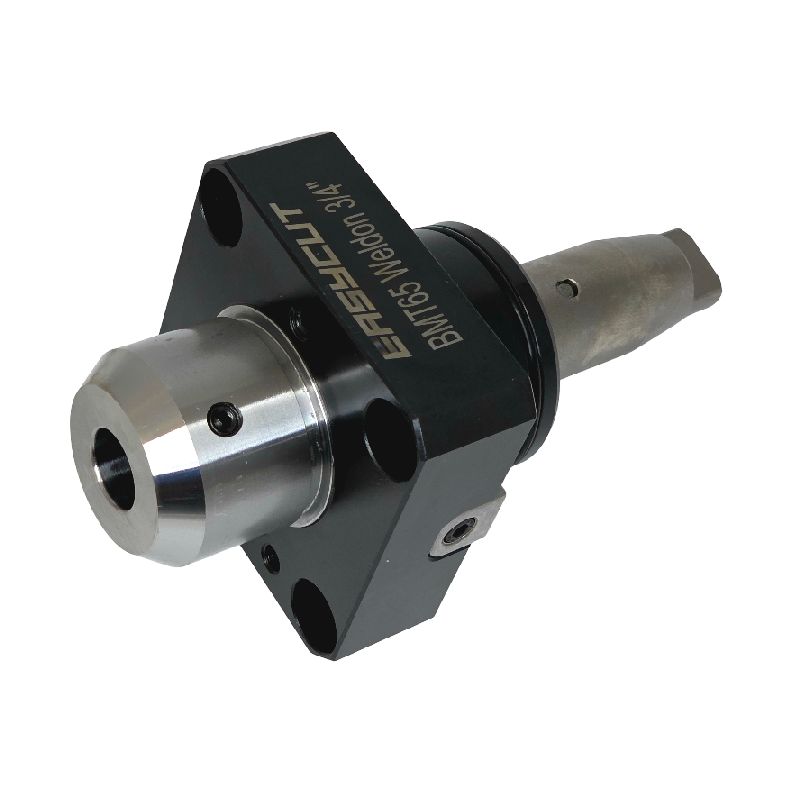

Straight (0°) live driven tool for BMT65 turrets, Weldon chuck 3/4" (0.75"), RPM=6000, RATIO 1:1
DTB65W075SMade to order
CA$2,239.38
excl. taxes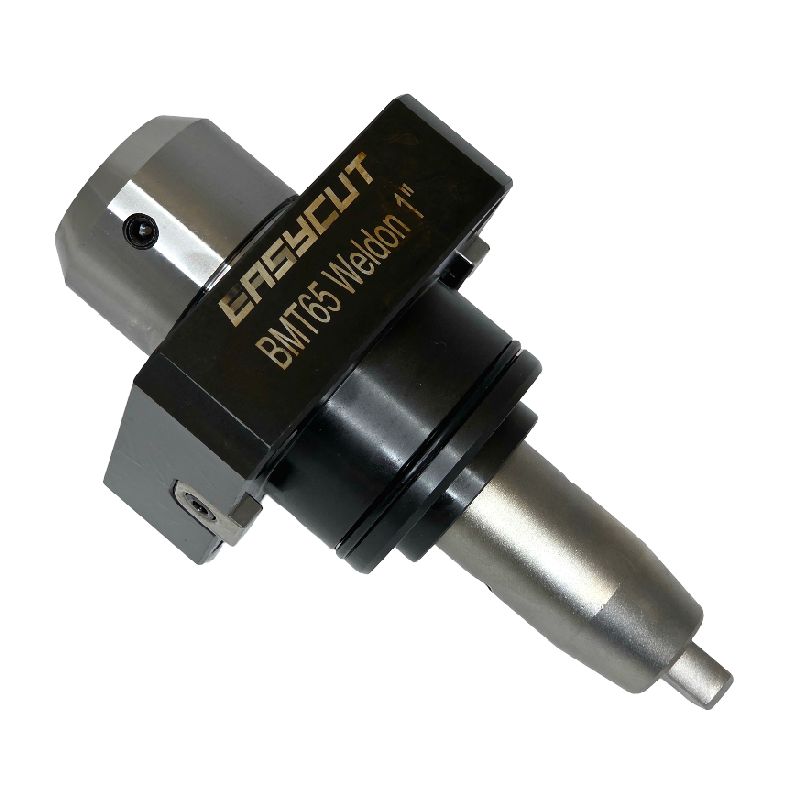

Straight (0°) live driven tool for BMT65 turrets, Weldon chuck 1", RPM=6000, RATIO 1:1
DTB65W1SMade to order
CA$2,239.38
excl. taxes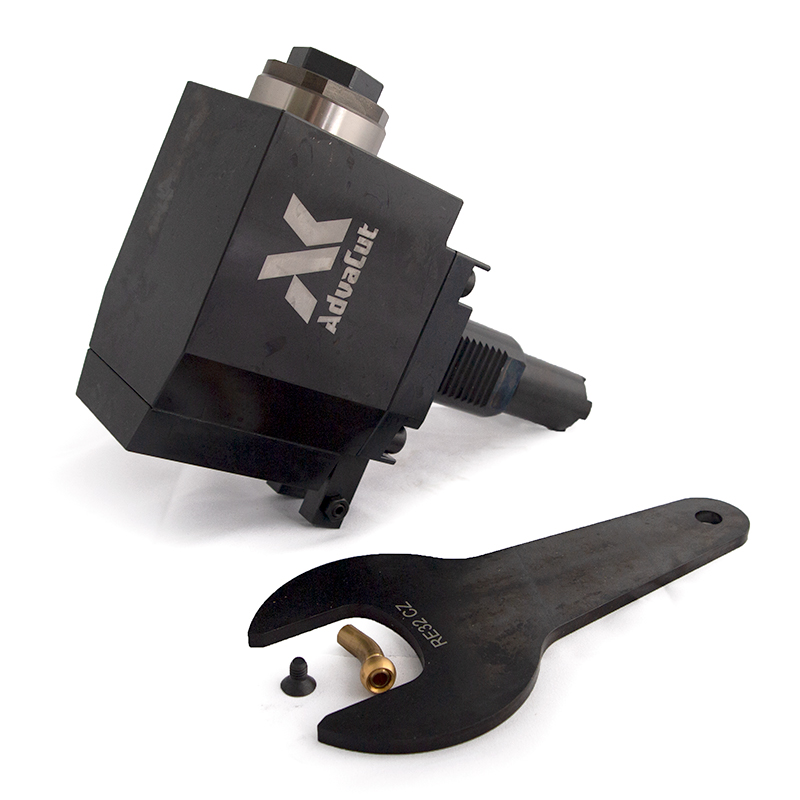

Angle (90°) live driven tool for VDI40 turret with 117.55mm coupling, ER32, RATIO 1:1
DTI40HER32AMade to order
CA$2,720.56
excl. taxes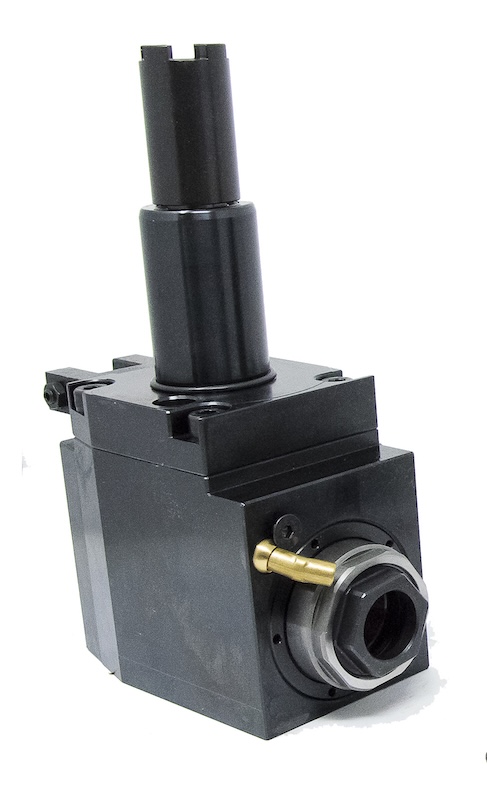

Angle (90°) live driven tool for VDI40 turret with 104.85mm HAAS coupling, ER32, RPM=6000
DTI40HXER32AMade to order
CA$2,720.56
excl. taxesBMT55 Twin ER32 Angle (90°) Live Tool, H=85, Ext. Coolant, RPM=6000
LTB55ER32ATMade to order
CA$2,829.99
excl. taxes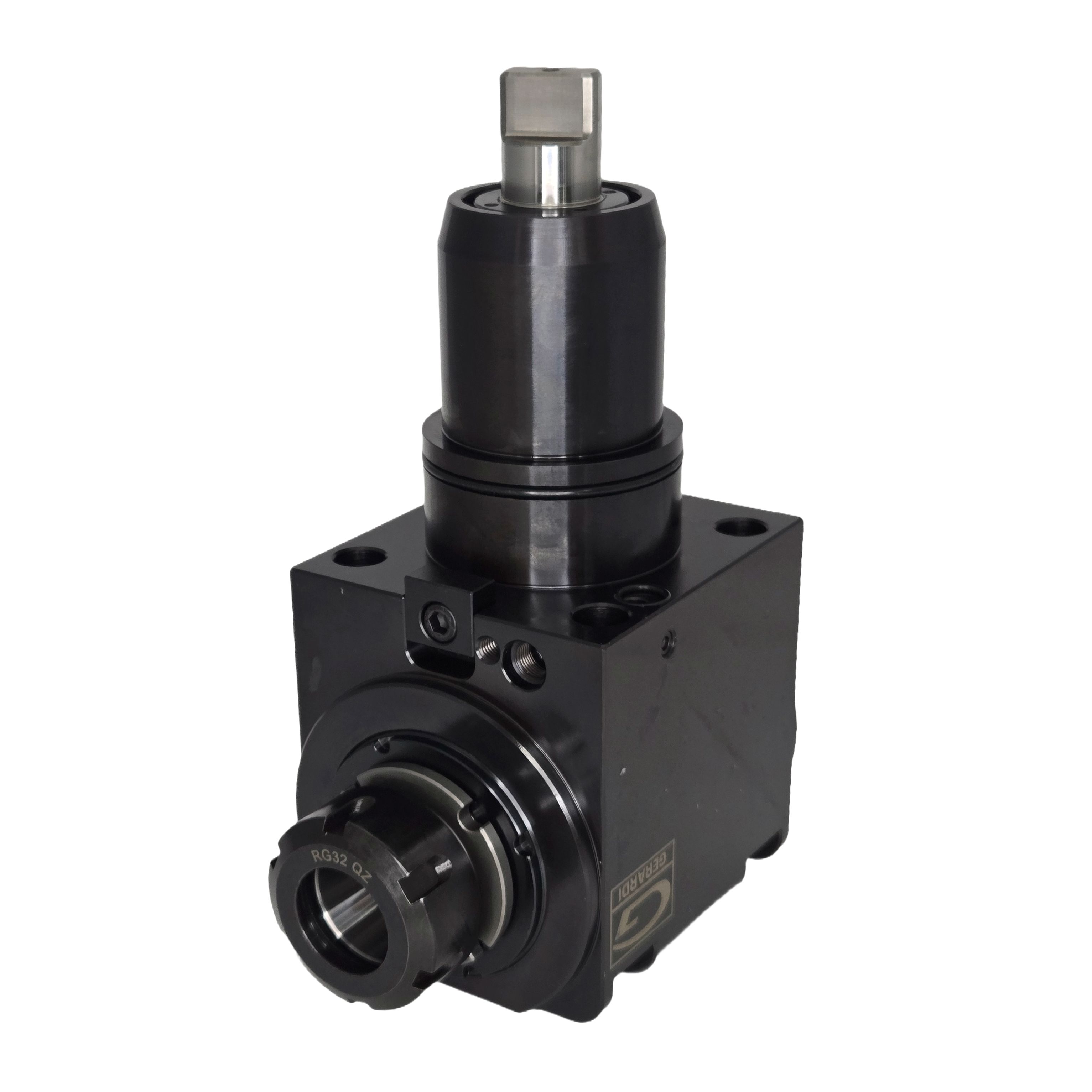

Angle (90°) live driven tool for BMT65 Nakamura turrets, ER32, RPM=6000
DTB65NTER32AMade to order
CA$2,869.15
excl. taxes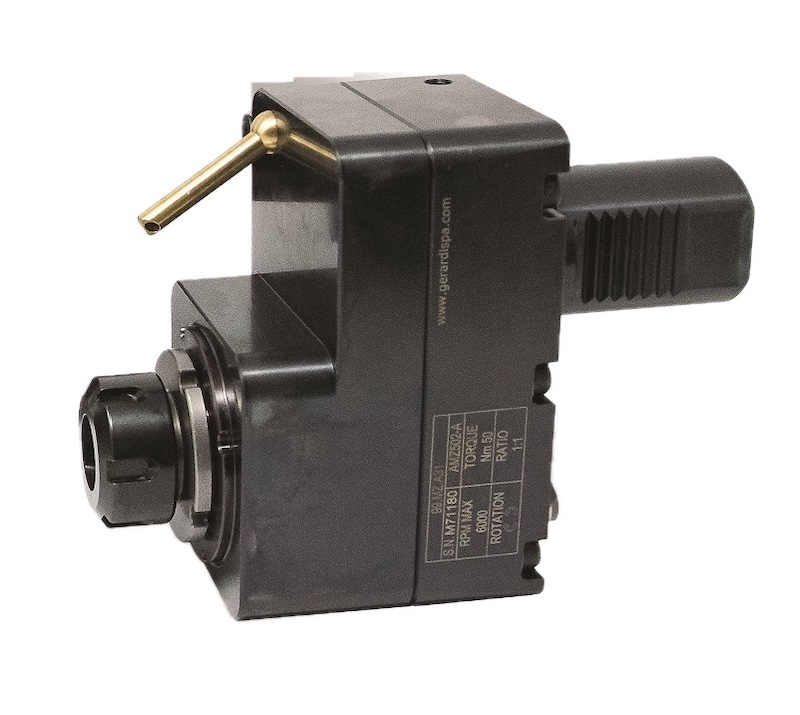

Straight (0°) live driven tool for Mazak HQ40 turrets, ER25, RPM=6000
DTM40HQER25SMade to order
CA$3,126.82
excl. taxesBMT55 ER25 Angle (90°) Live Tool, H=85, Ext. Coolant, RPM=6000
DTB55ER25AMade to order
CA$3,229.99
excl. taxes
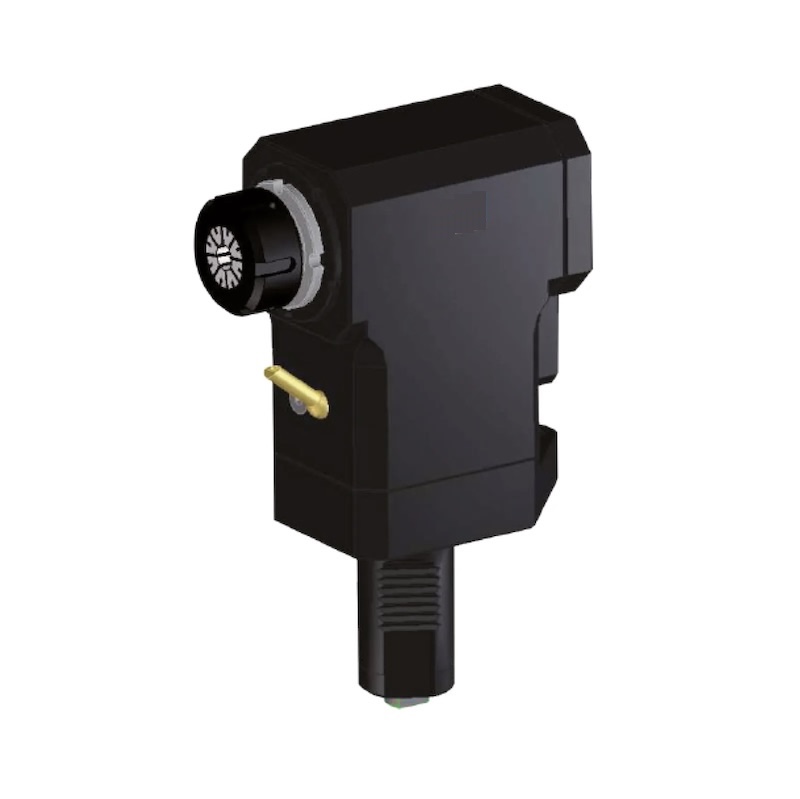

Angle (90°) live driven tool for Mazak HQ40 turrets, ER25, RPM=6000
DTM40HQER25AMade to order
CA$3,468.28
excl. taxes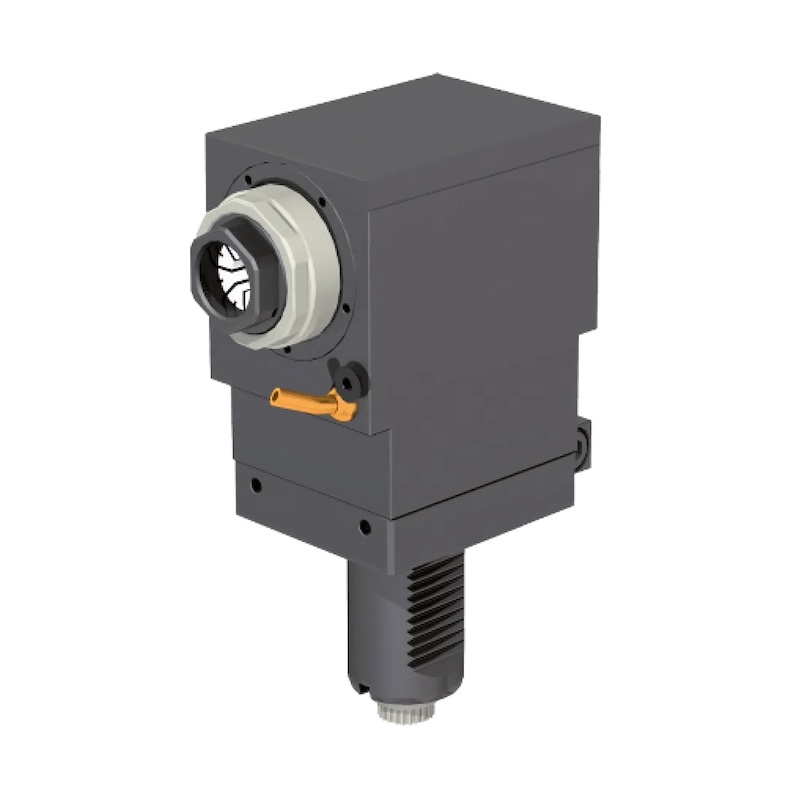

Angle (90°) live driven tool for VDI40 turret with DIN5480 coupling, ER32, RPM=6000
DTI4054ER32AMade to order
CA$3,738.00
excl. taxes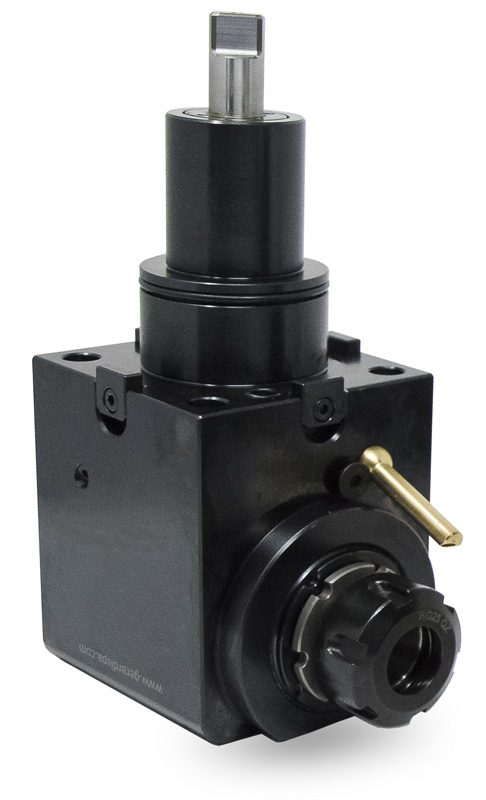

Angle (90°) live driven tool for BMT65 turrets, ER32, RPM=6000, RATIO 1:1, Internal coolant
DTB65ER32AiMade to order
CA$3,888.77
excl. taxesBMT55 Twin ER25 Angle (90°) Live Tool, H=85, Ext. Coolant, RPM=8000
DTB55ER25ATMade to order
CA$4,109.99
excl. taxes