1/4 End Mill
Total found: 18
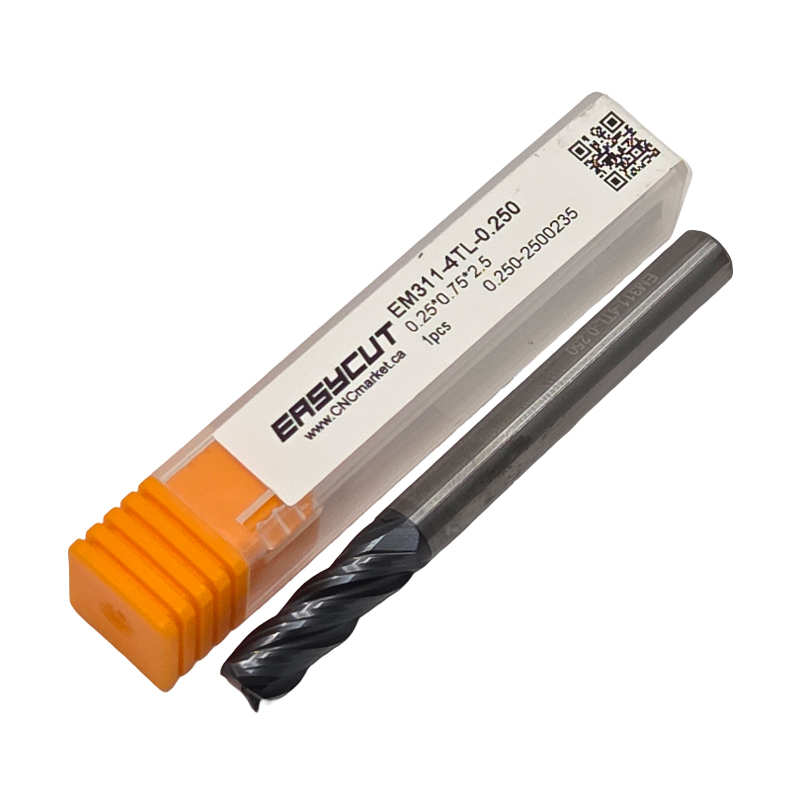

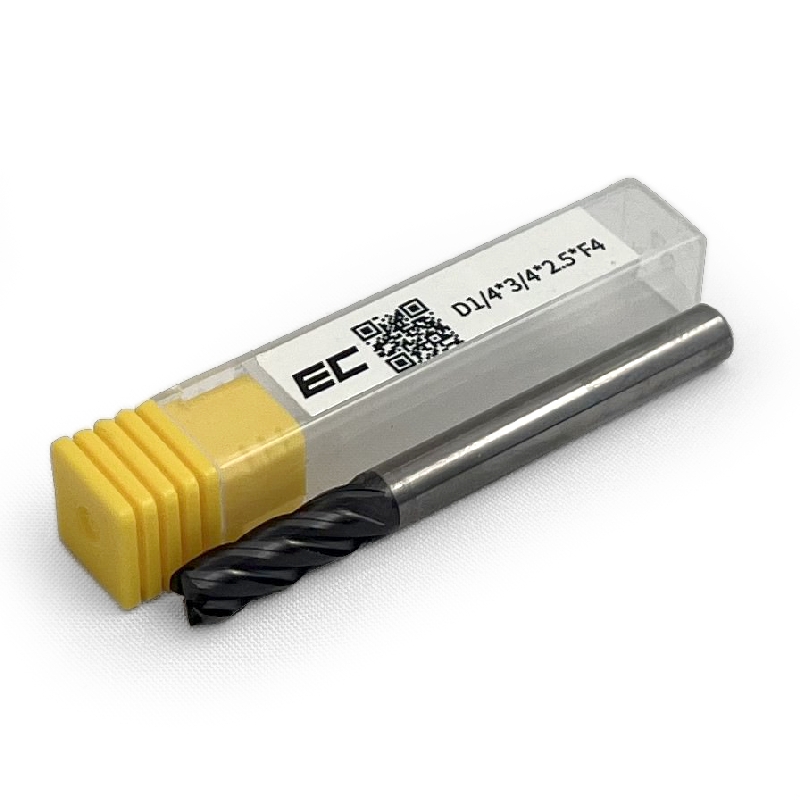
1/4" Carbide Square End Mill, 4 flutes, 0.75" LOC, AlCrN Coated
80137776Out of stock
CA$15.25
excl. taxes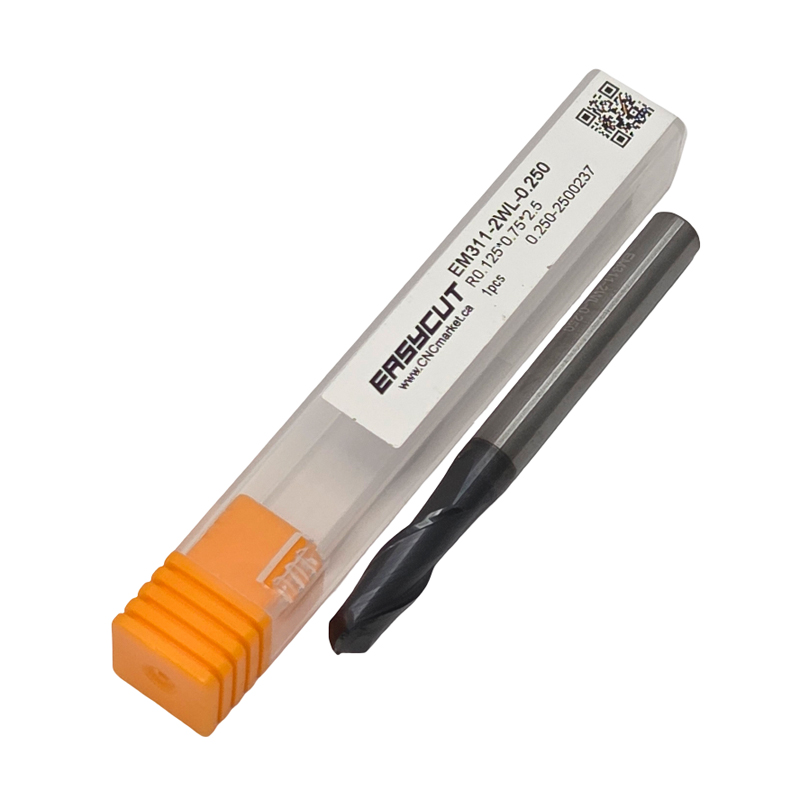

1/4" Carbide Ball Nose End Mill, 2 flutes, 0.75" LOC, AlCrN Coated
80137743Out of stock
CA$16.28
excl. taxes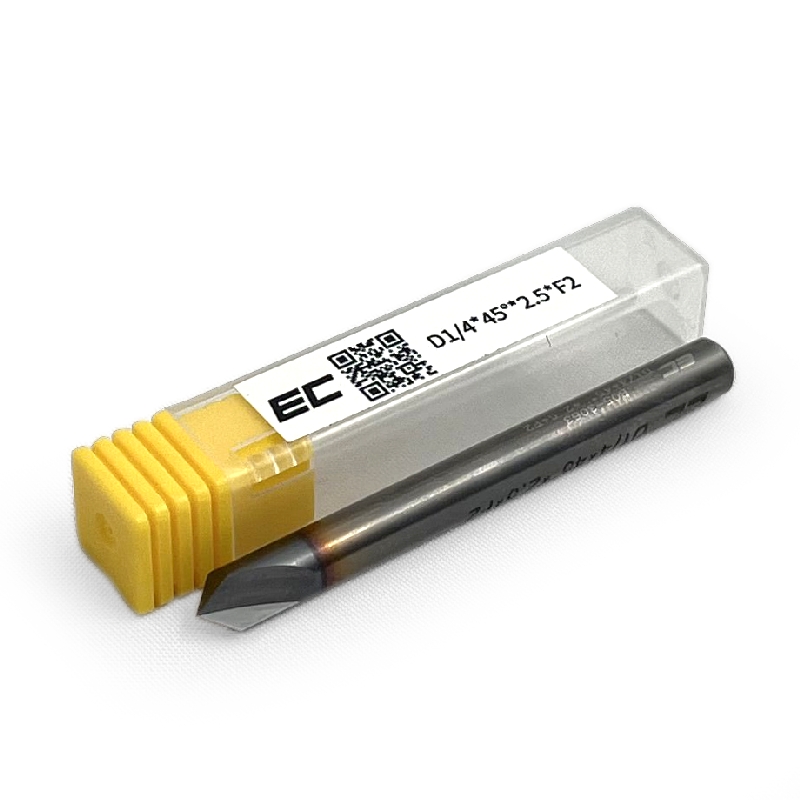

1/4 Carbide Chamfer Mill, 0.25 shank x 0.125 LOC, 2.5 Overall Length, 2 Flute, Chamfer 45°, TiCN Coated
B05-3063Out of stock
CA$19.30
excl. taxes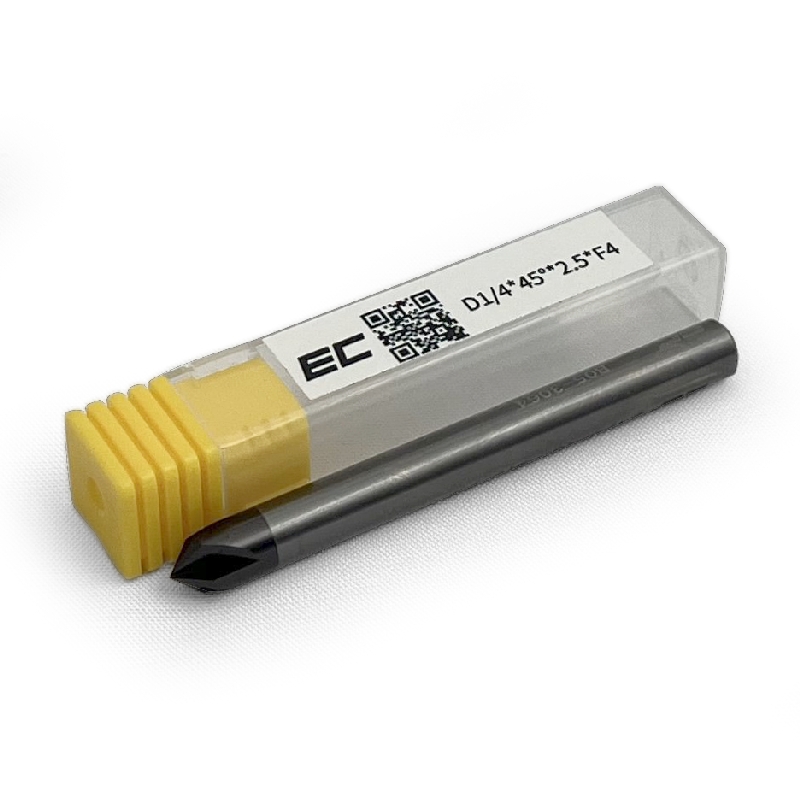

1/4 Carbide Chamfer Mill, 0.25 shank x 1/125" LOC, 2.5" Overall Length, 4 Flute, Chamfer 45°, TiCN Coated
B05-3064Out of stock
CA$19.30
excl. taxes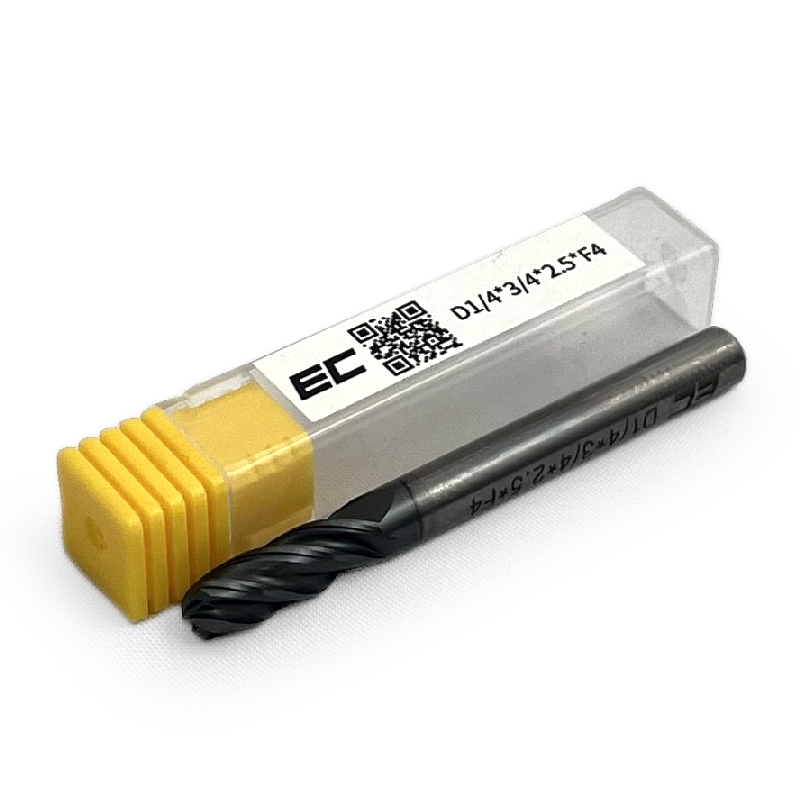

1/4 Carbide Ball End Mill, 4 flute, Hybrid AlCrN Coated, 0.25 shank x 0.75 LOC, helix angle 35/37
A06-2063Out of stock
CA$23.44
excl. taxes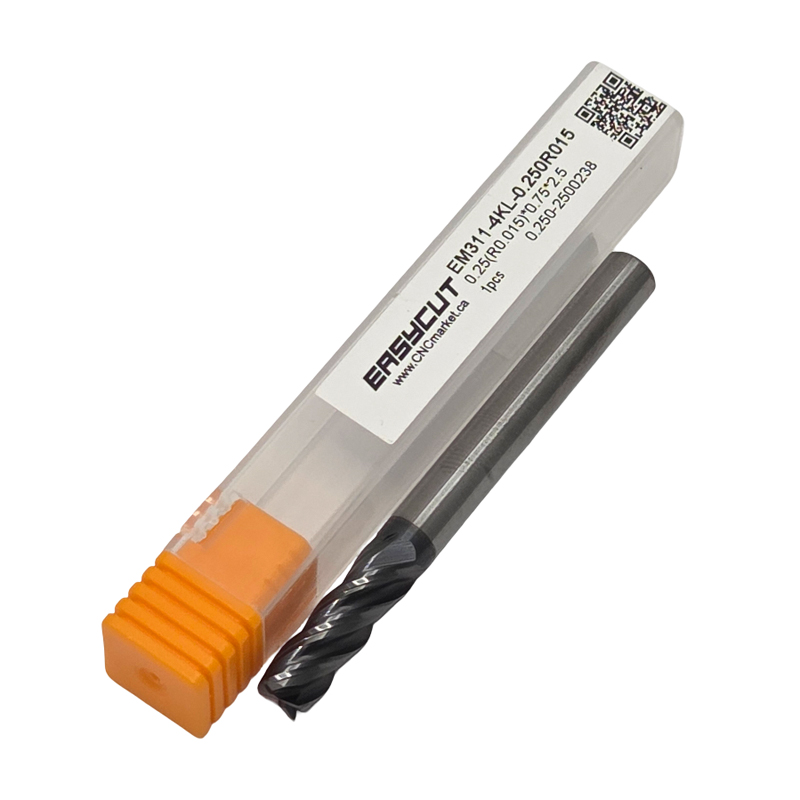

1/4" Carbide End Mill, 4 flutes, Bull Nose - R0.015", 0.75" LOC, AlCrN Coated
80137756Out of stock
CA$32.15
excl. taxes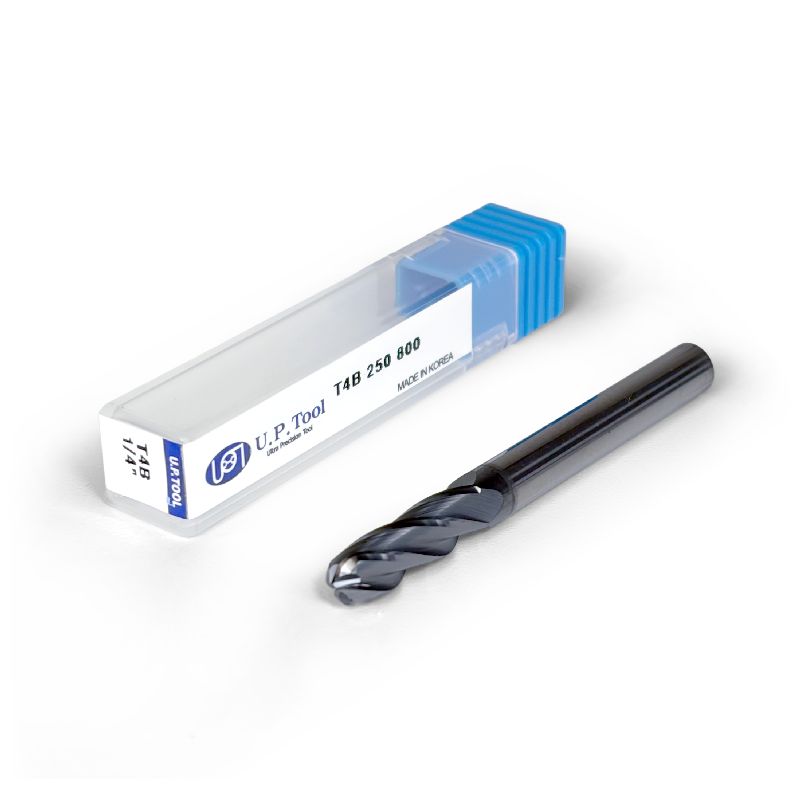

1/4" Carbide Ball Nose End Mill, 4 flutes, 0.8" LOC, AlCrN Coated
T4B-250-800Made to order
CA$32.70
excl. taxes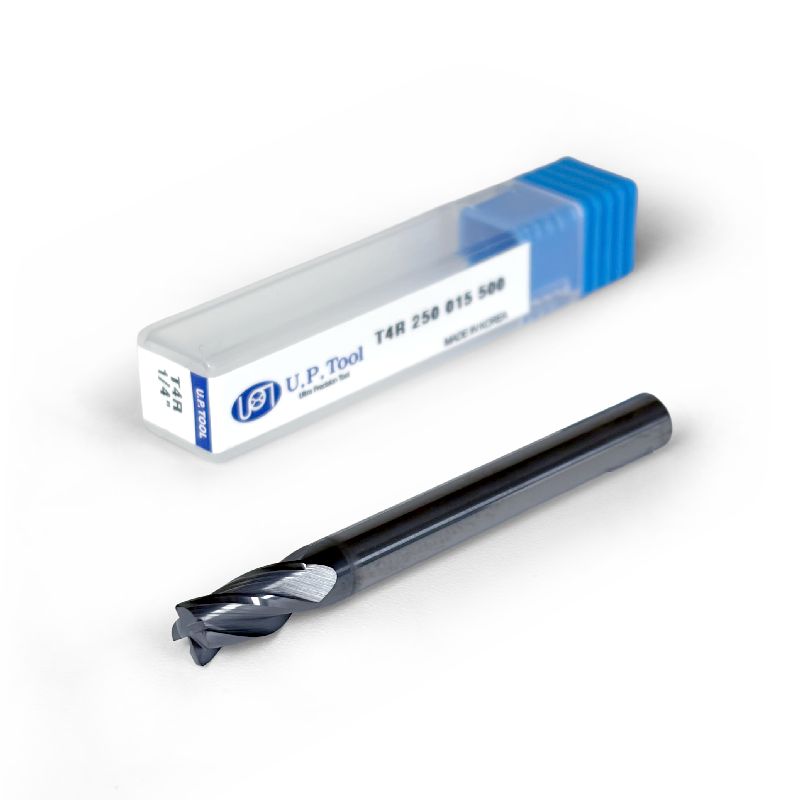

1/4" Carbide End Mill, 4 flutes, Bull Nose - R0.015", 0.5" LOC, AlCrN Coated
T4R-250-015-500Made to order
CA$32.70
excl. taxes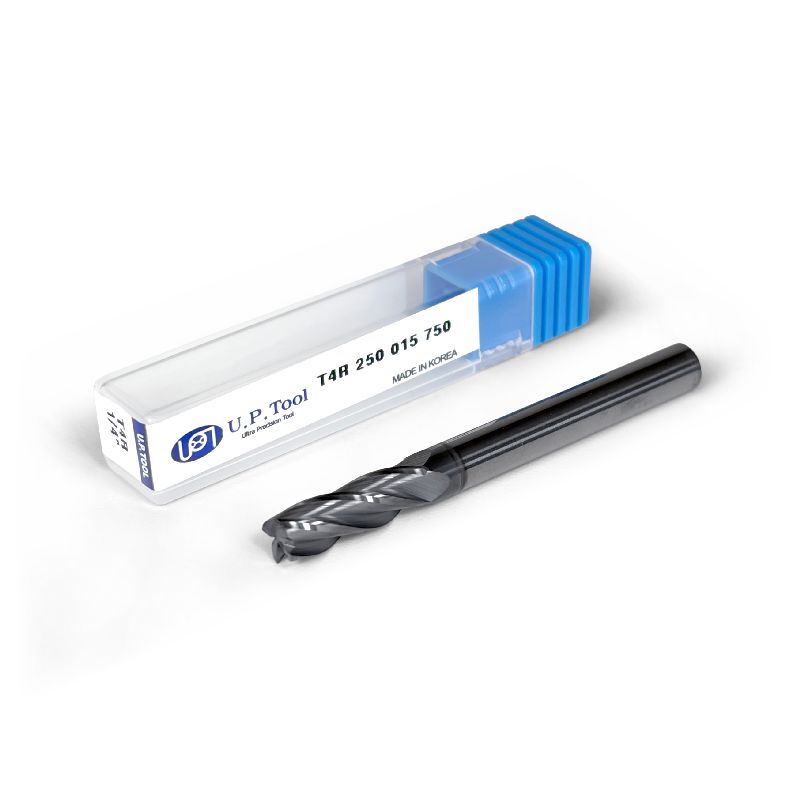

1/4" Carbide End Mill, 4 flutes, Bull Nose - R0.015", 0.75" LOC, AlCrN Coated
T4R-250-015-750Made to order
CA$32.70
excl. taxes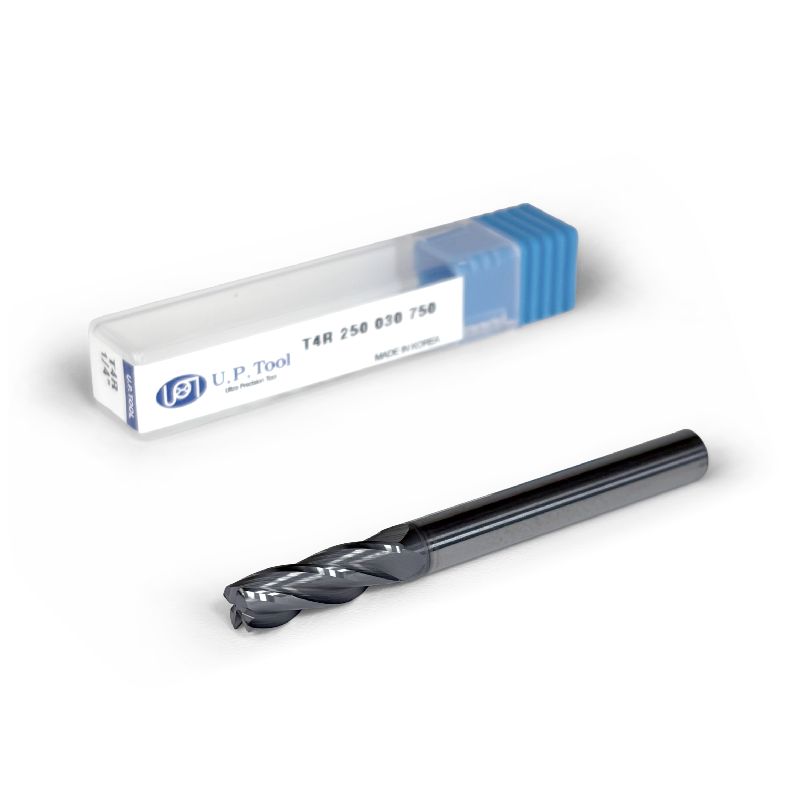

1/4" Carbide End Mill, 4 flutes, Bull Nose - R0.03", 0.75" LOC, AlCrN Coated
T4R-250-030-750Made to order
CA$32.70
excl. taxes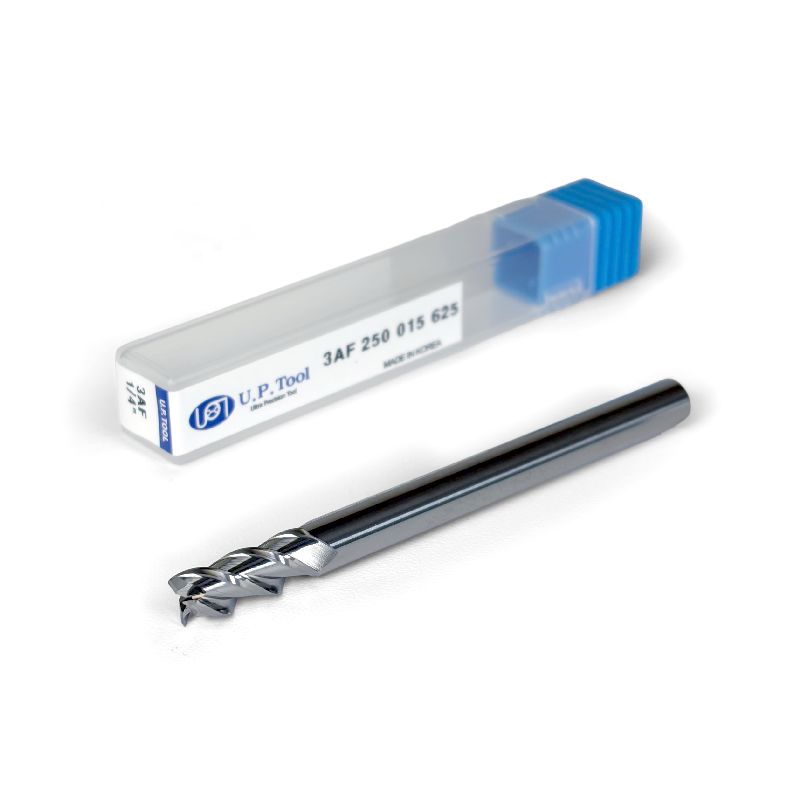

1/4" Carbide End Mill, 3 flutes, Bull Nose - R0.015", 0.625" LOC, Uncoated
3AF-250-015-625Made to order
CA$32.98
excl. taxes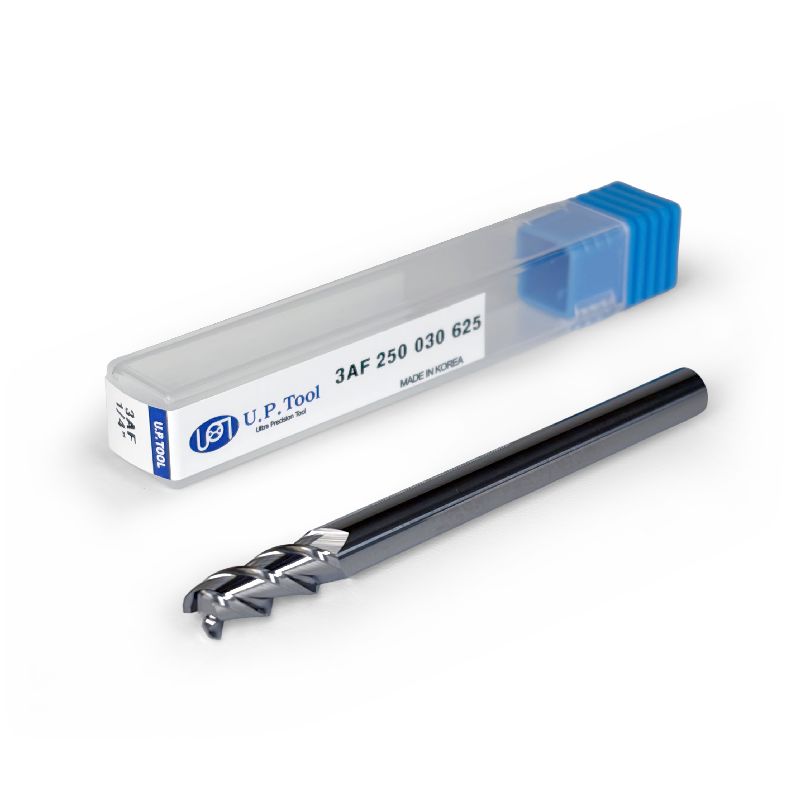

1/4" Carbide End Mill, 3 flutes, Bull Nose - R0.03", 0.625" LOC, Uncoated
3AF-250-030-625Made to order
CA$32.98
excl. taxes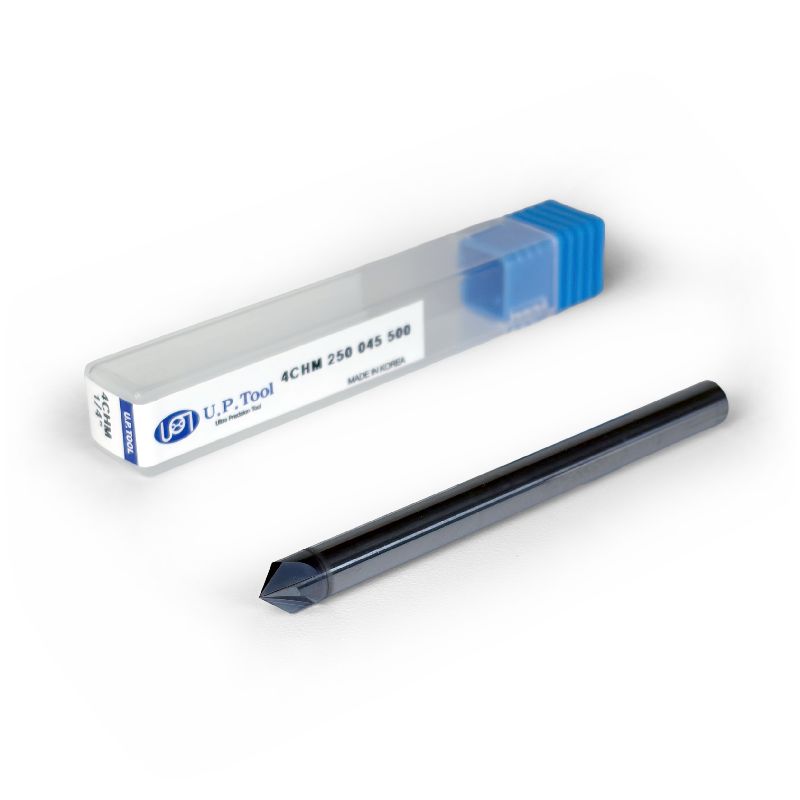

1/4" Carbide Chamfer Mill, 4 flutes, 45°, 0.5" LOC, Uncoated
4CHM-250-045-500Made to order
CA$34.55
excl. taxes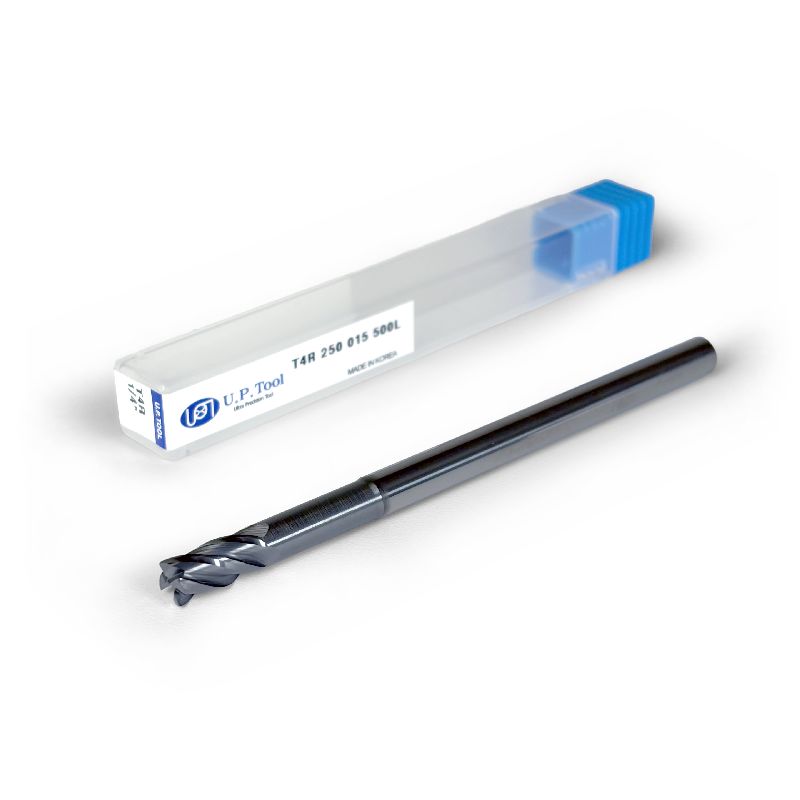

1/4" Carbide End Mill, 4 flutes, Bull Nose - R0.015", 0.5" LOC, AlCrN Coated, Extended Neck
T4R-250-015-500LMade to order
CA$46.83
excl. taxes