

Collets

ER collets, stocked in Canada. ER16, ER25 and ER32 in metric and inch sizes, sold individually or as sets — prices and stock on every product page, order without asking for a quote.
One collet covers one millimetre. An ER collet is named for its largest size and closes about 1 mm (0.039") below it — a 10 mm collet holds 10 to 9 mm, a 1/4" collet holds 0.250" to 0.211". Clamping a shank well under that range bends the collet permanently, and from then on it holds every tool off centre.
Individual collets and inch sets run 0.01 mm TIR; the metric sets are the high-precision 0.005 mm version.
Popular filters:
Total found: 20


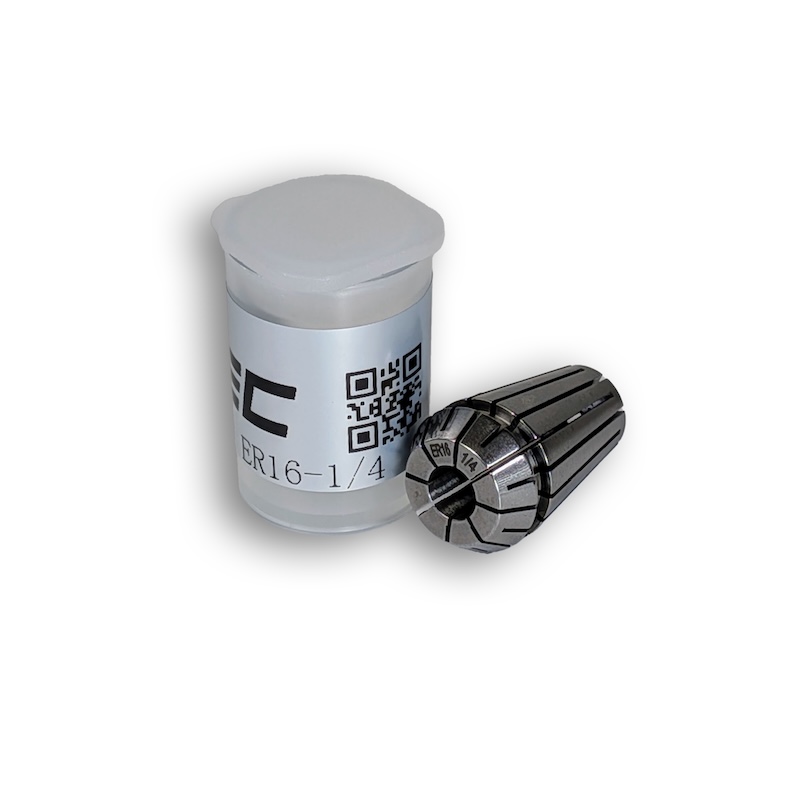

1/4" ER16 Collet, clamping range 0.250" - 0.211", Runout 0.01 mm
ER16-1-4iMade to order
CA$7.07
excl. taxes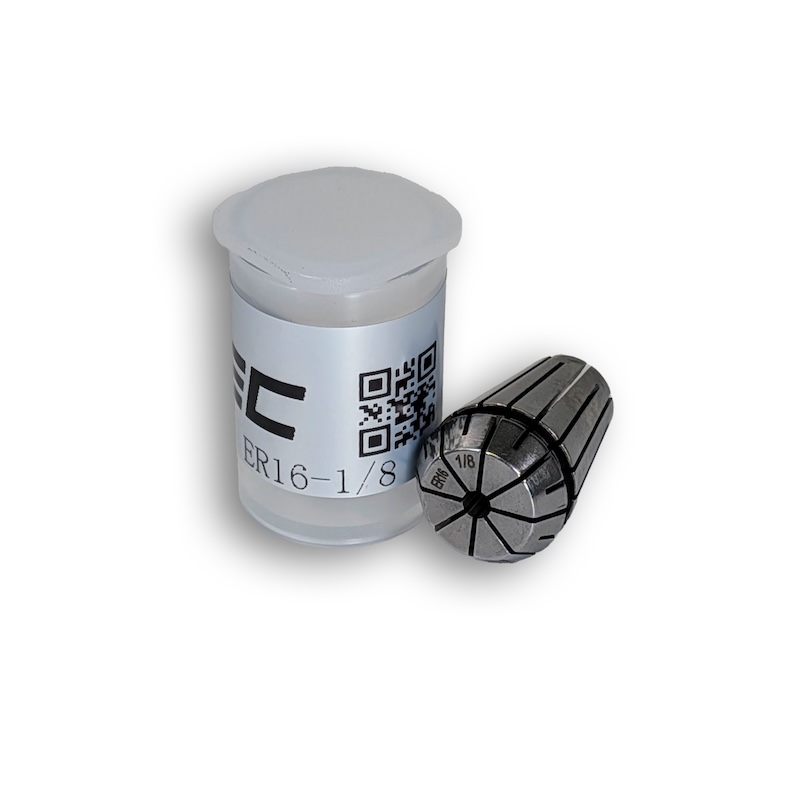

1/8" ER16 Collet, clamping range 0.125" - 0.086", Runout 0.01 mm
ER16-1-8iMade to order
CA$7.48
excl. taxes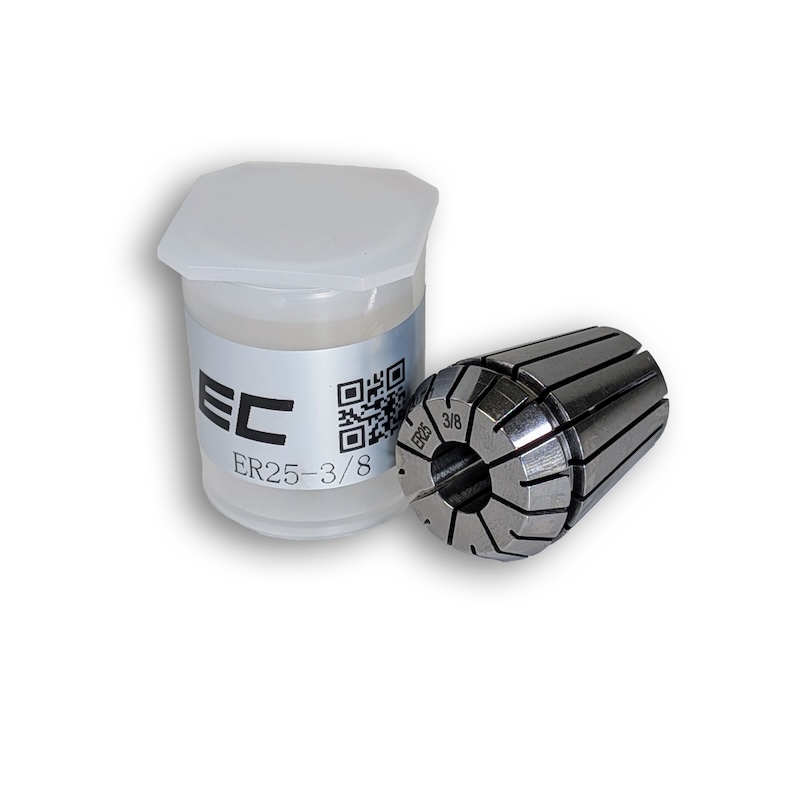

3/8" ER25 Collet, clamping range 0.375" - 0.336", Runout 0.01 mm
ER25-3-8iMade to order
CA$9.16
excl. taxes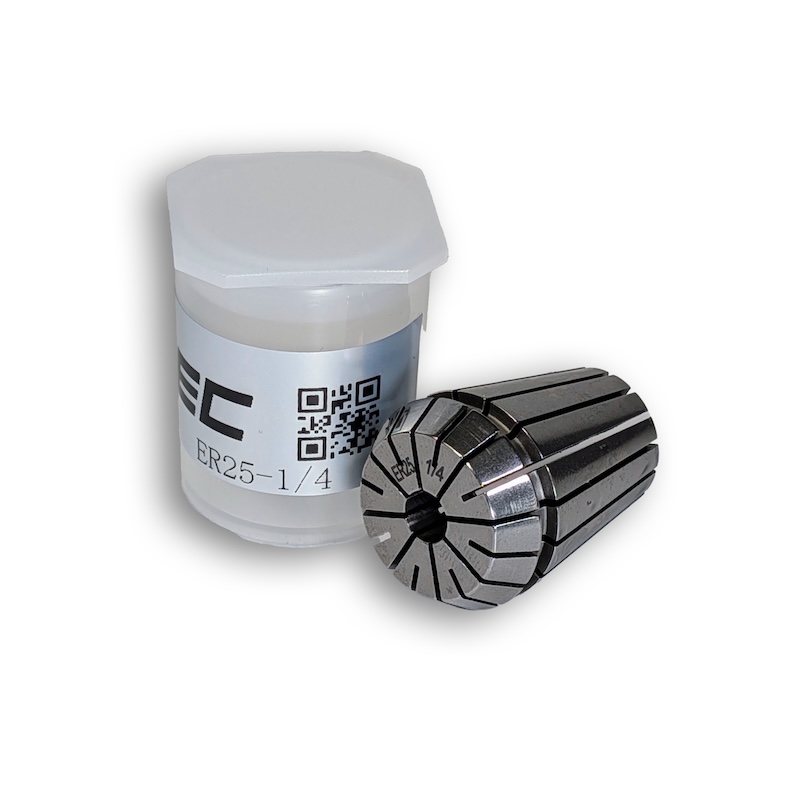

1/4" ER25 Collet, clamping range 0.250" - 0.211", Runout 0.01 mm
ER25-1-4iMade to order
CA$9.59
excl. taxes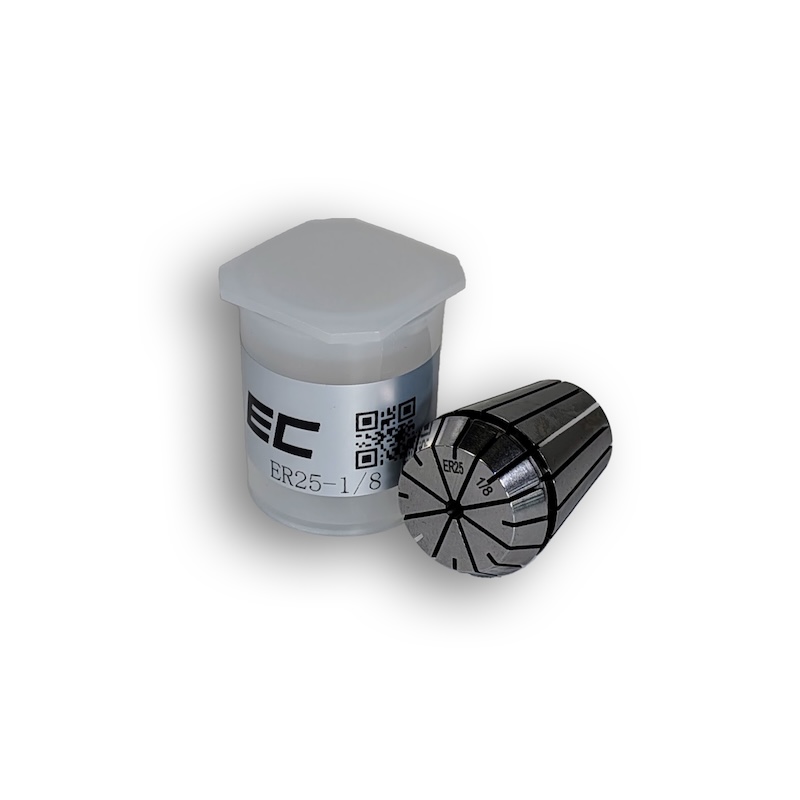

1/8" ER25 Collet, clamping range 0.125" - 0.086", Runout 0.01 mm
ER25-1-8iMade to order
CA$9.59
excl. taxes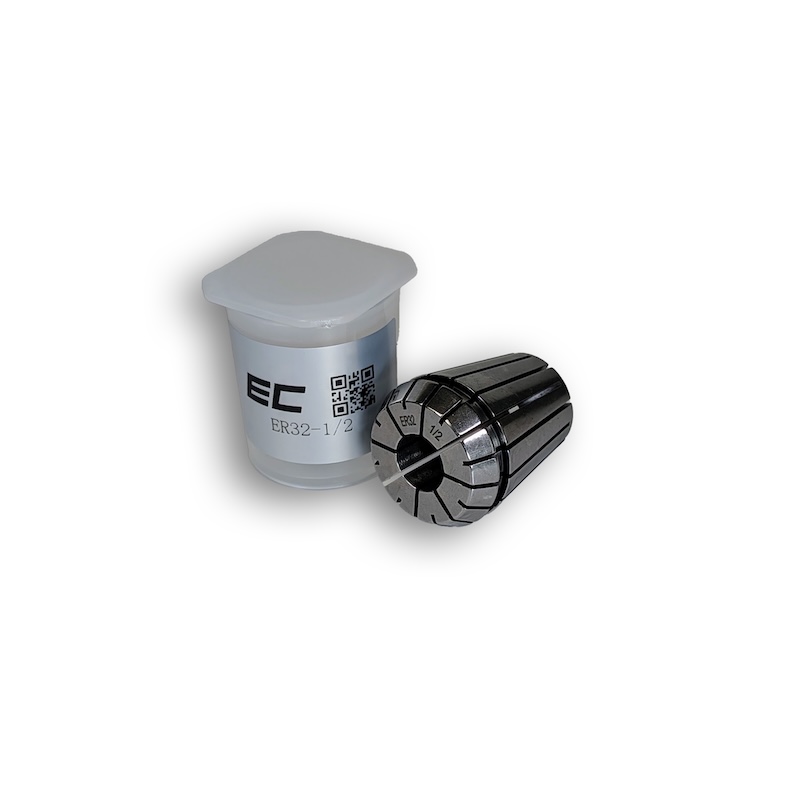

1/2" ER32 Collet, clamping range 0.500" - 0.461", Runout 0.01 mm
ER32-1-2iMade to order
CA$13.29
excl. taxes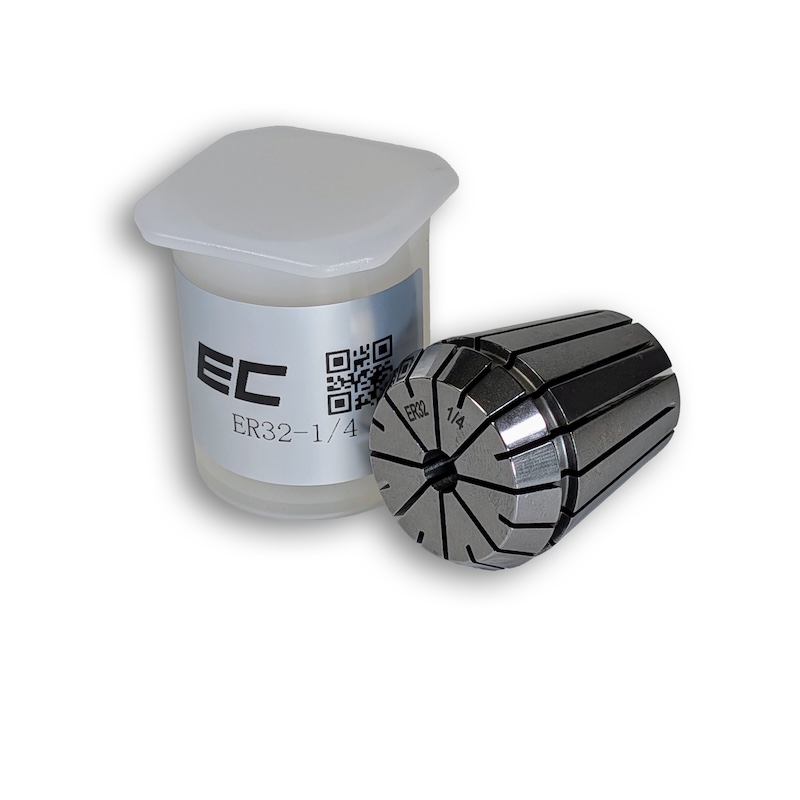

1/4" ER32 Collet, clamping range 0.250" - 0.211", Runout 0.01 mm
ER32-1-4iMade to order
CA$13.68
excl. taxes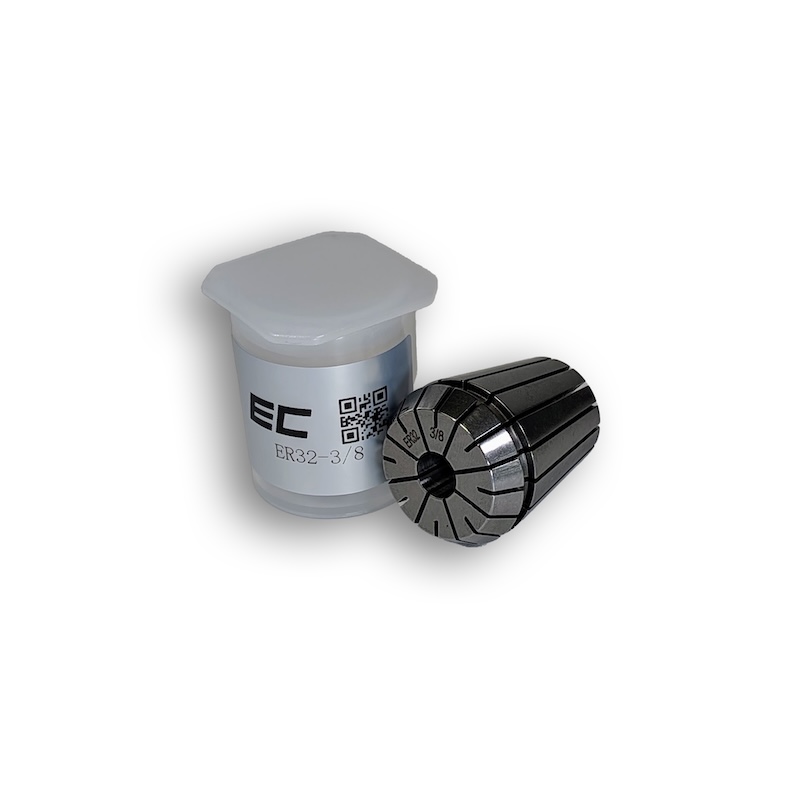

3/8" ER32 Collet, clamping range 0.375" - 0.336", Runout 0.01 mm
ER32-3-8iMade to order
CA$13.68
excl. taxes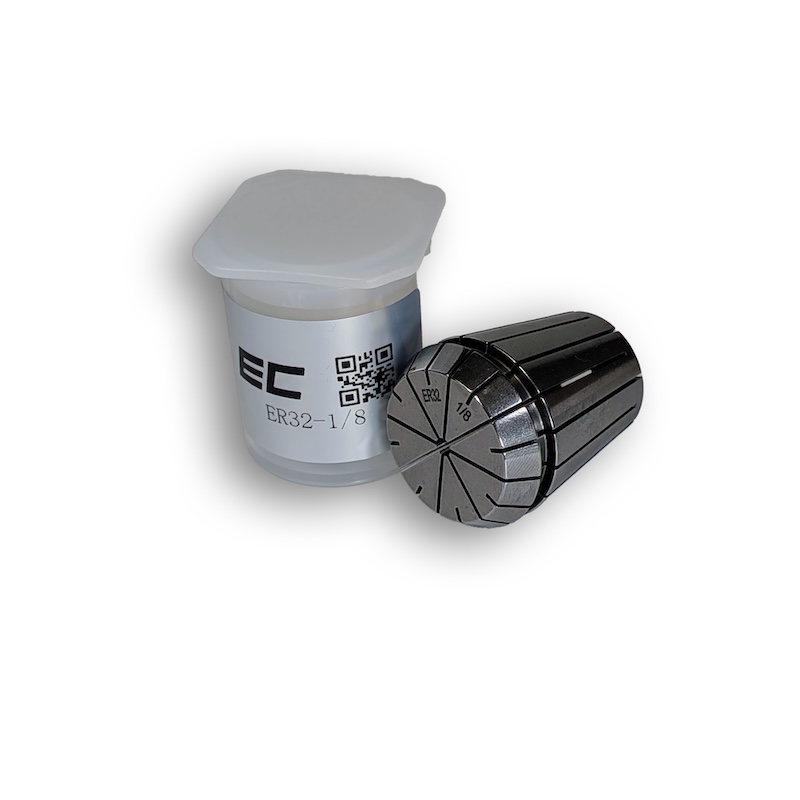

1/8" ER32 Collet, clamping range 0.125" - 0.086", Runout 0.01 mm
ER32-1-8iMade to order
CA$14.09
excl. taxes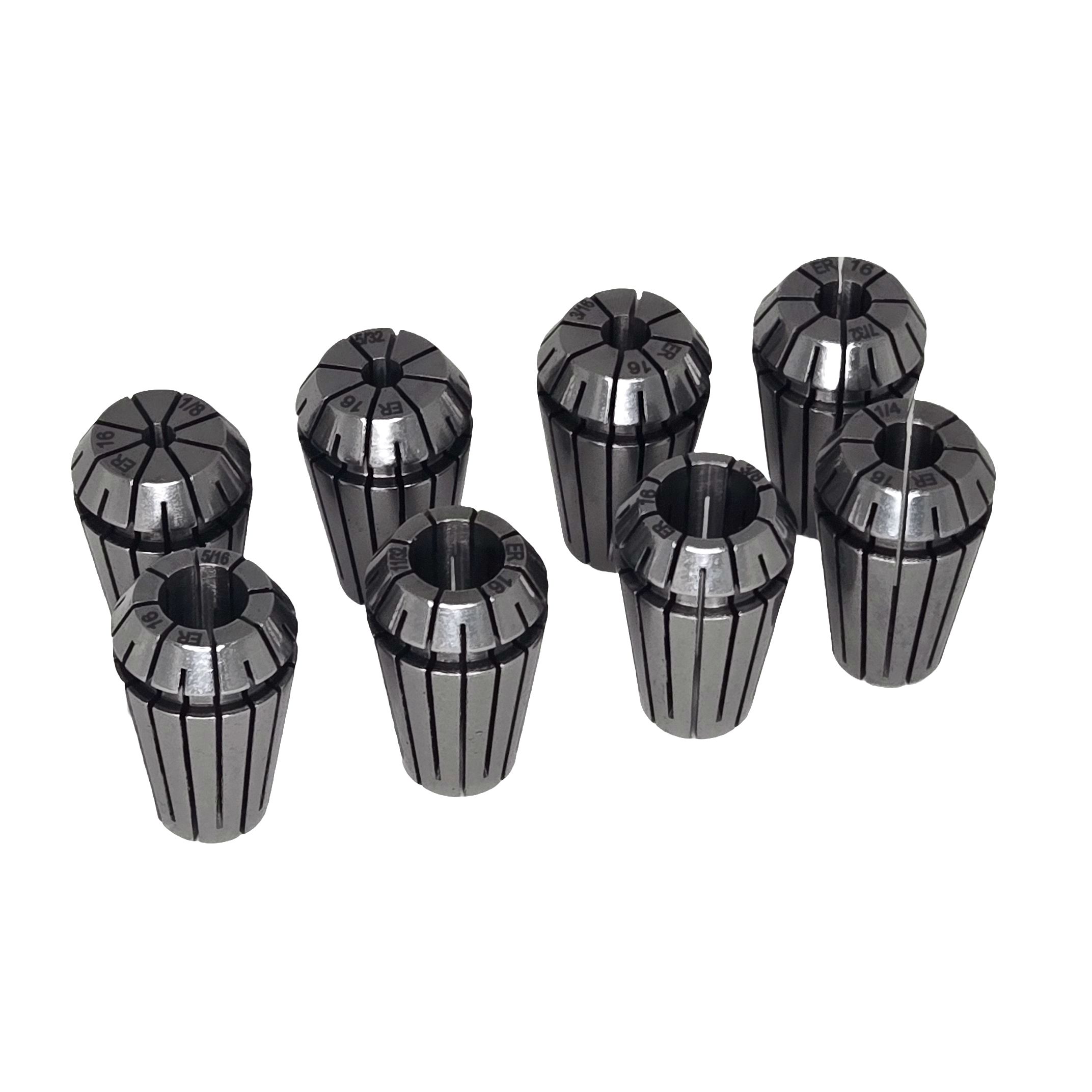

ER16 Inch Collet Kit, clamping range ø1/8" - 3/8", 8 pcs, Runout 0.01 mm
ER16KIT8iMade to order
CA$78.95
excl. taxes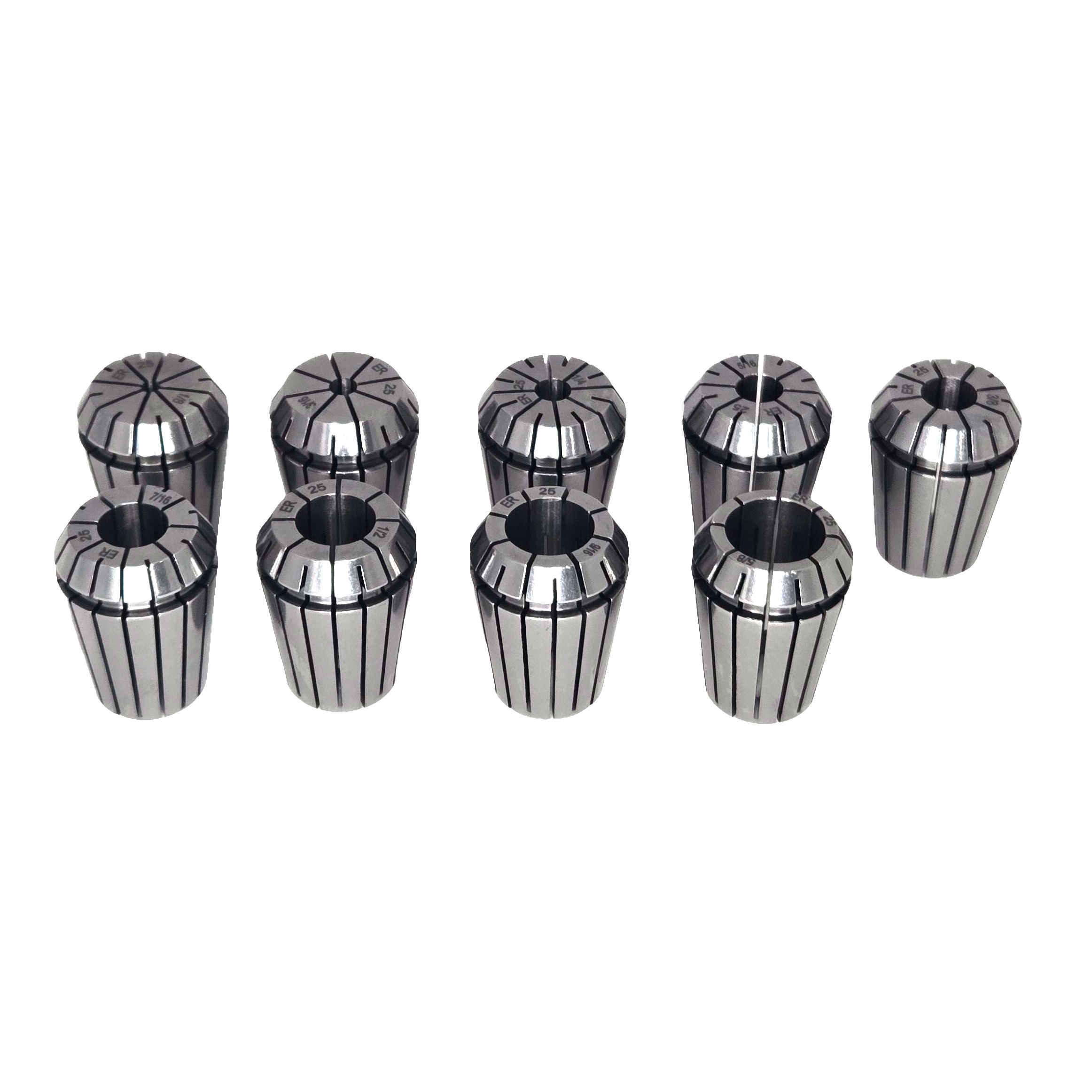

ER25 Inch Collet Kit, clamping range ø1/8" - 5/8", 9 pcs, Runout 0.01 mm
ER25KIT9iMade to order
CA$103.73
excl. taxes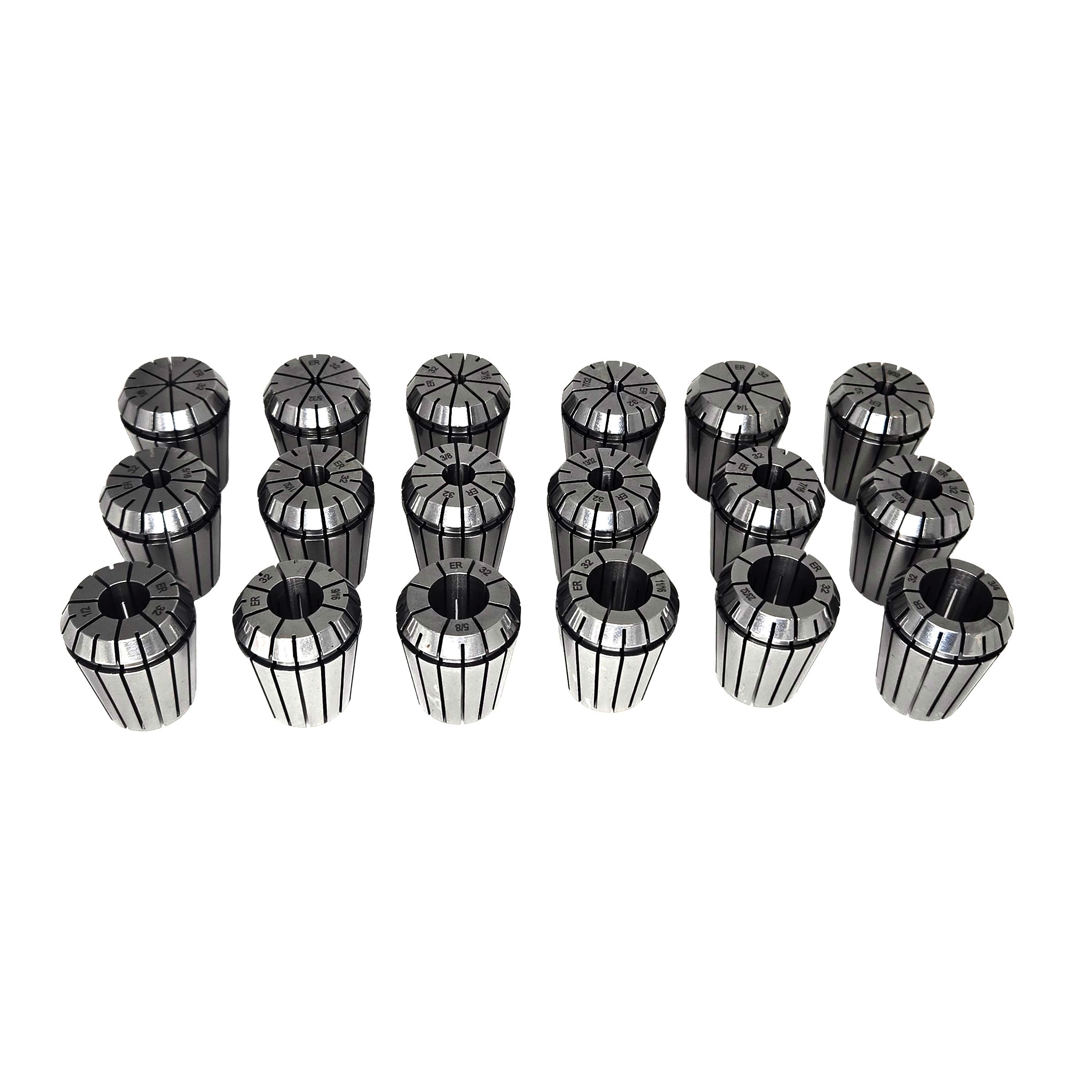

ER32 Inch Collet Kit, clamping range ø1/8" - 3/4", 18 pcs, Runout 0.01 mm
ER32KIT18iMade to order
CA$226.06
excl. taxes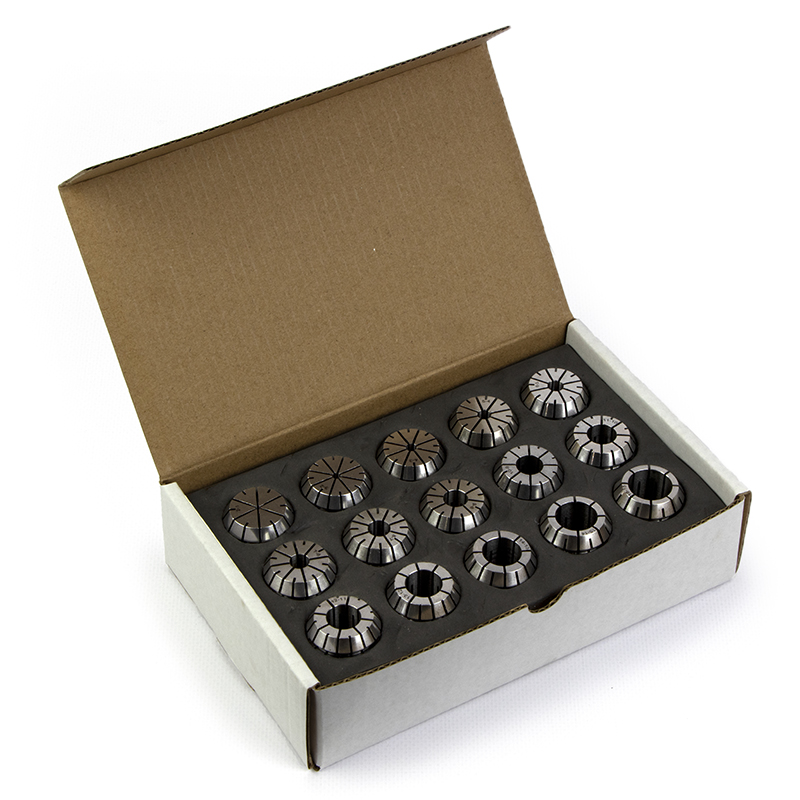

ER25 Collet Kit, clamping range ø2 - 16 mm, 15 pcs, Runout 0.005 mm
ER25KIT15PMade to order
CA$254.97
excl. taxes
