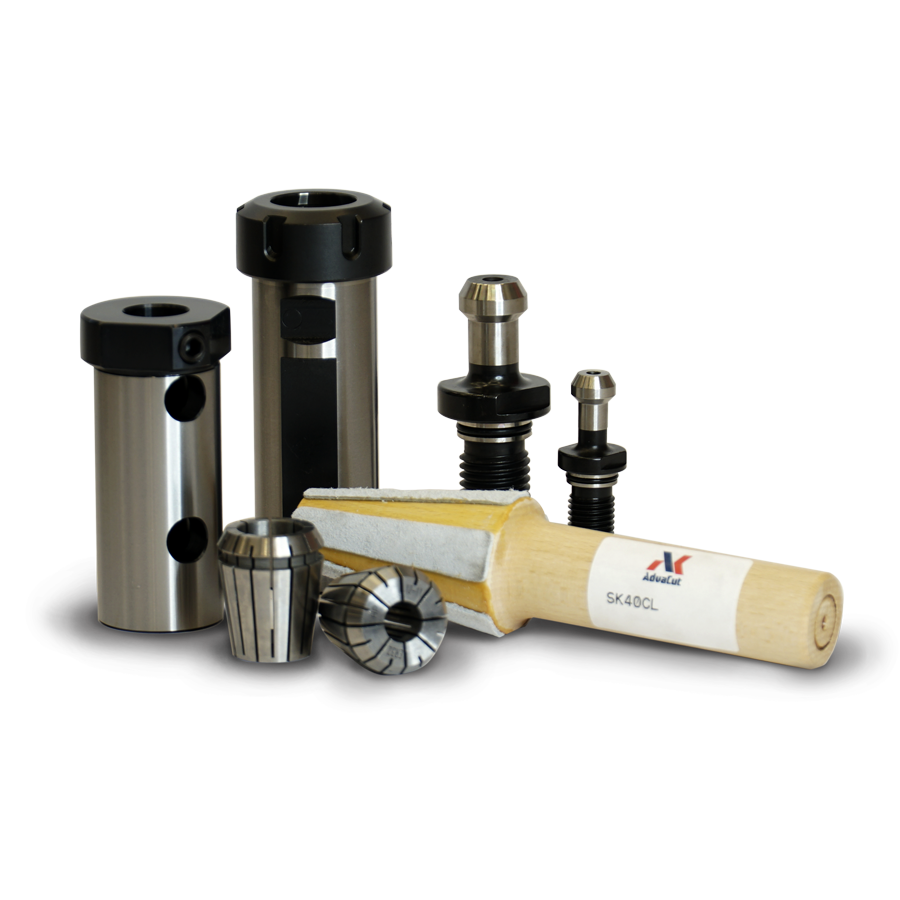
Tooling accessories, stocked in Canada. The small parts between the machine, the holder and the cutting tool — collets, bushings and sleeves, adapters, pull studs and wrenches. Prices and stock on every product page, order without asking for a quote.
None of them cut metal, and none of them are optional. A collet chuck without collets holds nothing; a taper holder without a pull stud will not stay in the spindle. They are the pieces that complete an assembly you have already paid for — and the ones a job most often waits on.
What you need is decided by the holder and the machine you already own, not by the cutting tool.
The small parts that sit between the machine, the holder and the cutting tool. None of them cut metal. All of them decide whether the parts that do can work at all.
A collet chuck without collets holds nothing. A taper holder without a pull stud will not stay in the spindle. A boring bar two sizes under the holder bore needs a sleeve or it does not go in. A plain round holder will not take a 3 mm drill until something turns that bore into a collet system. These are not upgrades — they are the pieces that complete an assembly you have already paid for.
The cheapest line on the order, and the one that stops the job
Accessories are the smallest numbers on an invoice and a large share of the avoidable downtime behind it.
The pattern is always the same: a machine, a holder and a cutter are all sitting there ready, and the job waits on a ten-dollar part that nobody thought to keep a spare of. Nothing about that failure is technical. It is a stocking decision made months earlier, or not made.
The same logic applies to condition. A worn collet, a stud that has been in service for years, a wrench that rounds off nuts — each is cheap to replace and expensive to keep using, because what they damage is never themselves.
What is in this section
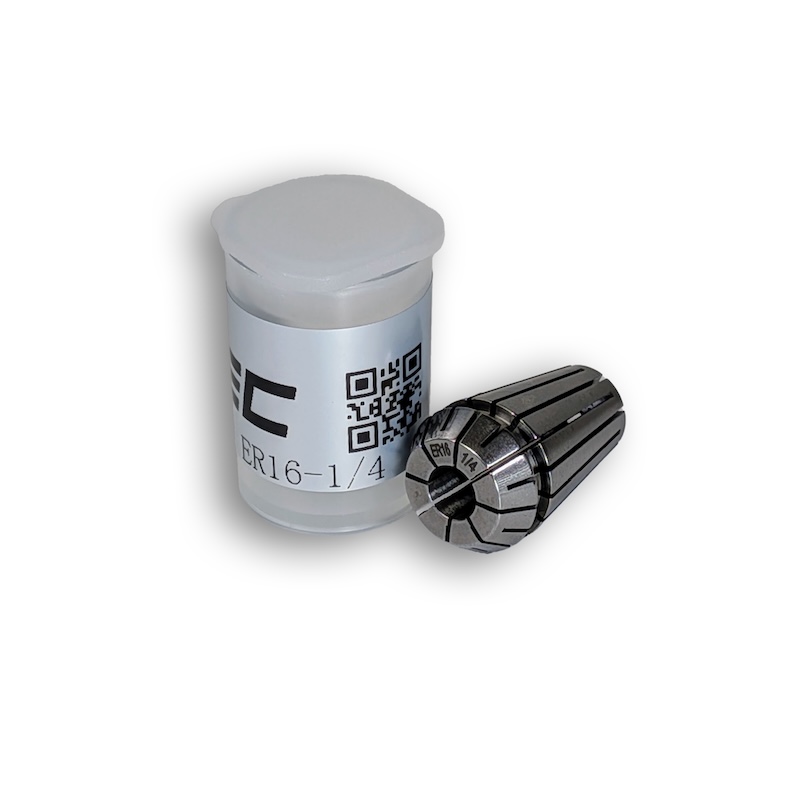
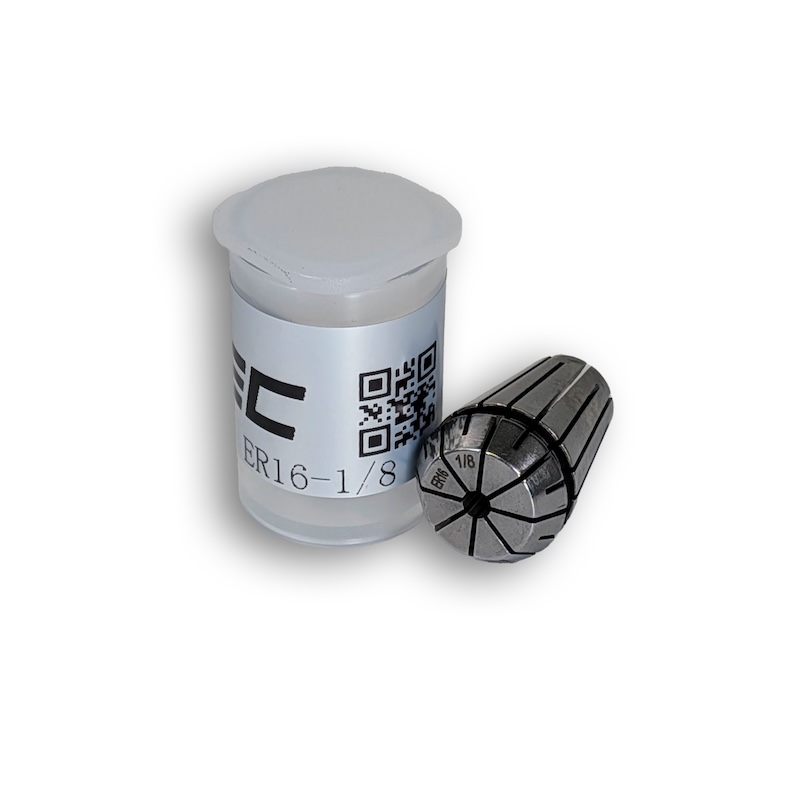
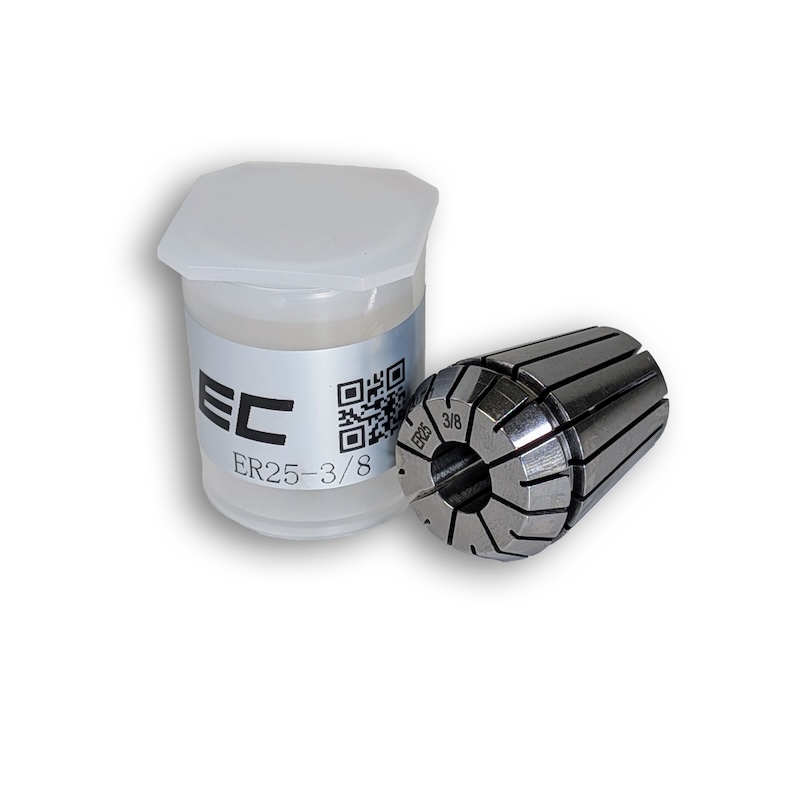
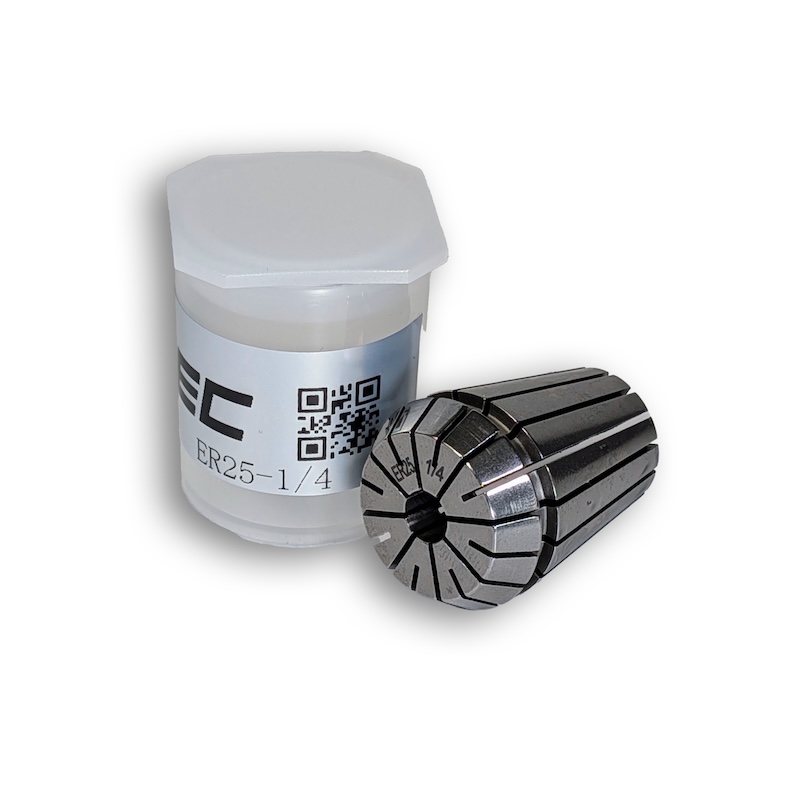
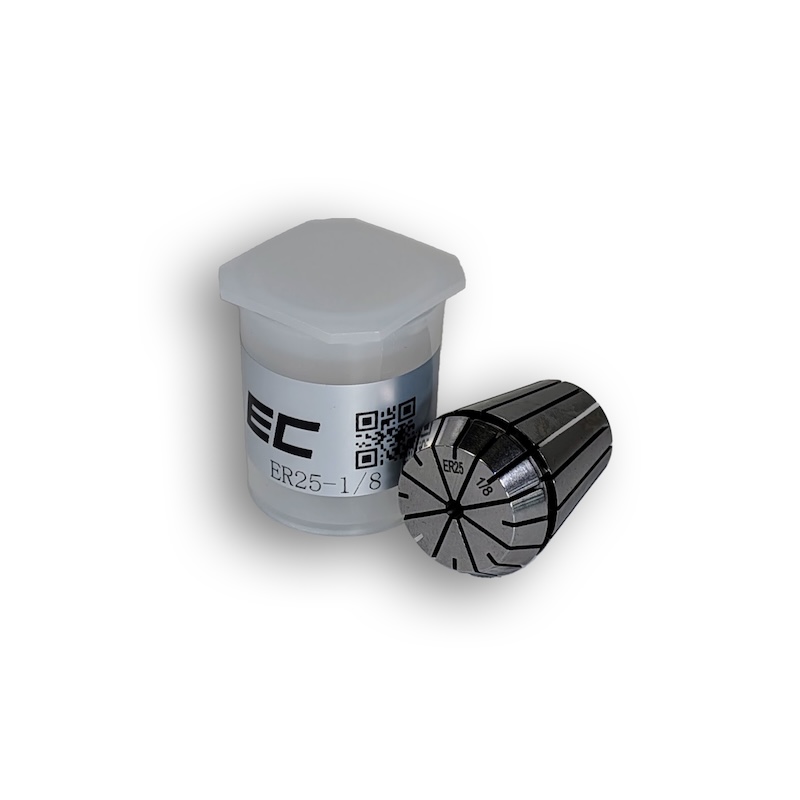
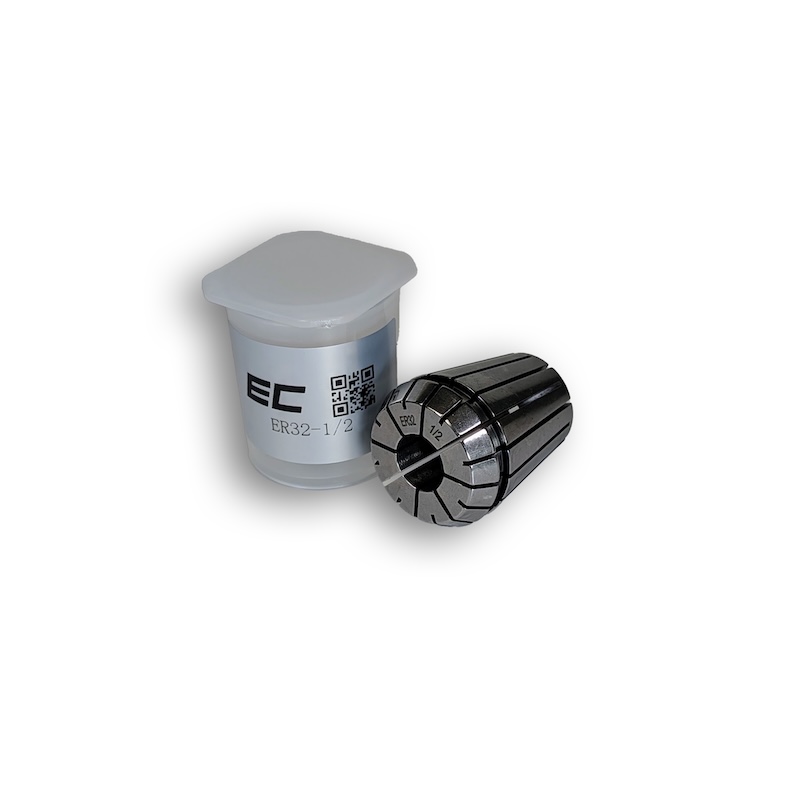
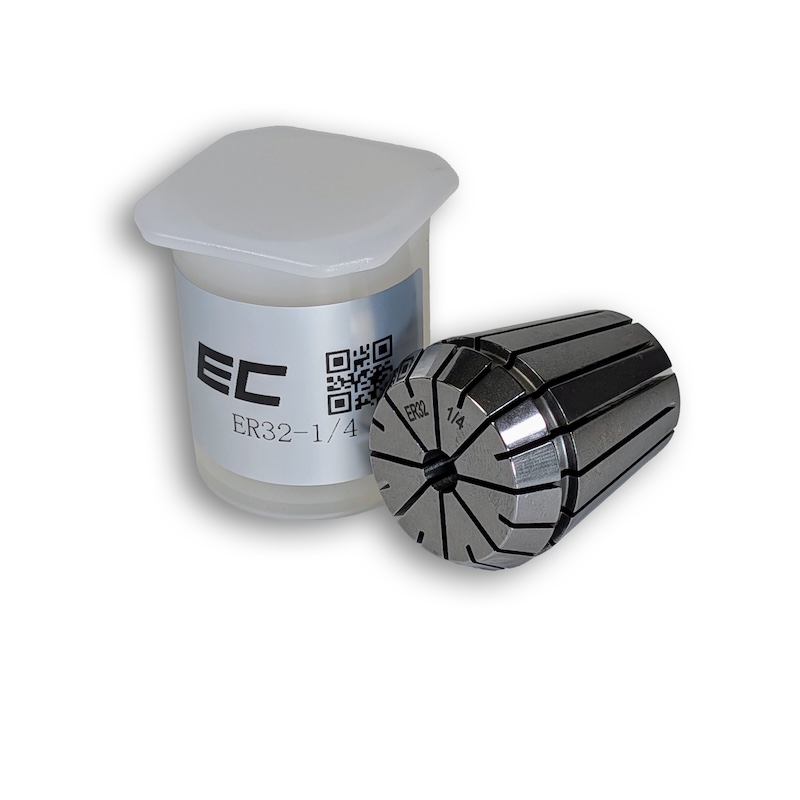
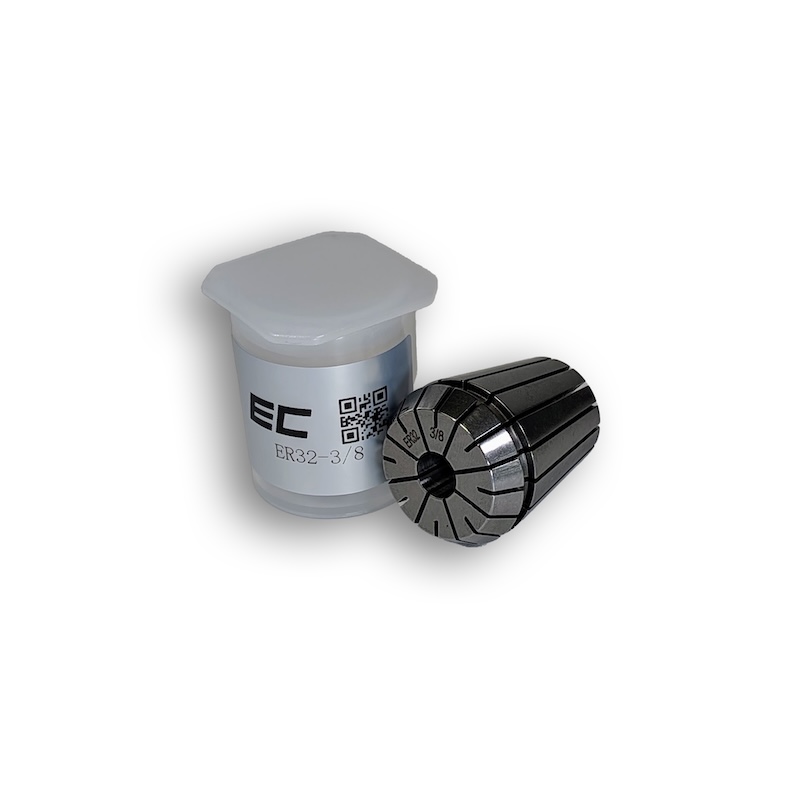
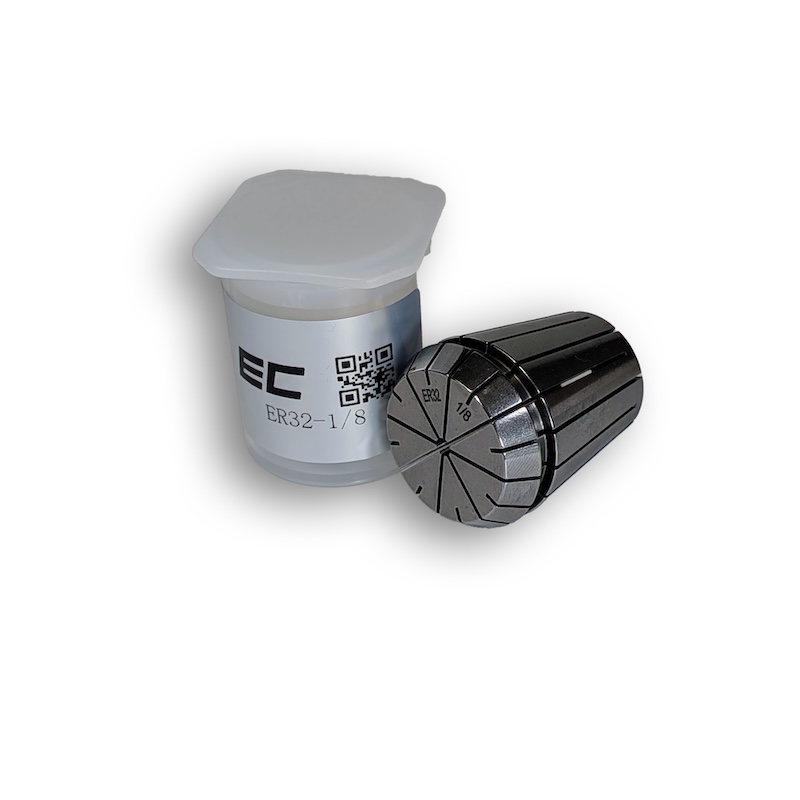
Collets — ER collets and collet sets for collet chucks, in metric and inch sizes, individually or as a set.
Bushings and sleeves — fit a smaller tool shank into a larger holder bore of the same kind.
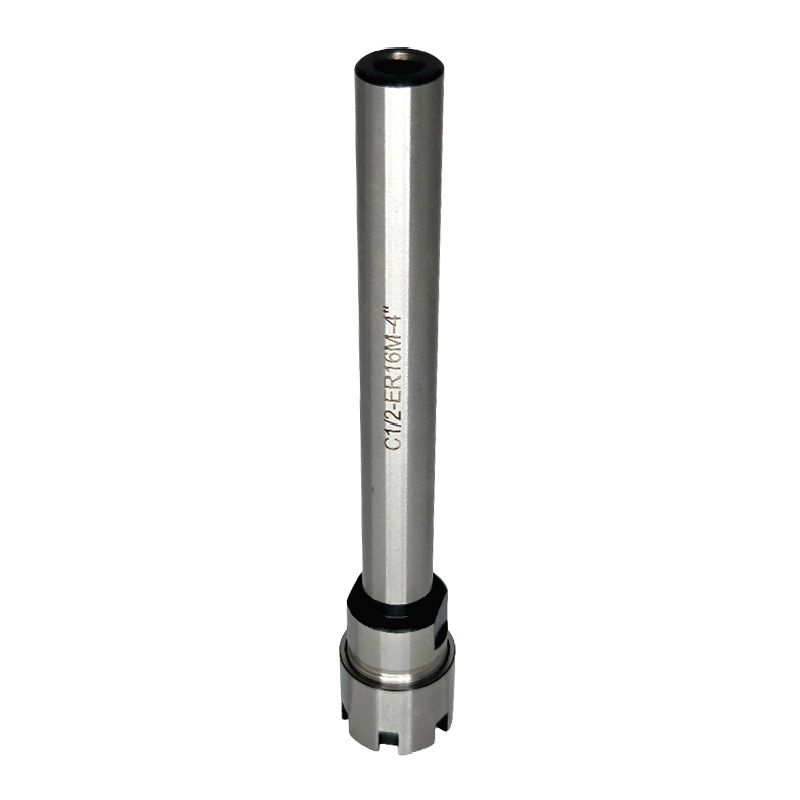
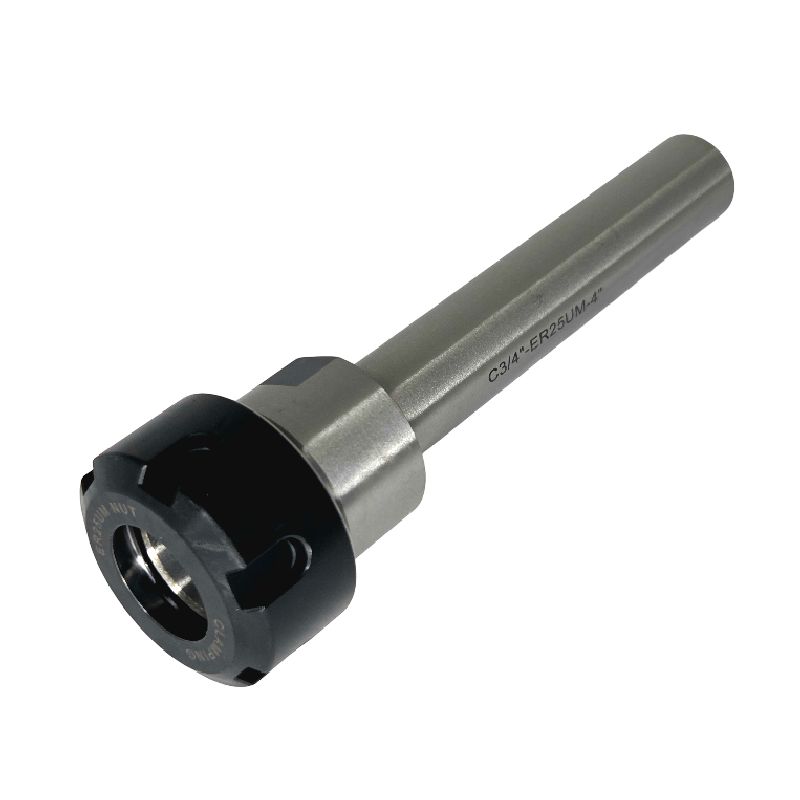
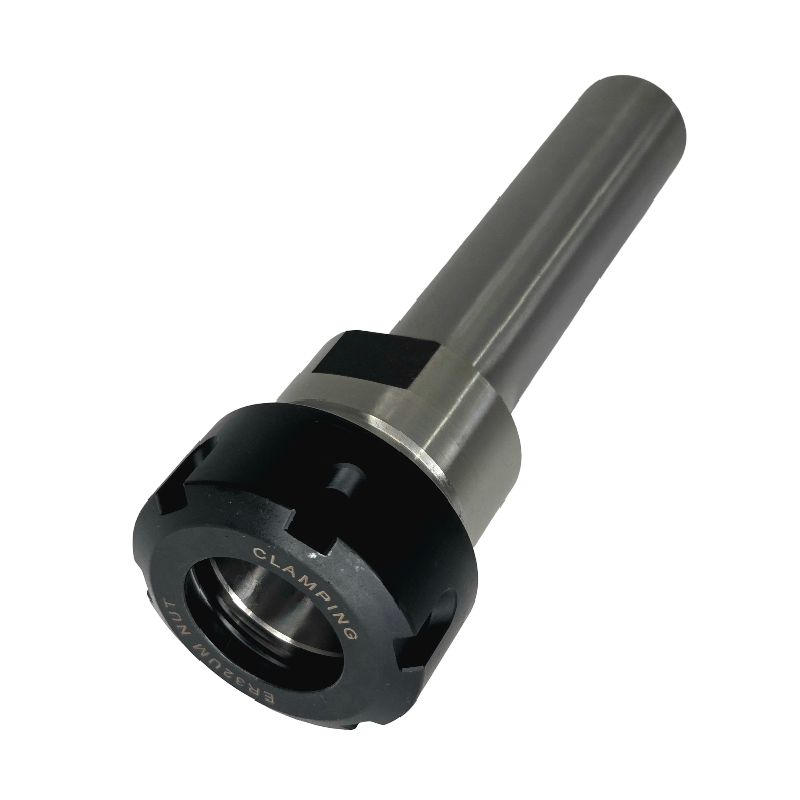
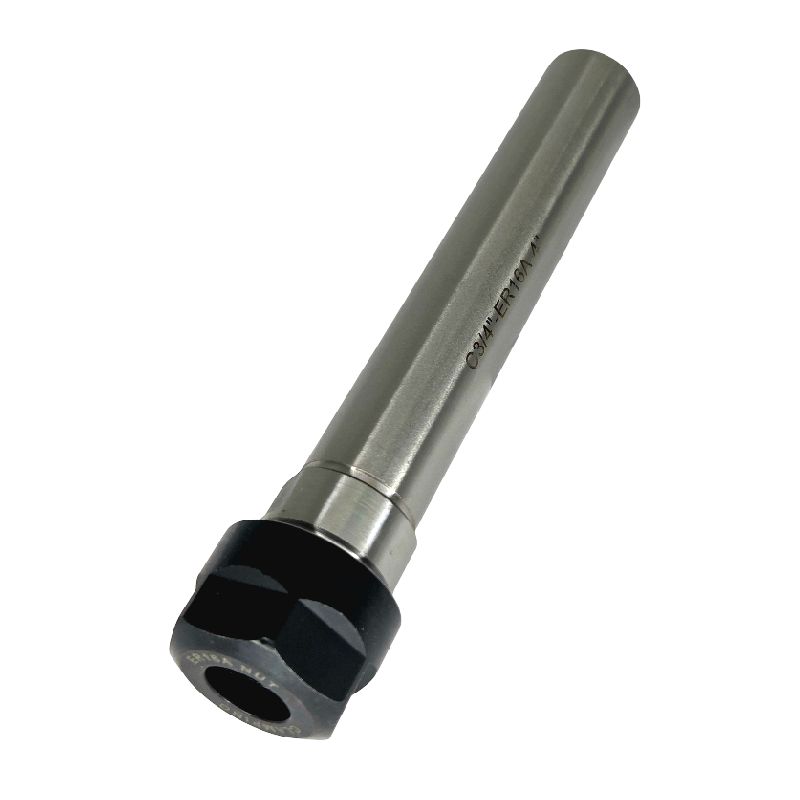
Adapters — change one kind of interface into another: an ER collet chuck on a straight shank, a Morse taper or R8 chuck, a taper-to-taper reducer, a drill chuck arbor.
Pull studs — retention knobs that let the drawbar hold a taper holder in the spindle.
Wrenches — the spanners that tighten collet nuts to the torque they actually need.
The last two get confused, and the difference is worth one line. A sleeve keeps the interface and changes the size — round bore, round shank, one fits inside the other. An adapter changes the interface itself — a plain shank becomes an ER collet system, a Morse taper becomes something a modern tool will fit.
Each section explains how to choose within it. The short version: the accessory is decided by the holder and the machine you already own, not by the cutting tool — so check what you have before ordering.
What is worth keeping on the shelf
Not all of it. Most shops use a handful of sizes constantly and the rest rarely.
Worth doubling up on: the two or three collet sizes that go in the machine every week, a pull stud for every holder plus a few spares, and one wrench per collet series so it lives with the chuck instead of walking off.
Not worth stocking deep: sizes you have used once. Those are an order-when-needed item, and they arrive faster than the argument about whether to have bought them.
Buying accessories from CNCmarket
Prices and stock are on every product page and you can order online without waiting for a quote. Delivery is free across Alberta and we ship anywhere in Canada.
We run our own machine shop in Calgary and use these parts ourselves. Tell us the holder and the machine and we will tell you what completes the set — including when the answer is that you do not need anything.